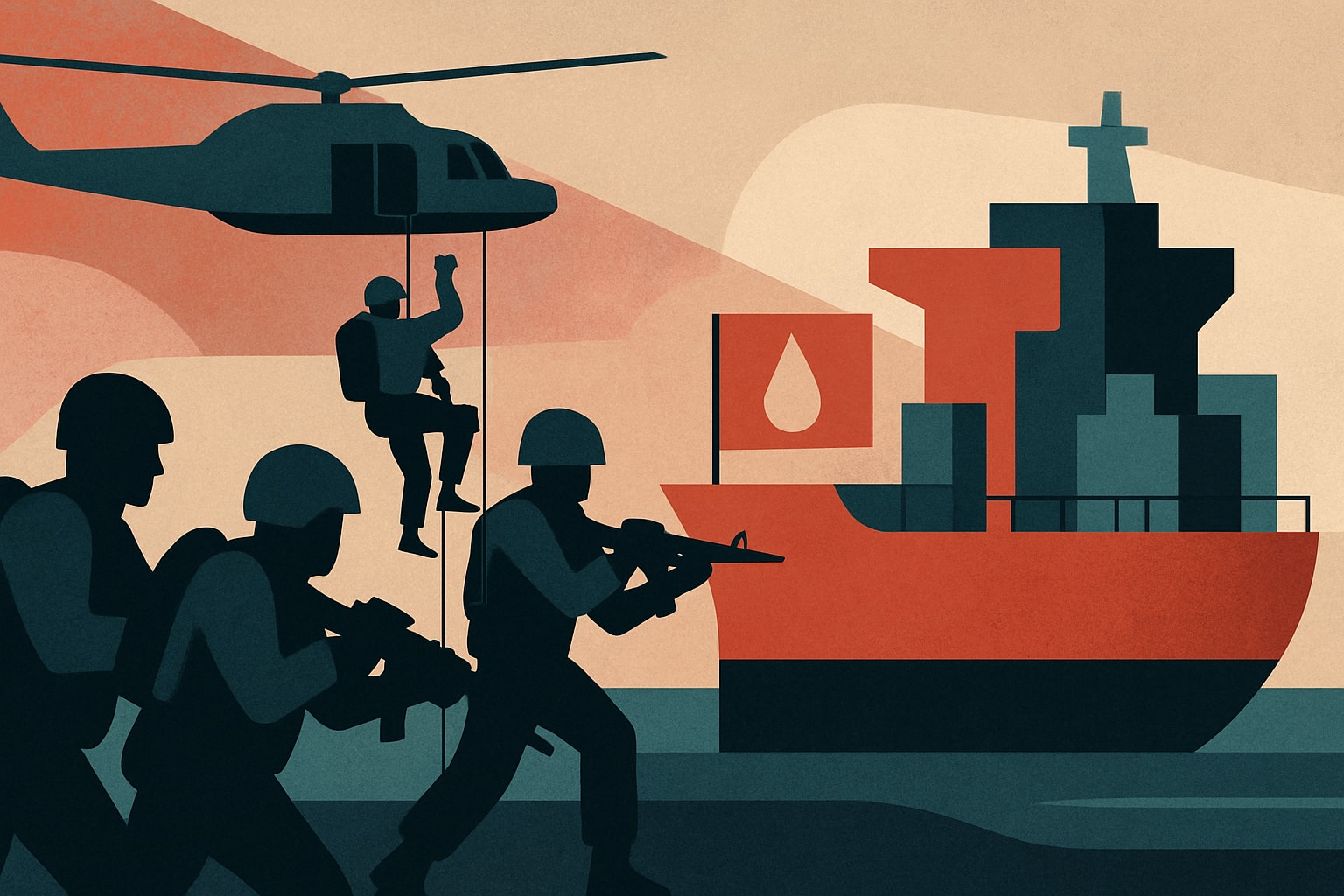
U.S. Marines Board and Redirect Iranian-Flagged Tanker Amid Ongoing Blockade
U.S. military forces have redirected multiple vessels during the Navy blockade of the Strait of Hormuz, impacting regional security dynamics.
What's Happening
- •U.S. Marines have boarded and redirected an Iranian-flagged tanker.
- •The Navy blockade of the Strait of Hormuz has redirected 91 commercial ships.
- •Four vessels have been disabled during the ongoing military operations.
Why It Matters
The U.S. military's actions in the Strait of Hormuz are crucial for maintaining stability in a region vital for global oil supply. For service members and their families, understanding these dynamics is essential for preparedness and awareness of potential impacts on military operations and deployments.
What Changes Now
- •The ongoing blockade may lead to increased operational tempo for Navy and Marine Corps personnel. This means service members should prepare for potential extended deployments and heightened readiness.
- •Service members should expect more frequent updates and briefings regarding mission objectives in the region. Staying informed will be critical for adapting to any changes in operational focus.
- •Families of deployed personnel may experience changes in communication and support systems. It is important for them to remain connected with their service members and utilize available resources for support.
What to Watch
- •Upcoming announcements from the Department of Defense regarding the blockade's impact on operations. These updates will clarify any changes to deployment schedules and mission objectives.
- •Potential policy changes related to rules of engagement in the region. Understanding these changes will be essential for service members to navigate their responsibilities effectively.
- •Further military actions in response to Iranian provocations. The situation is fluid, and service members should be prepared for rapid shifts in the operational environment.
Get the Daily Briefing
Military and veteran news that actually affects you, in your inbox each morning.
More Context
- •Overview of the Blockade: The U.S. Navy has implemented a blockade in the Strait of Hormuz, a critical maritime route for global oil shipments. This blockade aims to ensure the security of commercial shipping and deter hostile actions from Iran, which has been known to threaten navigation in the region. The recent boarding of the Iranian-flagged tanker is a continuation of these efforts, highlighting the U.S. military's commitment to maintaining freedom of navigation in international waters.
- •Implications for Military Personnel: Active-duty service members, particularly those in the Navy and Marine Corps, may see an increase in operational tempo as a result of these military actions. Sailors and Marines stationed in the region, especially those in roles related to maritime security, will likely face heightened readiness requirements. This situation underscores the importance of understanding the geopolitical landscape and its direct impact on military operations, potentially affecting deployment schedules and mission parameters.
- •Potential Risks and Challenges: The ongoing blockade and military operations carry inherent risks, including potential escalation of tensions with Iran. Service members must remain vigilant and prepared for rapid changes in the operational environment. Additionally, families of deployed personnel should be aware of the possibility of extended deployments or changes in mission focus, which can impact family readiness and support systems.
- •What Service Members Should Monitor: Service members should stay informed about updates regarding the Navy's operations in the Strait of Hormuz through official channels. Monitoring announcements from the Department of Defense and the Navy will provide clarity on any changes to deployment schedules or mission objectives. Furthermore, personnel should be aware of potential policy changes that could arise from ongoing military engagements, including adjustments to rules of engagement.
Frequently Asked Questions
Does this affect Guard members on Title 10 orders?
Yes, Guard members on Title 10 orders may be involved in operations related to the blockade and should stay informed about any changes.
Will my BAH change if I move duty stations mid-year?
Your Basic Allowance for Housing (BAH) may change based on your new duty station's location and housing costs.
What should I do if I have family members deployed?
Stay in regular contact with your deployed family member and utilize available support resources to help manage the challenges of deployment.
Veteran Take
For those who've served, the ongoing military presence in strategic locations like the Strait of Hormuz is a reminder of the complex and often volatile nature of our global commitments. Veterans navigating this situation understand the stakes involved, not just for national security, but for the safety of service members deployed in these high-tension areas. It's essential for us to stay informed and prepared, as decisions made thousands of miles away can directly impact our brothers and sisters in uniform.
The Daily Briefing
Military & veteran news that actually affects you — delivered every morning.
- Pay, benefits & policy changes
- Pentagon decisions that matter
- VA updates for veterans & families
- One email. No spam. Unsubscribe anytime.
Related Stories
- Camp Pendleton Opens New Dining Hall Drive-Thru for Quick Meals— Task & Purpose
- Army Study Raises Concerns Over ICE's Use of Shock Gloves— Military.com
- Fort Hood Mass Shooter Nidal Malik Hasan to Die by US Army Firing Squad— Military Times
- Pentagon Video of Mysterious Spheres Moving at 480 MPH Raises Security Questions— Military.com