Marine Corps Plans to Use 3D Scanners to Detect Cracked Body Armor
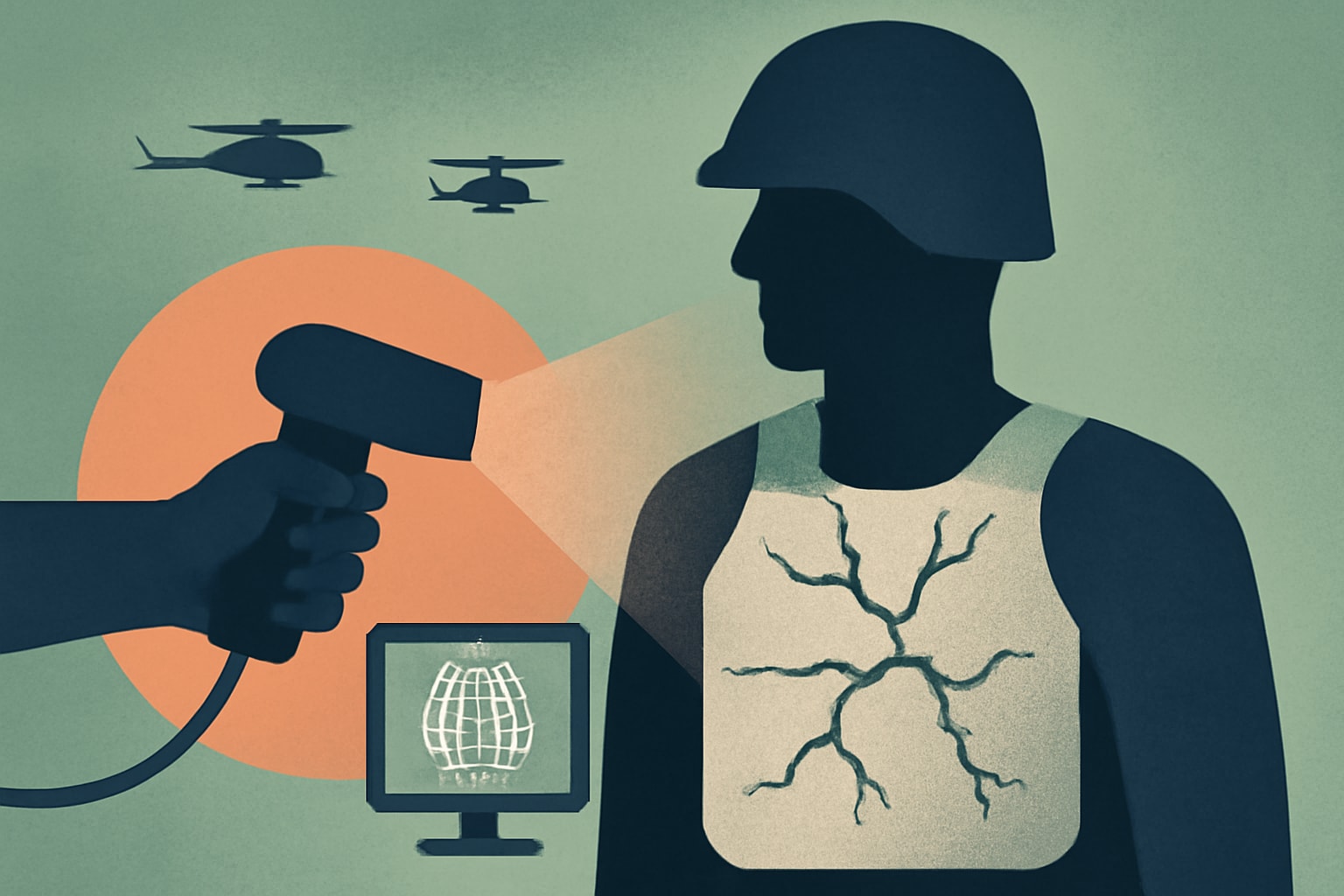
The U.S. Marine Corps is set to acquire high-resolution 3D scanners aimed at improving body armor safety for service members.
What's Happening
- •The U.S. Marine Corps plans to acquire high-resolution 3D scanners.
- •These scanners will be used to detect cracks in body armor.
- •The initiative aims to enhance the safety of service members in the field.
Why It Matters
The safety of service members is paramount, and the introduction of 3D scanning technology represents a significant advancement in maintaining the integrity of body armor. As the Marine Corps continues to face evolving threats, ensuring that personnel are equipped with reliable protective gear is essential for mission success and the well-being of all service members.
What Changes Now
- •The Marine Corps will implement the use of high-resolution 3D scanners for body armor inspections. This change will enhance the identification of cracks and ensure that all personnel are equipped with safe gear.
- •Training for Marines on the new scanning technology will begin in early 2027. This training is crucial for ensuring that service members can effectively use the scanners to maintain their safety.
- •Regular scanning protocols will be established to ensure ongoing safety standards for body armor. This proactive approach aims to prevent equipment failures in the field.
What to Watch
- •Training sessions for the new scanning technology will commence in early 2027. These sessions will be essential for preparing Marines to utilize the equipment effectively.
- •The results of the initial scans will be monitored closely to assess the impact on body armor replacement policies. This information will be vital for future equipment readiness decisions.
- •Updates on the program's effectiveness may influence broader adoption of similar technologies in other military branches. Stakeholders will be watching closely to see how this initiative shapes future safety protocols.
Get the Daily Briefing
Military and veteran news that actually affects you, in your inbox each morning.
More Context
- •Enhancing Safety with Technology: The U.S. Marine Corps is taking proactive steps to ensure the safety of its personnel by integrating advanced technology into its equipment maintenance protocols. The acquisition of high-resolution 3D scanners is a significant move towards identifying potential cracks in body armor, which can compromise the safety of Marines during operations. Body armor is critical for protecting service members from ballistic threats, and any deterioration can lead to severe consequences in combat scenarios. By implementing this technology, the Marine Corps aims to maintain high readiness levels and ensure that all personnel are equipped with reliable protective gear.
- •Who Will Benefit?: This initiative primarily affects active-duty Marines, particularly those in combat roles, including infantry and reconnaissance units. For ranks E-4 to E-6, who often serve in frontline positions, the enhanced detection of body armor issues is crucial for their safety. Additionally, this technology may also extend to Reserve Component Marines who are mobilized for active duty. Ensuring that all service members have access to safe and effective body armor is a priority for the Marine Corps, as it directly impacts mission success and personnel safety.
- •Practical Changes Ahead: The introduction of 3D scanning technology will lead to immediate changes in how body armor inspections are conducted. Marines will undergo training on how to use the new scanners effectively, which is expected to roll out within the next fiscal year. This change will not only improve the efficiency of inspections but also ensure that any damaged armor is identified and replaced promptly. The Marine Corps will also establish protocols for regular scanning to maintain ongoing safety standards.
- •What to Watch For: Upcoming training sessions for Marines on the use of 3D scanners are expected to begin in early 2027, with specific dates to be announced by the Marine Corps. Additionally, the results of initial scans and their impact on body armor replacement policies will be closely monitored. Stakeholders will be interested in how this technology affects overall equipment readiness and safety ratings within the Marine Corps. Future updates on the program's effectiveness may influence broader adoption across other branches of the military.
Frequently Asked Questions
Will all Marines receive training on the new 3D scanners?
Yes, training on the new 3D scanning technology will be provided to all Marines involved in body armor inspections.
How will this technology improve body armor safety?
The 3D scanners will allow for more accurate detection of cracks and defects in body armor, ensuring that damaged gear is identified and replaced promptly.
When will the new scanning technology be implemented?
The implementation of the 3D scanning technology is expected to begin in early 2027, with training sessions starting around that time.
The Daily Briefing
Military & veteran news that actually affects you — delivered every morning.
- Pay, benefits & policy changes
- Pentagon decisions that matter
- VA updates for veterans & families
- One email. No spam. Unsubscribe anytime.
Related Stories
- Pentagon Cuts Army Civilian Hiring Time from 161 Days to 47— Federal News Network
- Army Pilots AI-Backed Maintenance Program to Streamline Repairs— DefenseScoop
- Pentagon Orders Universities to Sever Foreign Research Ties— Military Times
- U.S. Special Operations Command Adopts New Half-Mask and Goggles— Army Times