U.S. Launches Strikes on Iran After Apache Helicopter Downed
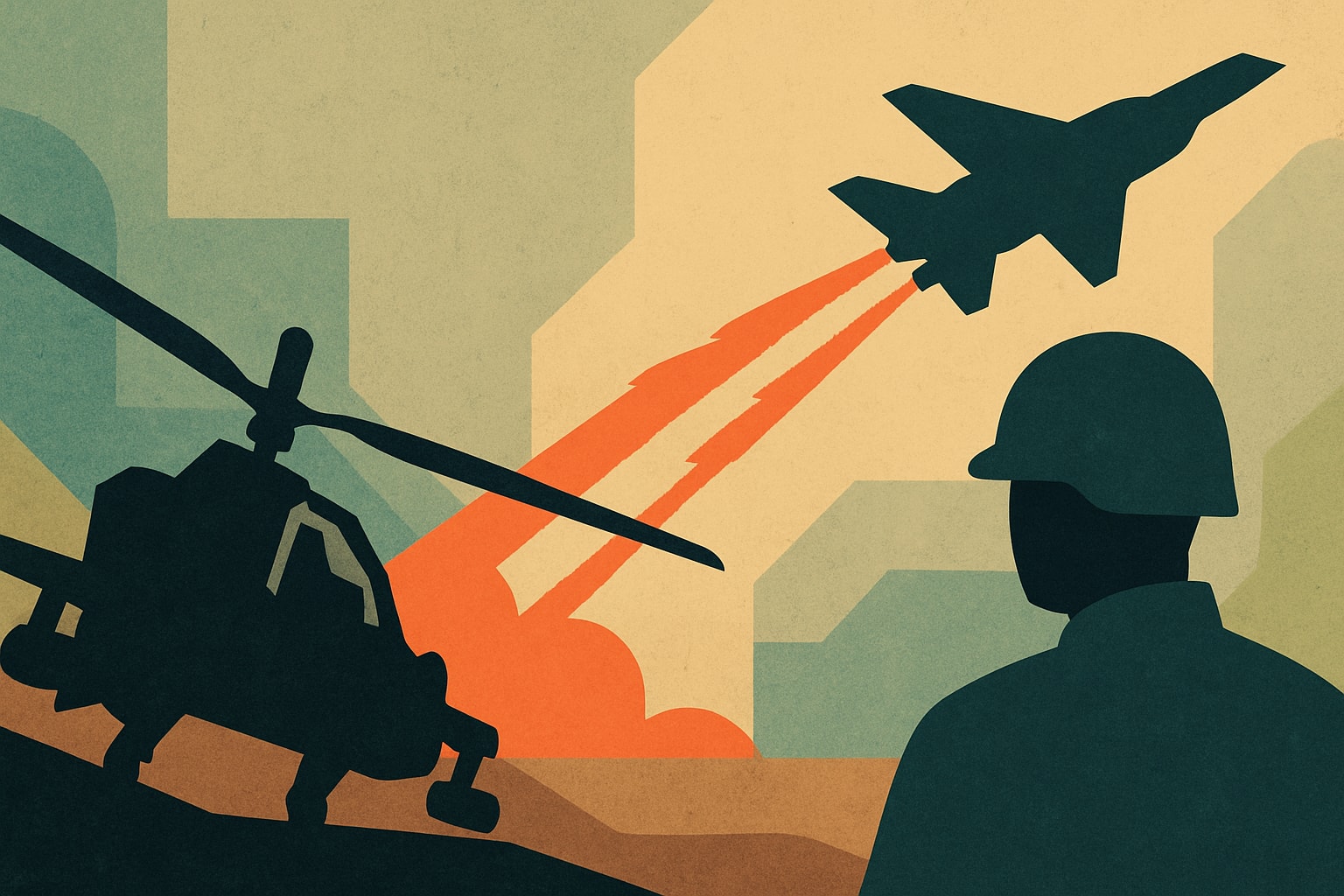
Following the downing of a U.S. Apache helicopter by Iran, the U.S. has responded with military strikes, impacting service members and families.
What's Happening
- •The U.S. conducted military strikes against Iran on June 9, 2026.
- •This action follows the downing of a U.S. Apache helicopter in the Strait of Hormuz.
- •President Trump confirmed the strikes in response to the incident.
Why It Matters
This escalation impacts not only military operations but also the safety and readiness of service members and their families. Understanding the implications of such actions is crucial for those serving and their loved ones, as it may affect deployments, family support services, and overall military strategy in the region.
What Changes Now
- •The U.S. military has increased its operational readiness in the region. This means that service members may be called to respond more quickly to emerging threats.
- •Deployment schedules for some units may be adjusted to accommodate the heightened tensions. Service members should check with their chain of command for any updates regarding their deployment status.
- •Family support services may see increased demand as service members prepare for potential extended deployments. Families should reach out to their local family readiness centers for resources and assistance.
What to Watch
- •Monitor updates from military leadership regarding operational changes. This will provide clarity on how the situation may affect specific units and personnel.
- •Watch for announcements regarding potential changes in deployment timelines. The Department of Defense will likely provide guidance as the situation evolves.
- •Stay informed about any changes to family support services. As deployments may extend, resources for families will be crucial in managing the impact of these changes.
Get the Daily Briefing
Military and veteran news that actually affects you, in your inbox each morning.
More Context
- •Background on the Incident: On June 9, 2026, tensions escalated in the Strait of Hormuz when Iran reportedly shot down a U.S. Apache helicopter. This incident marks a significant increase in hostilities between the U.S. and Iran, which have been at odds over various geopolitical issues for years. The Strait of Hormuz is a critical shipping lane for oil and military operations, making any conflict in this area particularly concerning for U.S. forces and allies.
- •Immediate Military Response: In retaliation for the helicopter downing, the U.S. launched targeted strikes against Iranian military positions. These strikes were designed to deter further aggression and protect U.S. personnel in the region. Active-duty service members, particularly those in aviation and ground combat roles, should be aware of heightened operational risks and potential changes in mission parameters as a result of this escalation.
- •Implications for Service Members: The recent strikes may lead to increased deployments or altered mission assignments for service members in the region. Active-duty personnel, especially those in the Navy and Air Force, may face more frequent operational readiness evaluations. It's essential for service members to stay informed about their deployment status and any changes to their roles as the situation develops.
- •Long-Term Considerations: As the U.S. continues to respond to Iranian actions, military families should prepare for potential extended deployments or changes in family support services. The Department of Defense may implement additional measures to ensure the safety and welfare of service members and their families. Monitoring official communications from military leadership will be crucial for staying updated on any changes that could affect service members and their dependents.
Frequently Asked Questions
Does this affect Guard members on Title 10 orders?
Yes, Guard members on Title 10 orders may be impacted by increased operational readiness and potential changes in deployment status.
Will my BAH change if I move duty stations mid-year?
Your Basic Allowance for Housing (BAH) may be affected if you relocate, depending on the new duty station's rates and your service branch's policies.
Veteran Take
For those who've served, the recent escalation in military action reminds us of the constant uncertainties that come with our commitment to protect our country. Veterans navigating this will feel the weight of potential deployments and the ripple effects on their families, as these decisions can bring back memories of their own experiences in conflict. It's crucial for the military community to stay informed and support one another as we face these challenges together.
The Daily Briefing
Military & veteran news that actually affects you — delivered every morning.
- Pay, benefits & policy changes
- Pentagon decisions that matter
- VA updates for veterans & families
- One email. No spam. Unsubscribe anytime.
Related Stories
- FEDVIP Dental Premiums to Rise 1%, Vision Premiums by 1.6% for 2027— Military.com
- Pentagon Threatens Universities Over Foreign Ties, Considers Audits— DefenseScoop
- 3rd Battalion, 75th Ranger Regiment Named Best Squad at AUSA 2026— Army Times
- Army Creates New Formations to Test Autonomous Warfare— Federal News Network