U.S. Launches New Round of Strikes Against Iran Amid Naval Blockade
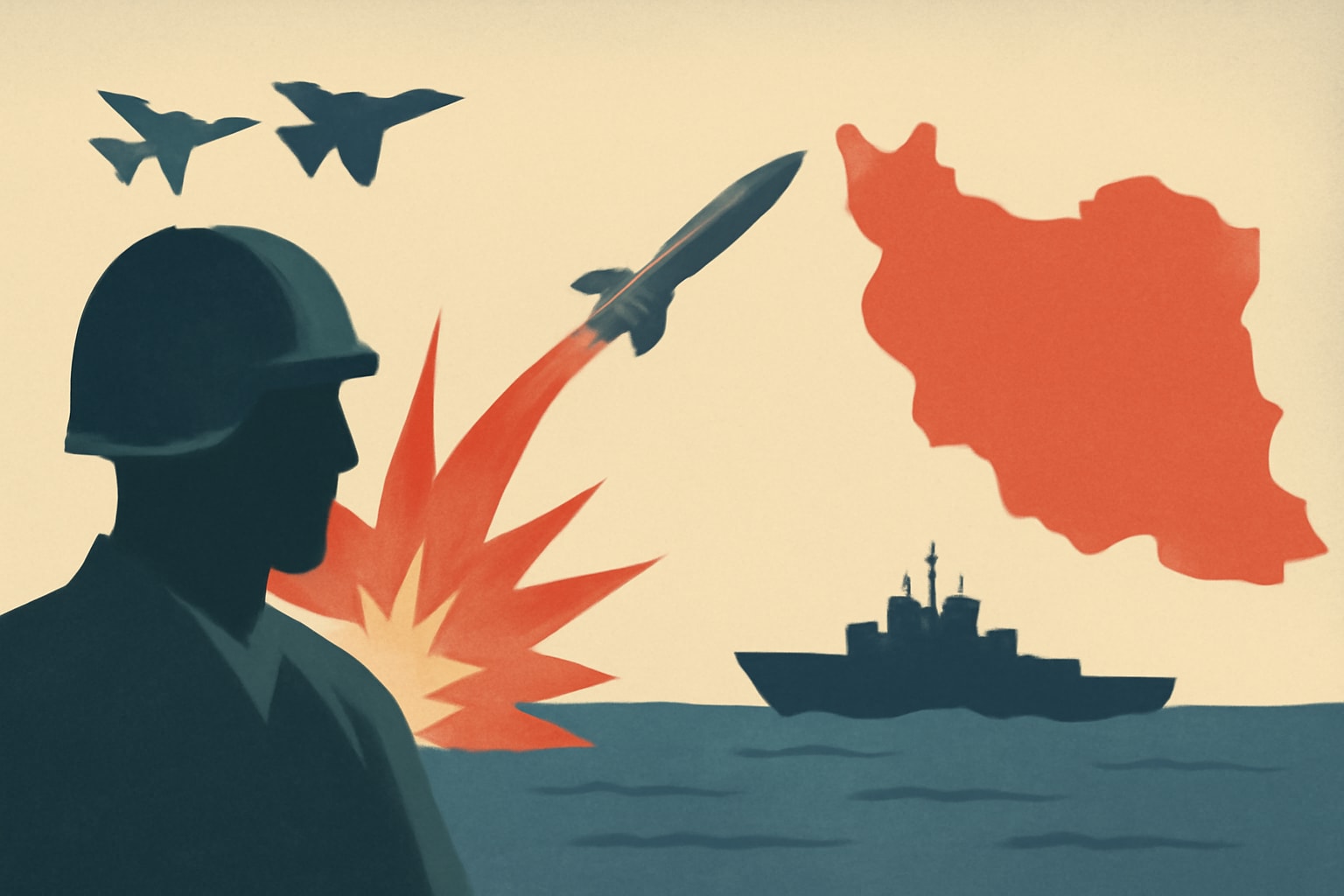
The U.S. military has escalated its operations against Iran, conducting strikes on military sites after reinstating a naval blockade.
What's Happening
- •The U.S. has conducted a new wave of military strikes against Iranian military sites.
- •This action follows the reimplementation of a naval blockade on Iranian ports.
- •These strikes are part of ongoing tensions between the U.S. and Iran.
Why It Matters
The recent military actions against Iran are significant for service members and their families as they may lead to increased deployments and operational demands. Understanding these developments is crucial for those in the military community, especially for those stationed in or near the Central Command area.
What Changes Now
- •The U.S. military's operational tempo is likely to increase in the region. This means service members should prepare for potential longer deployments and more rigorous training schedules.
- •Families of service members may experience changes in communication frequency. They should stay connected with their loved ones and utilize available support resources during heightened operational periods.
- •Service members may receive updated orders or mission assignments as the situation develops. It is important for them to remain flexible and ready to adapt to changing circumstances.
What to Watch
- •Upcoming announcements from the Department of Defense regarding military operations. These updates will clarify the scope and duration of current missions.
- •Congressional hearings on military strategy and funding related to U.S.-Iran relations. These discussions could influence future military policies and resource allocation.
- •Changes in deployment schedules for units stationed in the Central Command area. Service members should monitor unit communications for any updates.
Get the Daily Briefing
Military and veteran news that actually affects you, in your inbox each morning.
More Context
- •Overview of Recent Military Actions: On July 15, 2026, the U.S. military initiated a series of strikes targeting Iranian military installations. This escalation comes after the U.S. government reinstated a naval blockade aimed at restricting Iranian access to international waters. The strikes are intended to deter Iranian military actions that threaten U.S. interests and allies in the region. The U.S. has emphasized that these operations are defensive in nature, aimed at ensuring the safety of maritime navigation and regional stability.
- •Implications for Service Members: Active-duty service members, particularly those in the Navy and Marine Corps, may see increased operational tempo and deployment readiness as a result of these actions. Units stationed in the Central Command area of responsibility, including those aboard aircraft carriers and amphibious assault ships, are likely to be on heightened alert. Additionally, service members should be aware of potential changes in their deployment schedules and mission assignments as the situation develops.
- •What This Means for Military Families: Military families should prepare for the possibility of extended deployments or sudden changes in their loved ones' assignments. Communication with service members may become more challenging during heightened operational periods. Families are encouraged to utilize resources such as the Military Family Life Counseling program for support during these times of uncertainty. Staying informed through official military channels will help families navigate any changes that may arise.
- •Monitoring Future Developments: As the situation evolves, service members and their families should keep an eye on announcements from the Department of Defense regarding operational updates. The U.S. Congress may also hold hearings to discuss military strategy and funding related to these operations, which could impact future military readiness and resource allocation. It is crucial for military personnel to stay connected with their units for the latest information and guidance.
Frequently Asked Questions
Does this affect Guard members on Title 10 orders?
Yes, Guard members activated under Title 10 may be deployed to support operations in the region.
Will my BAH change if I move duty stations mid-year?
Your Basic Allowance for Housing (BAH) will adjust based on your new duty station's location and rates.
Veteran Take
For those who've served, the escalation of military operations against Iran is a stark reminder of the constant readiness we must maintain. Veterans navigating this will likely feel a mix of concern for service members deployed into harm's way and a deep understanding of the complexities involved in such decisions. It's crucial for our community to stay informed, as these developments can have lasting impacts on both current service members and their families.
The Daily Briefing
Military & veteran news that actually affects you — delivered every morning.
- Pay, benefits & policy changes
- Pentagon decisions that matter
- VA updates for veterans & families
- One email. No spam. Unsubscribe anytime.
Related Stories
- Watchdog Report Reveals Security Flaws in Pentagon Wireless Services— Task & Purpose
- Marine Corps Invests $19.25 Million in Electric Seaglider Technology— Military.com
- Unknown Sailors and Marines from USS Arizona to be Disinterred on December 7— Army Times
- US Army Considers Balloons for Military Operations in the Stratosphere— Army Times