U.S. Forces Disable Two Iranian Tankers and Sink a Third in Strait of Hormuz
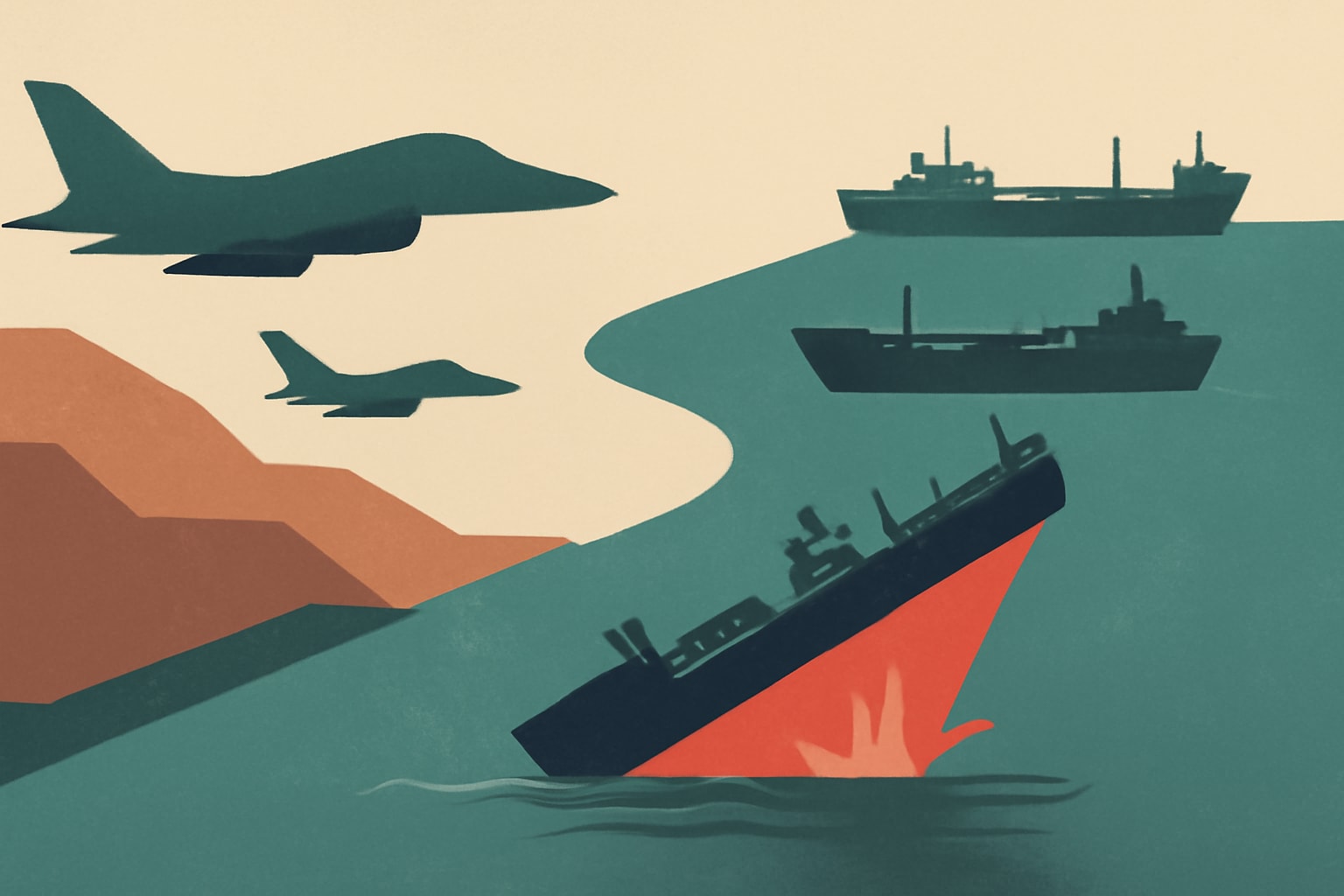
In retaliation for missile attacks on Navy ships, the U.S. military has taken significant action against Iranian tankers in the Strait of Hormuz.
What's Happening
- •U.S. Navy ships evaded multiple ballistic missiles in the Strait of Hormuz.
- •In response, U.S. forces disabled two Iranian tankers and sank a third.
- •These actions mark a significant escalation in U.S.-Iran tensions in the region.
Why It Matters
The recent military actions in the Strait of Hormuz highlight the ongoing volatility in U.S.-Iran relations, which directly impacts service members deployed in the region. Understanding these developments is crucial for military personnel and their families, as they may affect operational readiness and safety protocols.
What Changes Now
- •Service members may experience changes in their deployment orders due to increased tensions in the region. It is important for them to stay updated through official channels to understand any new directives.
- •Operational protocols may be adjusted to enhance the safety of personnel in the area. This could involve increased surveillance and changes in engagement rules, which all affected service members need to be briefed on.
- •The risk of retaliatory actions from Iran may lead to heightened alert statuses for Navy vessels in the Strait of Hormuz. Service members should prepare for potential escalations and ensure they are familiar with emergency procedures.
What to Watch
- •Monitor communications from military leadership regarding changes in deployment status. This will provide clarity on how personnel should prepare for potential escalations in the region.
- •Watch for any statements from the Pentagon regarding operational changes following the incident. These updates will inform service members about any new rules of engagement or safety measures.
- •Keep an eye on international diplomatic responses to the U.S. actions. Decisions made by allied nations could impact the operational landscape and the safety of U.S. forces.
Get the Daily Briefing
Military and veteran news that actually affects you, in your inbox each morning.
More Context
- •Background of the Incident: The recent military engagement in the Strait of Hormuz follows a series of escalating tensions between the U.S. and Iran. U.S. Navy vessels, which were conducting routine operations in the area, came under fire from Iranian ballistic missiles. This incident is part of a broader pattern of confrontations in the region, where the U.S. has maintained a naval presence to ensure the safety of maritime navigation and to counter Iranian influence.
- •Details of the Military Response: In retaliation for the missile attacks, the U.S. military executed a decisive operation against Iranian tankers. Two tankers were disabled, rendering them inoperable, while a third was sunk. This action demonstrates the U.S. commitment to protecting its forces and interests in the region, sending a clear message to Iran regarding the consequences of aggressive actions against U.S. military assets.
- •Implications for Military Personnel: Active-duty service members, particularly those in naval operations and intelligence roles, should be aware of the heightened risk in the region. Personnel involved in maritime operations may face increased operational tempo and potential changes in mission parameters. It is crucial for service members to stay informed about their deployment status and any changes in rules of engagement that may arise from this incident.
- •What Comes Next?: The U.S. military's actions may lead to further retaliatory measures from Iran, which could escalate tensions in the region. Service members should monitor communications from their command regarding operational changes and safety protocols. Additionally, the international community will be watching closely to see how this incident influences diplomatic relations and military strategies in the Middle East.
Frequently Asked Questions
Does this affect Guard members on Title 10 orders?
Yes, Guard members on Title 10 orders may see changes in their operational assignments or rules of engagement due to the heightened tensions.
Will my BAH change if I move duty stations mid-year?
Your Basic Allowance for Housing (BAH) may be affected if you move to a new location with different housing costs; consult your finance office for specifics.
The Daily Briefing
Military & veteran news that actually affects you — delivered every morning.
- Pay, benefits & policy changes
- Pentagon decisions that matter
- VA updates for veterans & families
- One email. No spam. Unsubscribe anytime.
Related Stories
- Federated AI: Transforming Defense Data Chaos into Mission Advantage— Federal News Network
- Air Force Initiates Sustainment Framework for CCA Drones— DefenseScoop
- Automation and Unmanned Systems Take Center Stage at Army 2026 Conference— Army Times
- AFRL Partners with Virgin Galactic to Collect Space Weather Data— Air & Space Forces Magazine