U.S. Forces Board Sanctioned Tanker in Indian Ocean
The Pentagon confirms U.S. forces have intercepted multiple commercial and oil tankers in the Indian Ocean, raising security concerns.
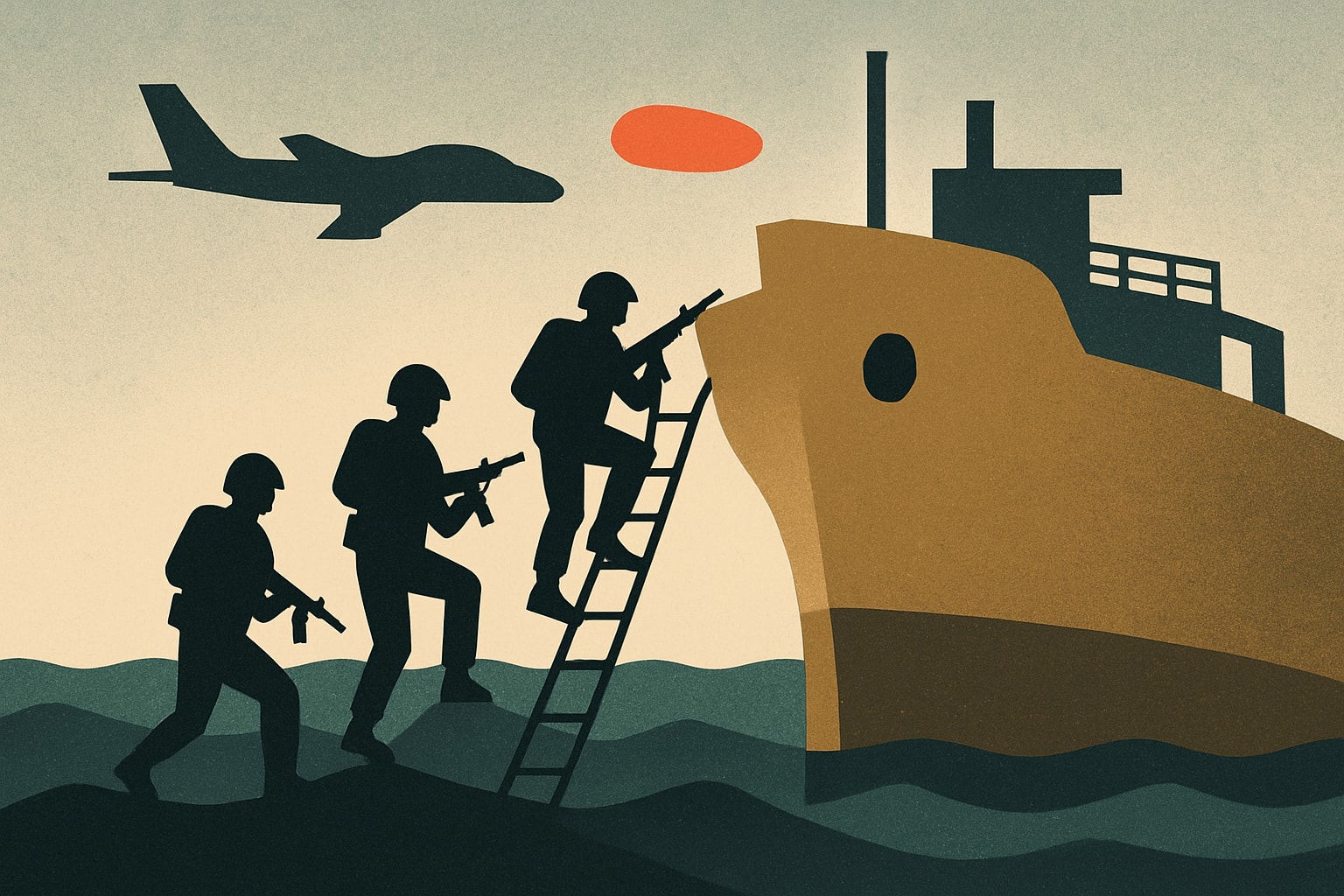
What's Happening
- •U.S. forces have boarded a sanctioned tanker in the Indian Ocean.
- •This action follows multiple interceptions of commercial and oil tankers in recent months.
- •The Pentagon has confirmed these operations are part of broader security measures.
Why It Matters
The interception of sanctioned vessels in the Indian Ocean is significant for U.S. military operations and international relations. For service members and veterans, understanding these developments is crucial as they may influence future deployments and operational strategies in maritime security.
What Changes Now
- •U.S. Navy operations in the Indian Ocean will likely see increased engagement with commercial vessels. This change is crucial for maintaining maritime security and enforcing sanctions.
- •Service members may need to adapt to new rules of engagement as operations intensify. Understanding these new protocols will be essential for effective mission execution.
- •The Pentagon's focus on maritime security may lead to more joint operations with allied forces. This collaboration can enhance operational effectiveness and improve intelligence sharing.
What to Watch
- •Monitor updates from the Pentagon regarding operational changes in the Indian Ocean. These updates will clarify the scope and nature of ongoing military actions.
- •Watch for potential diplomatic responses from nations affected by U.S. interceptions. These responses could impact international relations and future military engagements.
- •Keep an eye on the deployment schedules of Navy and Marine Corps units in the region. Changes in deployment timelines may occur as operations evolve.
Get the Daily Briefing
Military and veteran news that actually affects you, in your inbox each morning.
More Context
- •Background on Recent Operations: In recent months, U.S. forces have increased their presence in the Indian Ocean, focusing on intercepting vessels suspected of violating international sanctions. These operations are part of a strategic initiative to ensure maritime security and uphold international law, particularly in light of rising tensions in the region. The Pentagon's confirmation of these actions highlights the ongoing commitment of U.S. forces to monitor and control maritime activities that may threaten national and allied interests.
- •Implications for Military Personnel: Active duty service members, particularly those in the Navy and Marine Corps, may find their operations impacted by these increased interceptions. Personnel involved in maritime security operations should be aware of the heightened scrutiny and potential for engagement with sanctioned vessels. This could lead to changes in mission parameters, requiring adaptability and readiness among sailors and Marines deployed in the region.
- •What This Means for Future Operations: The ongoing operations in the Indian Ocean signal a shift in U.S. military strategy towards more proactive measures in maritime security. Service members should prepare for potential escalations in their operational tempo, as the U.S. seeks to deter illegal activities at sea. Additionally, this situation may lead to increased collaboration with allied naval forces, enhancing joint operational capabilities and intelligence sharing.
Frequently Asked Questions
Does this affect Guard members on Title 10 orders?
Yes, Guard members on Title 10 orders may be involved in operations related to maritime security in the Indian Ocean.
Will my deployment be impacted by these operations?
Deployment schedules may change based on the evolving situation in the Indian Ocean, particularly for Navy and Marine Corps personnel.
Veteran Take
For those who've served, the interception of sanctioned vessels in the Indian Ocean is a reminder of the ongoing complexities in global security. These operations not only reflect our commitment to maintaining maritime stability but also highlight the evolving nature of military engagements that veterans must stay informed about. As we navigate these developments, it's essential to consider how they may impact future deployments and the safety of our fellow service members.
The Daily Briefing
Military & veteran news that actually affects you — delivered every morning.
- Pay, benefits & policy changes
- Pentagon decisions that matter
- VA updates for veterans & families
- One email. No spam. Unsubscribe anytime.
Related Stories
- FEDVIP Dental Premiums to Rise 1%, Vision Premiums by 1.6% for 2027— Military.com
- Pentagon Threatens Universities Over Foreign Ties, Considers Audits— DefenseScoop
- US Army Competition Explores Military Uses for Humanoid Robots— Military Times
- US Army’s 8th Psychological Operations Group Inactivated Amid Restructuring— Military Times