U.S. Military Strikes Three Iranian Oil Tankers Amid Rising Tensions
The U.S. military's recent strikes against Iranian oil tankers mark a significant escalation in regional tensions.
What's Happening
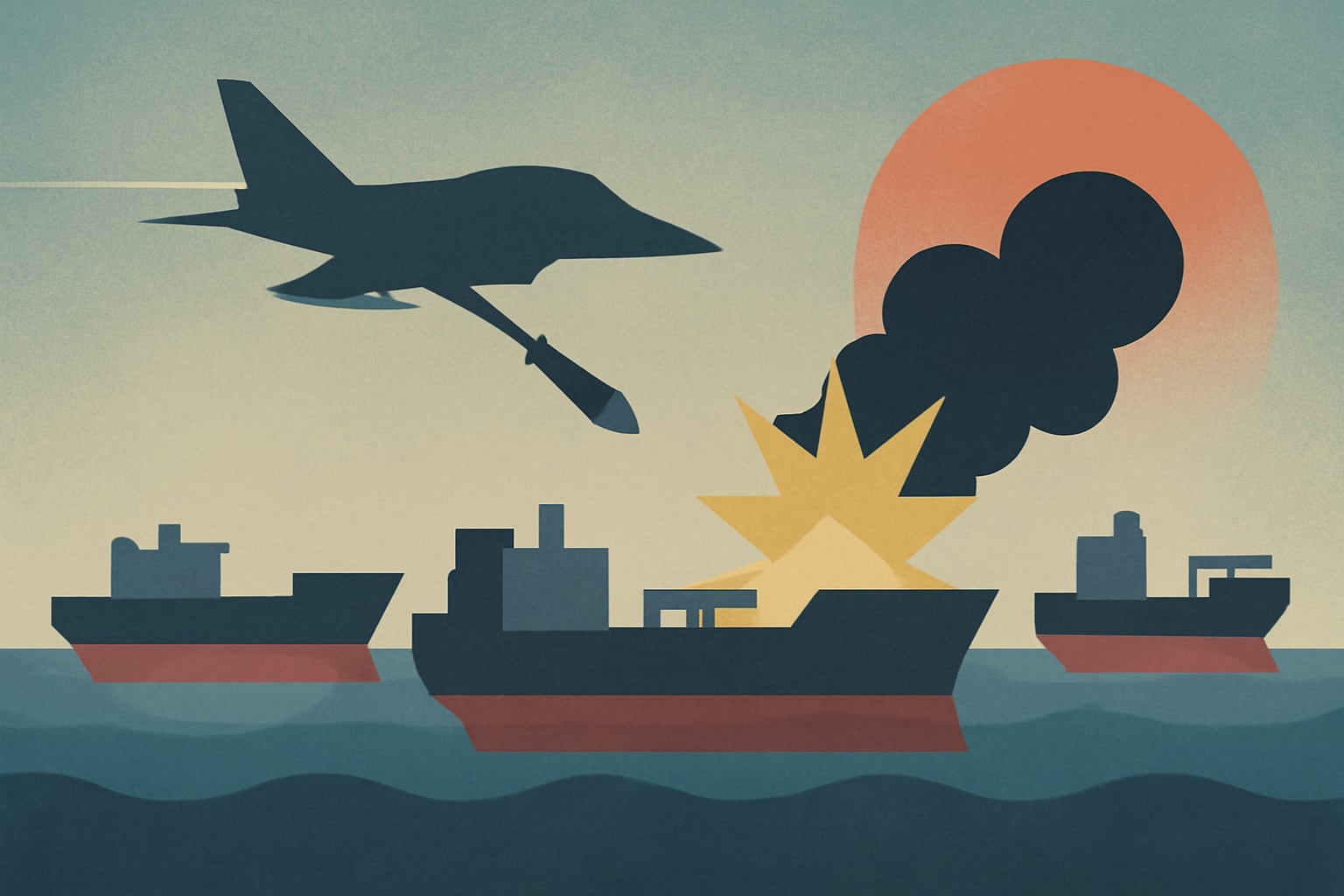
- •On September 5, U.S. military forces struck three Iranian oil tankers.
- •The strikes come after Iran fired on U.S. Navy ships in the Strait of Hormuz.
- •This action reflects ongoing tensions between the U.S. and Iran over maritime security.
Why It Matters
The recent military actions underscore the ongoing volatility in the Middle East and the potential for conflict that could directly impact U.S. service members stationed in the region. For veterans and military families, understanding these developments is crucial as they may influence future military engagements and national security policies.
What Changes Now
- •U.S. military readiness levels in the region may increase. This means that service members could face heightened alert statuses and possible deployment orders as tensions escalate.
- •Operational guidelines for naval and air units may be revised. Service members should consult their command for updates on rules of engagement and mission objectives.
- •Logistical support for operations in the Strait of Hormuz may be expanded. This could involve increased resources allocated to ensure the safety of shipping lanes and military personnel.
What to Watch
- •Iran's response to the U.S. strikes will be critical. Iran has indicated it may retaliate, which could lead to further military actions or diplomatic negotiations.
- •Upcoming congressional discussions regarding U.S. military strategy in the Middle East. Lawmakers may propose new measures that could affect military operations and funding.
- •Changes in international oil markets as a result of these strikes. Fluctuations in oil prices could impact the U.S. economy and military logistics.
Get the Daily Briefing
Military and veteran news that actually affects you, in your inbox each morning.
More Context
- •Background on U.S.-Iran Tensions: The Strait of Hormuz is a critical maritime chokepoint through which a significant portion of the world's oil supply passes. Tensions have escalated in recent months, with Iran's aggressive actions prompting a stronger military response from the U.S. The U.S. has deployed additional naval assets to the region to ensure the safety of commercial shipping and to deter Iranian provocations.
- •Details of the Military Strikes: The strikes on September 5 involved U.S. fighter jets and drones targeting Iranian tankers believed to be transporting oil to Syria. This operation was part of a broader strategy by the Trump administration to increase economic pressure on Iran and disrupt its funding for militant groups. The precision of the strikes aimed to minimize collateral damage while sending a clear message regarding U.S. commitment to protecting its interests in the region.
- •Implications for Service Members: Active-duty service members, particularly those in naval and air operations, should be aware of the heightened operational tempo in the region. This could lead to increased deployments and readiness requirements for units stationed near the Strait of Hormuz. Additionally, service members should stay informed about potential changes in mission parameters and rules of engagement as the situation evolves.
- •Future Developments to Monitor: Military and diplomatic responses from Iran are critical to watch in the coming weeks. Iran has threatened retaliation, which could escalate tensions further and affect U.S. military operations in the region. Additionally, the U.S. Congress may respond with new sanctions or military directives, impacting the strategic landscape in the Middle East.
Frequently Asked Questions
Does this affect Guard members on Title 10 orders?
Yes, Guard members on Title 10 orders may see changes in their deployment status or mission parameters due to increased tensions.
Will my BAH change if I move duty stations mid-year?
Your Basic Allowance for Housing (BAH) may change based on the new duty station's location and housing costs.
The Daily Briefing
Military & veteran news that actually affects you — delivered every morning.
- Pay, benefits & policy changes
- Pentagon decisions that matter
- VA updates for veterans & families
- One email. No spam. Unsubscribe anytime.
Related Stories
- Space Force Aims to Beef Up Guardian Presence for Combat Commands— DefenseScoop
- Navy Establishes Dedicated Rating for Submarine Chiefs of the Boat— Military Times
- US Army Develops Soldier-Worn Drone Detection Gear— Defense News
- Air Force Successfully Tests New Sentinel ICBM Reentry Vehicle— Air & Space Forces Magazine