US Diplomats and Family Members Begin to Return to Middle East Embassies
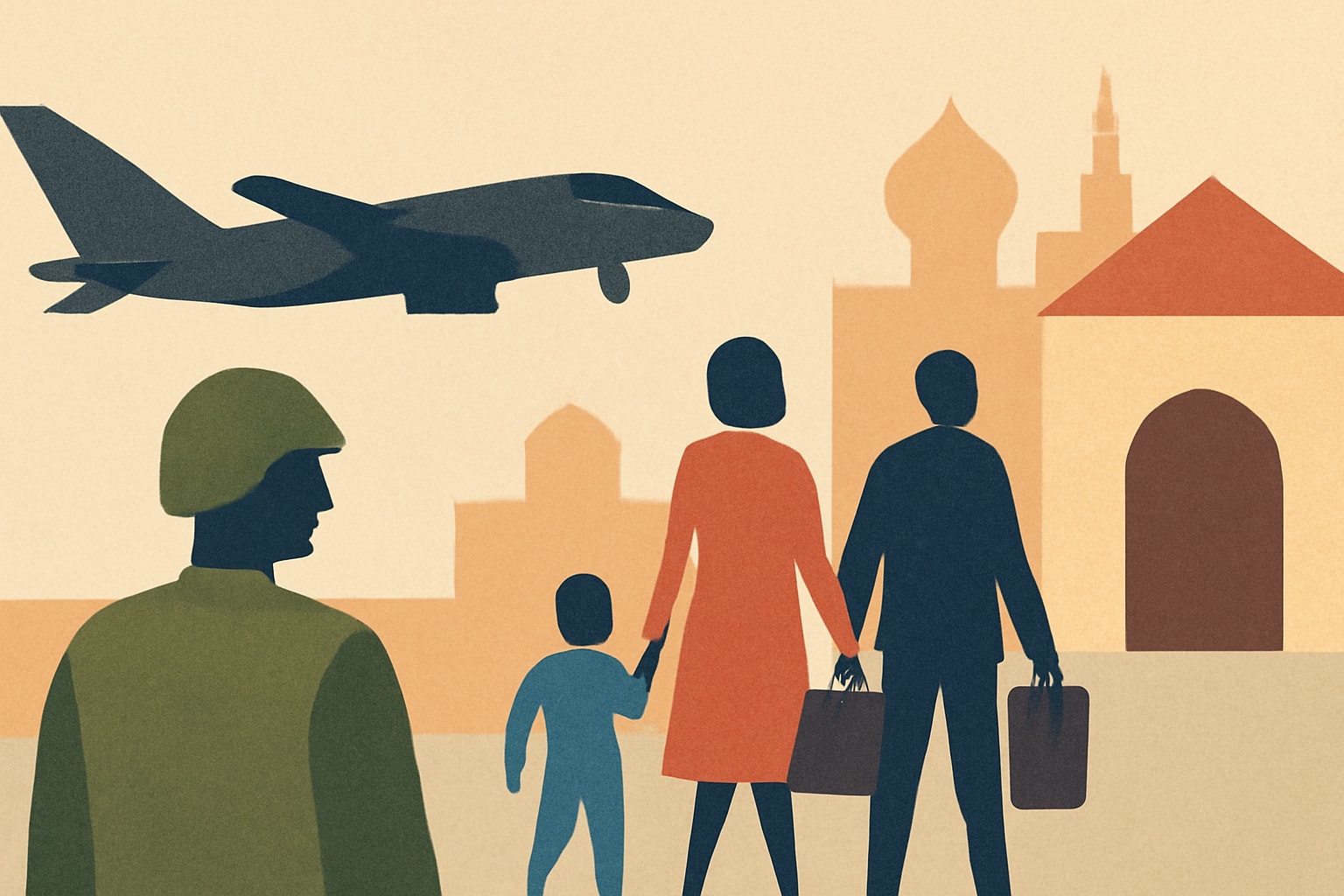
Embassies in Qatar, Kuwait, and Bahrain are allowing diplomats’ family members to return amid changing security conditions.
What's Happening
- •Embassies in Qatar, Kuwait, and Bahrain have announced the return of diplomats' family members.
- •This decision follows a reassessment of security conditions in the region.
- •The move is part of a broader effort to stabilize diplomatic operations in the Middle East.
Why It Matters
The return of diplomats' families to embassies in Qatar, Kuwait, and Bahrain signifies a shift in the security landscape of the region. For military personnel and their families, this change can alleviate some of the stress associated with long deployments and separations, enhancing overall well-being and operational effectiveness.
What Changes Now
- •Diplomats' family members are now allowed to return to embassies in Qatar, Kuwait, and Bahrain. This change is effective immediately, allowing families to reunite with their loved ones who have been stationed abroad.
- •The embassies will implement measures to ensure the safety and well-being of returning family members. This includes security protocols that have been reassessed to accommodate the new family presence.
- •Service members stationed at these embassies can expect an increase in family support, which is crucial for mental health and morale. This change recognizes the importance of family unity during challenging deployments.
What to Watch
- •Monitor updates from the State Department regarding security conditions in the Middle East. These updates will provide insight into any future changes in family policies or embassy operations.
- •Watch for announcements about potential changes in deployment policies for military personnel. As family dynamics shift, the military may adjust its approach to assignments and support for service members.
- •Keep an eye on how this decision impacts the morale and operational effectiveness of personnel at these embassies. Feedback from service members and their families will be crucial in assessing the long-term implications.
Get the Daily Briefing
Military and veteran news that actually affects you, in your inbox each morning.
More Context
- •Details of the Return: The embassies in Qatar, Kuwait, and Bahrain have officially announced that family members of US diplomats can return to these locations. This decision marks a significant shift in the operational status of these embassies, which had previously restricted family presence due to security concerns. The return is expected to facilitate better morale and support for diplomats stationed in these regions, allowing them to perform their duties more effectively. Family members will be able to join diplomats who have been separated for extended periods, which is crucial for maintaining personal stability and mental health.
- •Impact on Military Families: This development is particularly relevant for military families who have members deployed to the region or who are stationed at these embassies. Active duty personnel in the Foreign Service or those involved in diplomatic security may find their family situations improving as loved ones return. The presence of family members can enhance the overall quality of life for service members, providing emotional support during challenging assignments. It also opens up discussions about how military and diplomatic families navigate deployments and separations, emphasizing the importance of family unity in maintaining operational effectiveness.
- •What This Means for Service Members: For service members, especially those in roles related to diplomacy or security, this change means a more stable environment both at work and at home. Families returning to the Middle East embassies can lead to improved morale among personnel, which is vital for maintaining focus on their duties. Additionally, this may influence future assignments and deployments, as the presence of family can be a significant factor in the decision-making process for military personnel. Those affected should stay informed about any further announcements regarding security conditions and family policies.
Frequently Asked Questions
Does this affect Guard members on Title 10 orders?
Yes, Guard members on Title 10 orders may be impacted as they could be stationed at these embassies or involved in related operations.
Will my BAH change if I move duty stations mid-year?
Your Basic Allowance for Housing (BAH) may change based on the new duty station's location and housing costs, so it's important to check the current rates.
The Daily Briefing
Military & veteran news that actually affects you — delivered every morning.
- Pay, benefits & policy changes
- Pentagon decisions that matter
- VA updates for veterans & families
- One email. No spam. Unsubscribe anytime.
Related Stories
- Lawsuit Claims Pentagon Withholding Records on Effectiveness of Women in Combat— Military.com
- What Permanent and Total VA Disability Status Means for Veterans— Military.com
- Nearly 500,000 Veterans to Get 3-Month Break from Paying Life Insurance Premiums— Military Times
- Marines to Receive Additional $1.66 Daily in Danger Pay Starting October 1— Military Times