US Military Destroys Lost Predator Drone After Hard Landing in Middle East
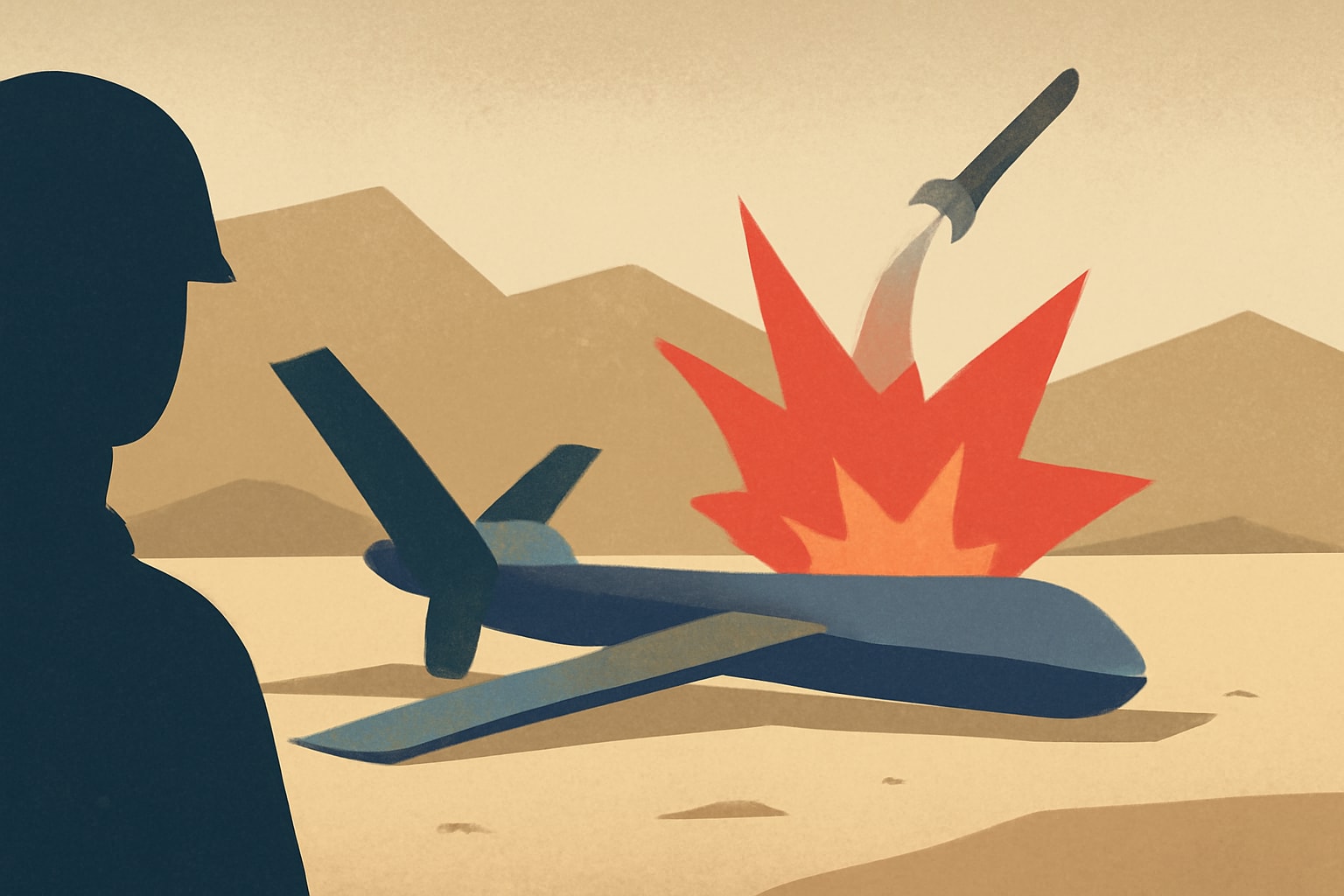
A Predator drone was destroyed by the US military following a hard landing due to power loss.
What's Happening
- •The US military destroyed a Predator drone after it lost power and made a hard landing.
- •The drone's crew managed to control the aircraft remotely for nearly 10 minutes post-power loss.
- •This incident occurred in the Middle East, highlighting operational challenges in the region.
Why It Matters
The destruction of the Predator drone highlights the ongoing challenges faced by military UAV operations, particularly in high-stakes environments like the Middle East. For service members and defense personnel, understanding these challenges is crucial for improving operational effectiveness and ensuring mission success.
What Changes Now
- •The military may implement new training protocols for UAV operators. This will ensure that personnel are better prepared to handle technical failures in the field.
- •A review of the UAV maintenance procedures is likely to take place. This change aims to enhance the reliability of drones and reduce the risk of similar incidents in the future.
- •Increased funding for UAV technology may be allocated as a result of this incident. This funding will focus on improving the reliability and performance of drones used in military operations.
What to Watch
- •Watch for updates on new training programs for UAV operators. These programs may be announced within the next few months as the military addresses the incident's implications.
- •Keep an eye on any changes to UAV maintenance protocols. These changes could be implemented as part of a broader review of operational practices in the coming weeks.
- •Monitor discussions within military leadership regarding UAV technology investments. Decisions on funding allocations may emerge in upcoming defense budget proposals.
Get the Daily Briefing
Military and veteran news that actually affects you, in your inbox each morning.
More Context
- •Incident Overview: The recent destruction of a Predator drone by the US military underscores the operational challenges faced by unmanned aerial vehicles (UAVs) in combat zones. Following a hard landing caused by a fuel-related power loss, the drone's crew was able to maintain remote control for approximately ten minutes. This brief window of control reflects the crew's skill but also highlights the inherent risks involved in UAV operations, particularly in regions where technical failures can lead to significant losses.
- •Technical Implications: The incident raises questions about the reliability of UAV technology in adverse conditions. As military operations increasingly rely on drones for reconnaissance and combat, understanding the factors that lead to failures is critical. This includes examining fuel systems, maintenance protocols, and the training of personnel responsible for UAV operations. The loss of a Predator drone not only represents a financial setback but also a potential intelligence gap in ongoing operations.
- •Impact on Personnel: Active duty personnel, particularly those in technical roles such as 1C4X1 (Air Force Tactical Air Control Party) and 35M (Army Human Intelligence Collector), may face increased scrutiny regarding UAV operations. The incident could lead to revised training protocols or additional resources allocated to ensure the reliability of drones in the field. Such changes may affect how these service members prepare for and execute missions involving UAVs.
- •Future Considerations: Looking ahead, military leadership will likely evaluate the circumstances surrounding this incident to prevent future occurrences. This evaluation may involve a review of current UAV technologies and operational strategies. Service members and defense personnel should stay informed about any updates or changes in UAV operational protocols that may arise from this incident.
Frequently Asked Questions
Does this incident affect UAV training for Air Force personnel?
Yes, it may lead to revised training protocols to better prepare UAV operators for technical failures.
Will there be changes in how drones are maintained?
Yes, a review of maintenance procedures is expected to enhance drone reliability and performance.
How will this impact ongoing military operations?
The loss of the drone could create temporary intelligence gaps, prompting adjustments in operational strategies.
The Daily Briefing
Military & veteran news that actually affects you — delivered every morning.
- Pay, benefits & policy changes
- Pentagon decisions that matter
- VA updates for veterans & families
- One email. No spam. Unsubscribe anytime.
Related Stories
- North Korea Test-Fires Intermediate-Range Missile Amid Rising Tensions— Military.com
- Hegseth Issues New Directive to Accelerate U.S. Military’s Counter-Drone Efforts— DefenseScoop
- Germany Aims to Manufacture American PAC-3 Interceptors to Meet Global Demand— Defense News
- F-117A Nighthawk to Join Smithsonian, Highlighting Stealth History— Air & Space Forces Magazine