U.S. Deploys Defense Assets to Protect Shipping in the Strait of Hormuz
The U.S. is launching 'Project Freedom' to enhance maritime security in the Arabian Gulf.
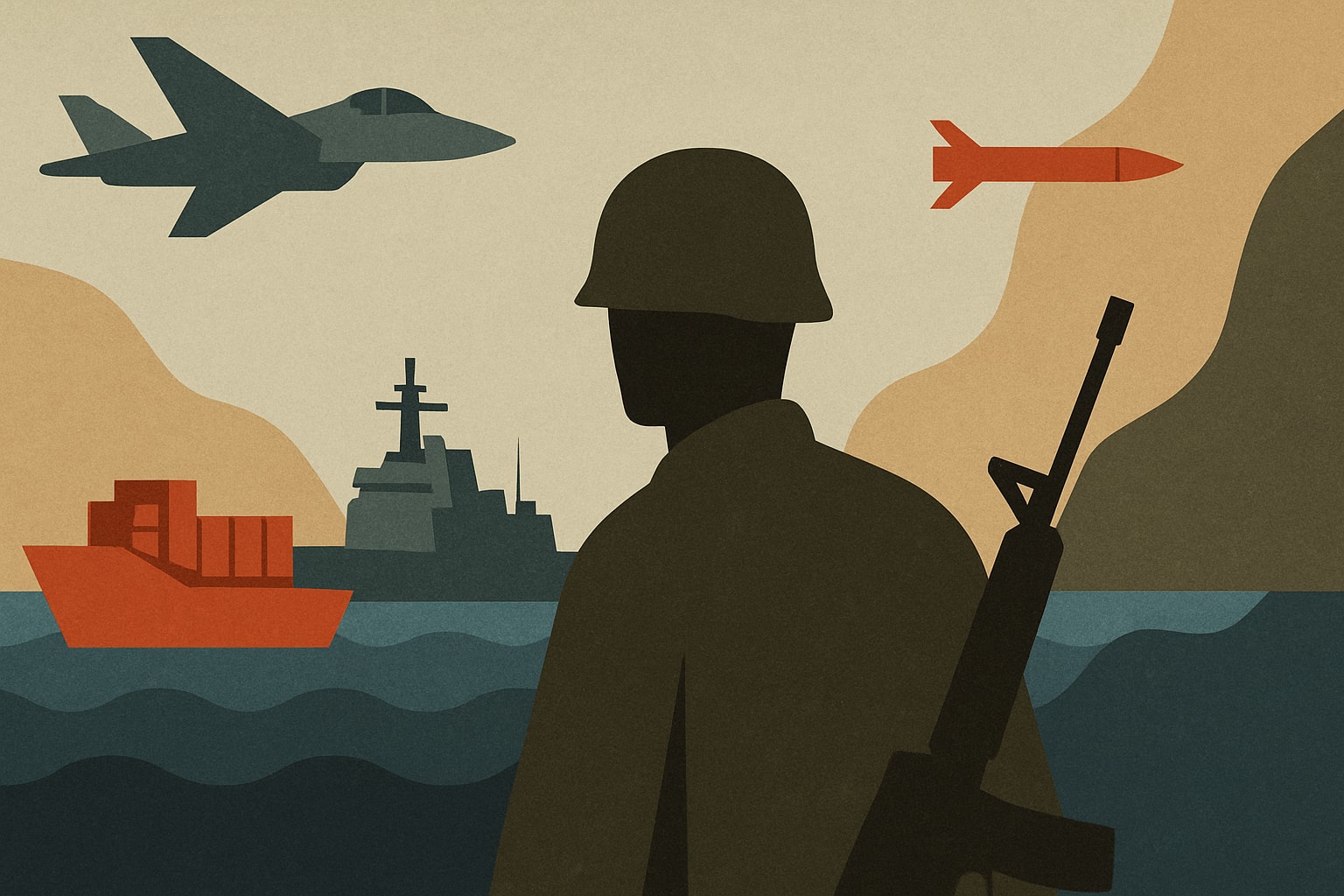
What's Happening
- •The U.S. is deploying an 'umbrella' of defense and technology assets in the Strait of Hormuz.
- •This initiative is part of 'Project Freedom' aimed at ensuring safe passage for commercial vessels.
- •The deployment is a response to recent threats to shipping routes in the Arabian Gulf.
Why It Matters
The U.S. deployment of defense assets in the Strait of Hormuz is significant for maintaining maritime security in a region critical to global commerce. For military personnel and veterans, this initiative underscores the ongoing commitment to protecting vital trade routes and the implications for U.S. military readiness in response to emerging threats.
What Changes Now
- •The U.S. is increasing its military presence in the Strait of Hormuz. This change aims to enhance the security of commercial shipping and deter potential threats.
- •New defense and surveillance technologies will be deployed to monitor maritime activities. These assets will provide real-time data to ensure safe navigation for vessels in the region.
- •The initiative may lead to increased joint operations with allied nations. This collaboration is vital for strengthening regional security and operational effectiveness.
What to Watch
- •Watch for updates on the deployment timeline of defense assets in the region. The effectiveness of these measures will be closely monitored by military analysts and policymakers.
- •Keep an eye on potential responses from regional adversaries. Their reactions could influence future U.S. military strategies and operations in the Arabian Gulf.
- •Follow developments regarding international shipping routes and trade flows. Changes in security dynamics may impact global oil prices and economic stability.
Get the Daily Briefing
Military and veteran news that actually affects you, in your inbox each morning.
More Context
- •Overview of Project Freedom: Project Freedom is a strategic initiative launched by the U.S. to bolster maritime security in the Strait of Hormuz. This region is critical for global trade, with a significant percentage of the world's oil passing through its waters. The project aims to provide enhanced protection for vessels navigating this vital shipping lane, ensuring that commerce can flow uninterrupted despite rising tensions.
- •Strategic Importance of the Strait of Hormuz: The Strait of Hormuz is one of the world's most important maritime chokepoints, connecting the Persian Gulf with the Arabian Sea. Approximately 20% of the world's oil supply transits through this narrow strait, making it a focal point for international trade and energy security. The U.S. deployment of defense assets is a proactive measure to deter potential threats and safeguard these critical shipping routes.
- •Details of the Defense Deployment: The U.S. will deploy a combination of naval vessels, surveillance technology, and air defense systems as part of this initiative. These assets are designed to monitor maritime activities and respond swiftly to any hostile actions against commercial shipping. This comprehensive approach aims to create a secure environment for vessels operating in the region, thereby supporting global economic stability.
- •Potential Impact on Military Operations: The deployment of these defense assets may alter the operational landscape for U.S. military forces in the region. Enhanced maritime security could lead to increased collaboration with allied nations in joint operations and intelligence sharing. This initiative not only aims to protect commercial interests but also reinforces U.S. commitments to regional allies and partners.
Veteran Take
For those who've served, seeing the U.S. bolster its presence in the Strait of Hormuz is a stark reminder of the ongoing global responsibilities we bear. This deployment not only highlights the importance of securing trade routes but also reflects our readiness to respond to threats that could impact both national security and our allies. Veterans navigating this will likely feel a mix of pride and concern, knowing that our military's commitment continues to be tested in such critical areas.
The Daily Briefing
Military & veteran news that actually affects you — delivered every morning.
- Pay, benefits & policy changes
- Pentagon decisions that matter
- VA updates for veterans & families
- One email. No spam. Unsubscribe anytime.
Related Stories
- U.S. Army Confirms 19th Service Member Death in Iran Conflict— Military Times
- Collaborative Combat Aircraft Production Set to Increase Amid 2027 Budget Uncertainty— Air & Space Forces Magazine
- UK Navy Chief Calls for Renewed Focus on Atlantic Security— Defense News
- Iran War Costs $38 Billion, Depletes U.S. Missile Interceptors— Military Times