U.S. Establishes New Autonomous Warfare Command to Enhance Drone Operations
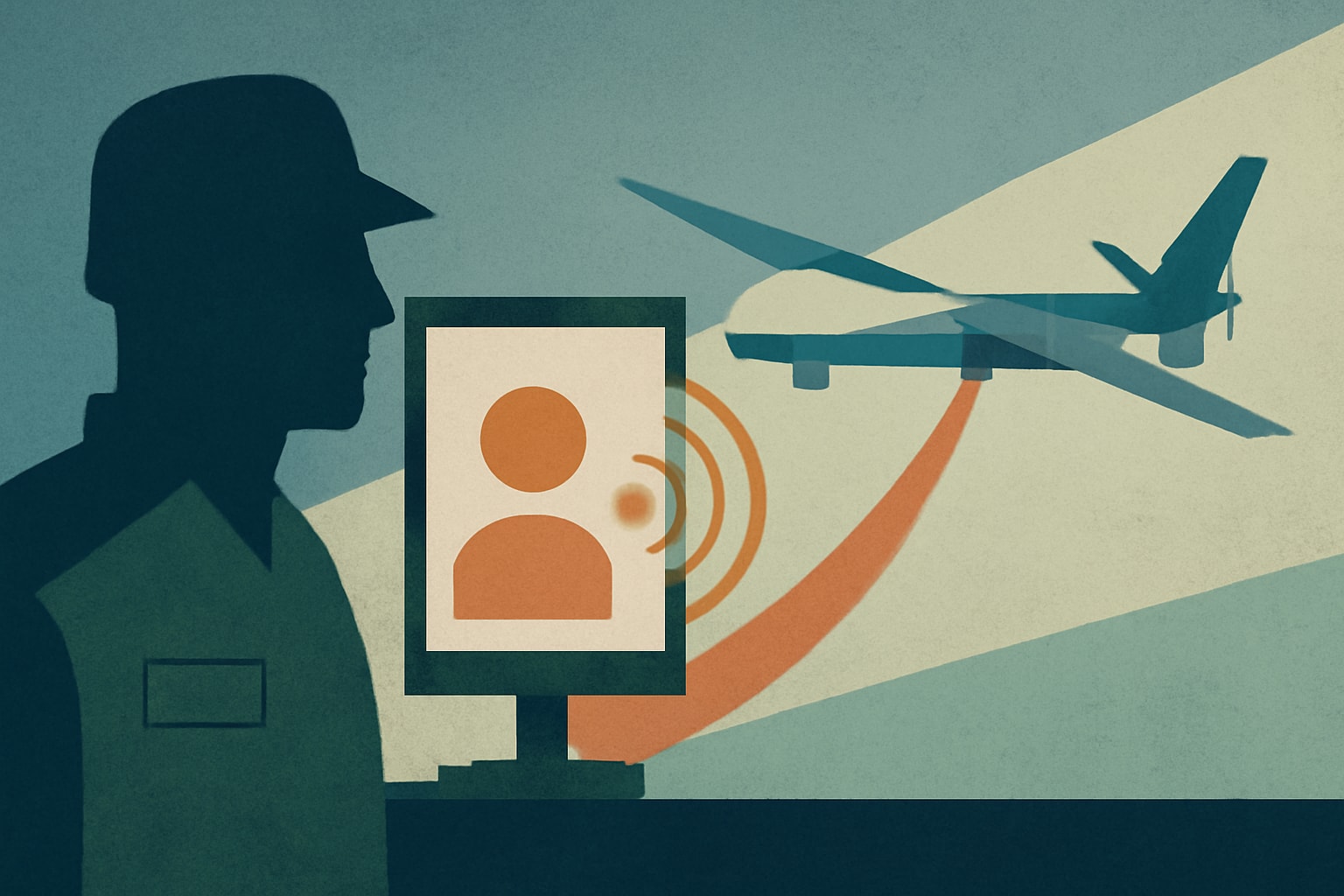
The U.S. military has launched the Autonomous Warfare Command to improve the integration and effectiveness of drone operations.
What's Happening
- •Defense Secretary Pete Hegseth announced the creation of the Autonomous Warfare Command (AutoWarCom).
- •The command will focus on integrating and enhancing military drone operations across all branches of the armed forces.
- •AutoWarCom aims to improve operational efficiency and effectiveness in autonomous warfare.
Why It Matters
The establishment of AutoWarCom signifies a pivotal shift in military strategy, emphasizing the importance of unmanned systems in future conflicts. For service members and veterans, this development may lead to new career opportunities and advancements in military technology, which can enhance operational effectiveness and safety in combat environments.
What Changes Now
- •The creation of AutoWarCom will lead to new protocols for drone operations. Service members involved in drone operations will need to familiarize themselves with these guidelines to ensure compliance and effectiveness.
- •Training programs will be developed to enhance the skills of personnel working with drones. This will provide opportunities for professional development and specialization in advanced drone technologies.
- •Units will receive improved support from drone operations, enhancing their situational awareness. This change is expected to directly impact mission success rates and operational safety.
What to Watch
- •Watch for the rollout of new training programs for drone operators by early next year. These programs will be crucial for integrating new technologies and operational protocols.
- •Keep an eye on the development of new operational guidelines from AutoWarCom. These guidelines will dictate how drones are utilized in various military operations.
- •Monitor upcoming assessments of drone integration effectiveness. The results of these assessments will inform future strategies and operational adjustments.
Get the Daily Briefing
Military and veteran news that actually affects you, in your inbox each morning.
More Context
- •Overview of the Autonomous Warfare Command: The newly established Autonomous Warfare Command (AutoWarCom) is designed to streamline and enhance the use of military drones in operations. Announced by Defense Secretary Pete Hegseth during his address at Marine Corps Base Quantico, the command will serve as a centralized hub for the integration of drone technologies across the U.S. military. This initiative reflects a growing recognition of the importance of unmanned systems in modern warfare, particularly in enhancing situational awareness and operational capabilities. By fusing various drone operations, AutoWarCom aims to create a more cohesive strategy that leverages the strengths of different military branches.
- •Implications for Military Operations: The establishment of AutoWarCom is expected to significantly impact how military operations are conducted, particularly in combat scenarios. By improving the coordination and deployment of drones, the command will enhance the ability of units to gather intelligence, conduct surveillance, and engage targets with precision. This shift is particularly relevant for units such as infantry battalions and reconnaissance teams, which will benefit from real-time data and support from advanced drone capabilities. As the military increasingly relies on unmanned systems, the command will play a crucial role in ensuring that these technologies are effectively integrated into operational planning.
- •Who Will Be Affected: Active duty service members across various ranks and specialties will be directly affected by the creation of AutoWarCom. Specifically, drone operators, intelligence analysts, and combat arms personnel will see changes in how they interact with drone technologies. For example, Air Force 1A8X1 personnel, who specialize in drone operations, will likely receive new training and guidelines under the command's directives. Additionally, Army infantry soldiers in combat roles may experience enhanced support from drone operations, improving their situational awareness and combat effectiveness.
- •Next Steps and Future Developments: As AutoWarCom begins its operations, several key developments are expected in the coming months. The command will be tasked with developing new protocols for drone usage, which will be rolled out to military units by early next year. Furthermore, ongoing assessments will be conducted to evaluate the effectiveness of drone integration in various operations. Service members should stay informed about upcoming training sessions and changes in operational procedures as the command implements its strategies.
Frequently Asked Questions
Does this affect Guard members on Title 10 orders?
Yes, the new command will impact all branches of the military, including National Guard members on Title 10 orders, as it seeks to standardize drone operations across the board.
Will my drone training change under AutoWarCom?
Yes, new training protocols will be introduced to enhance drone operation skills, which will be communicated to affected personnel in the coming months.
The Daily Briefing
Military & veteran news that actually affects you — delivered every morning.
- Pay, benefits & policy changes
- Pentagon decisions that matter
- VA updates for veterans & families
- One email. No spam. Unsubscribe anytime.
Related Stories
- Navy to Procure 30 Robotic Ships at an Average Cost of $40M Each— DefenseScoop
- US Air Force Awards $2.38B Contract for 22 F-15EX Aircraft— Military Times
- Navy Sticks with Electromagnetic Catapults for New Carriers— Navy Times
- Counter-ISIS Mission in Iraq Concludes as Focus Shifts to Syria— Task & Purpose