RAND Study: U.S. Navy Unable to Quickly Repair Ships in Conflict with China
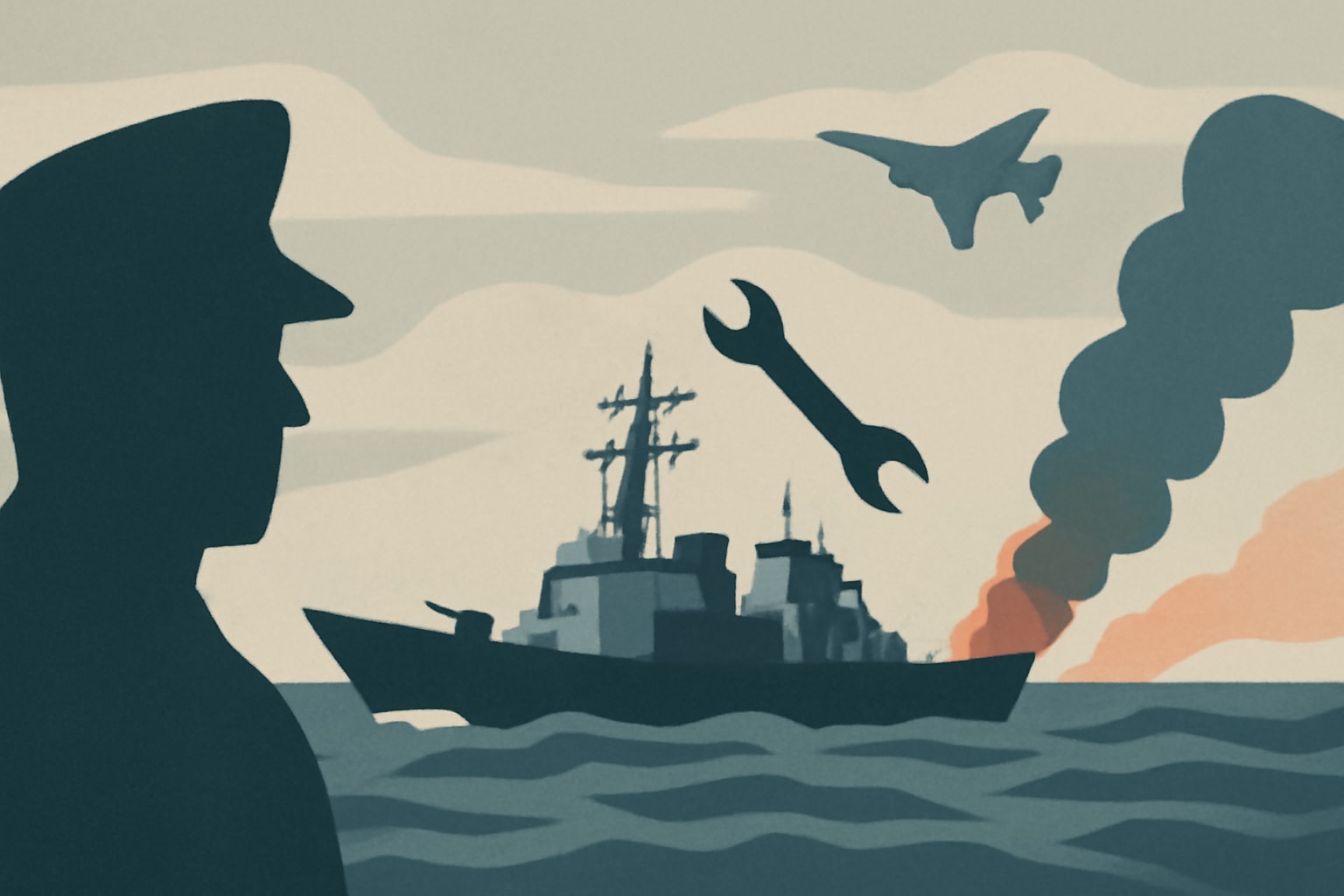
A new RAND study reveals that U.S. warships may struggle to return to combat after sustaining damage in a conflict with China.
What's Happening
- •A RAND study indicates that U.S. warships would face significant challenges in repair during a conflict with China.
- •The study highlights logistical and resource constraints that could hinder rapid repairs.
- •Current repair capabilities may not meet the demands of a prolonged naval engagement.
Why It Matters
The findings of this study are crucial for military readiness, especially as tensions with China continue to rise. For service members, understanding the implications of repair capabilities can impact their deployment expectations and overall morale.
What Changes Now
- •The Navy may need to reassess its maintenance and repair strategies to address the findings of the study. This could involve reallocating resources and prioritizing shipyard upgrades to enhance repair capabilities.
- •Active duty personnel might experience changes in deployment schedules as the Navy evaluates its readiness. This could lead to longer deployments or shifts in operational priorities.
- •Reserve and Guard members may see an increase in training and activation requirements to support active duty operations. This change could impact their civilian jobs and personal commitments.
What to Watch
- •Upcoming Navy budget proposals will likely reflect the need for enhanced repair capabilities. Monitoring these proposals will provide insight into the Navy's commitment to addressing the study's findings.
- •The Navy's strategic planning sessions in the coming months will address how to improve ship readiness. Stakeholders should pay attention to decisions made during these sessions as they will directly affect personnel and operations.
- •Potential partnerships with private shipyards may emerge as a solution to repair limitations. Observing how these partnerships develop will be critical for understanding future repair capabilities.
Get the Daily Briefing
Military and veteran news that actually affects you, in your inbox each morning.
More Context
- •Understanding the Study's Findings: The RAND Corporation's recent analysis emphasizes the vulnerabilities within the U.S. Navy's ship repair capabilities. It suggests that in the event of a conflict with China, especially in the Pacific theater, the Navy's ability to quickly repair and redeploy battle-damaged vessels would be severely limited. Factors contributing to this include outdated infrastructure, insufficient spare parts, and a lack of trained personnel. As the Navy continues to modernize its fleet, these logistical challenges must be addressed to ensure operational readiness.
- •Impact on Active Duty Personnel: Active duty personnel, particularly those in ship maintenance roles such as 00A (Navy Logistics) and 00B (Navy Engineering), will feel the effects of these findings. If ships cannot be repaired swiftly, sailors may face extended deployments or be unable to return to their home ports as scheduled. This could lead to increased stress on service members and their families, as the unpredictability of deployments may disrupt personal and family planning.
- •Implications for Reserve and Guard Members: Members of the Navy Reserve and National Guard, especially those in roles related to logistics and repair, may also be impacted by the findings of the RAND study. If active duty ships are unable to return to service, there may be an increased reliance on reserve units to fill operational gaps. This could lead to more frequent activations and training requirements for reservists, which may affect their civilian employment and personal lives.
- •Addressing the Challenges Ahead: In light of the study's findings, the Navy must prioritize investments in repair infrastructure and workforce training. This could involve increasing funding for shipyard upgrades and enhancing training programs for maintenance personnel. Additionally, establishing partnerships with private sector shipyards may help alleviate some of the repair burdens during a crisis. Ensuring that the Navy can rapidly return damaged ships to service is critical for maintaining maritime superiority in potential conflict scenarios.
Frequently Asked Questions
Does this study affect active duty sailors in combat roles?
Yes, the study highlights potential delays in ship repairs, which could impact deployment schedules for active duty sailors.
Will reserve members be called up more frequently due to this issue?
It's possible, as the Navy may rely more on reserve units to fill gaps if active ships are out of service for extended periods.
What can I do if I am affected by deployment changes?
Stay in communication with your chain of command and seek support resources available for service members and families.
Veteran Take
For those who've served, the readiness of our fleet is not just a matter of strategy; it's about the lives of our fellow service members. If our ships can't be repaired quickly in a conflict, it raises serious concerns about our ability to respond effectively and protect those on the front lines. Veterans navigating this will feel the weight of these findings, knowing that the implications extend beyond the seas and into the morale and safety of our troops.
The Daily Briefing
Military & veteran news that actually affects you — delivered every morning.
- Pay, benefits & policy changes
- Pentagon decisions that matter
- VA updates for veterans & families
- One email. No spam. Unsubscribe anytime.
Related Stories
- FEDVIP Dental Premiums to Rise 1%, Vision Premiums by 1.6% for 2027— Military.com
- Pentagon Threatens Universities Over Foreign Ties, Considers Audits— DefenseScoop
- France to Develop Next-Gen Combat Aircraft After FCAS Collapse— Defense News
- Pentagon Seeks $50 Billion for Mass Drone Production— Marine Corps Times