U.S. Conducts Airstrikes on Iran Following Ship Attacks
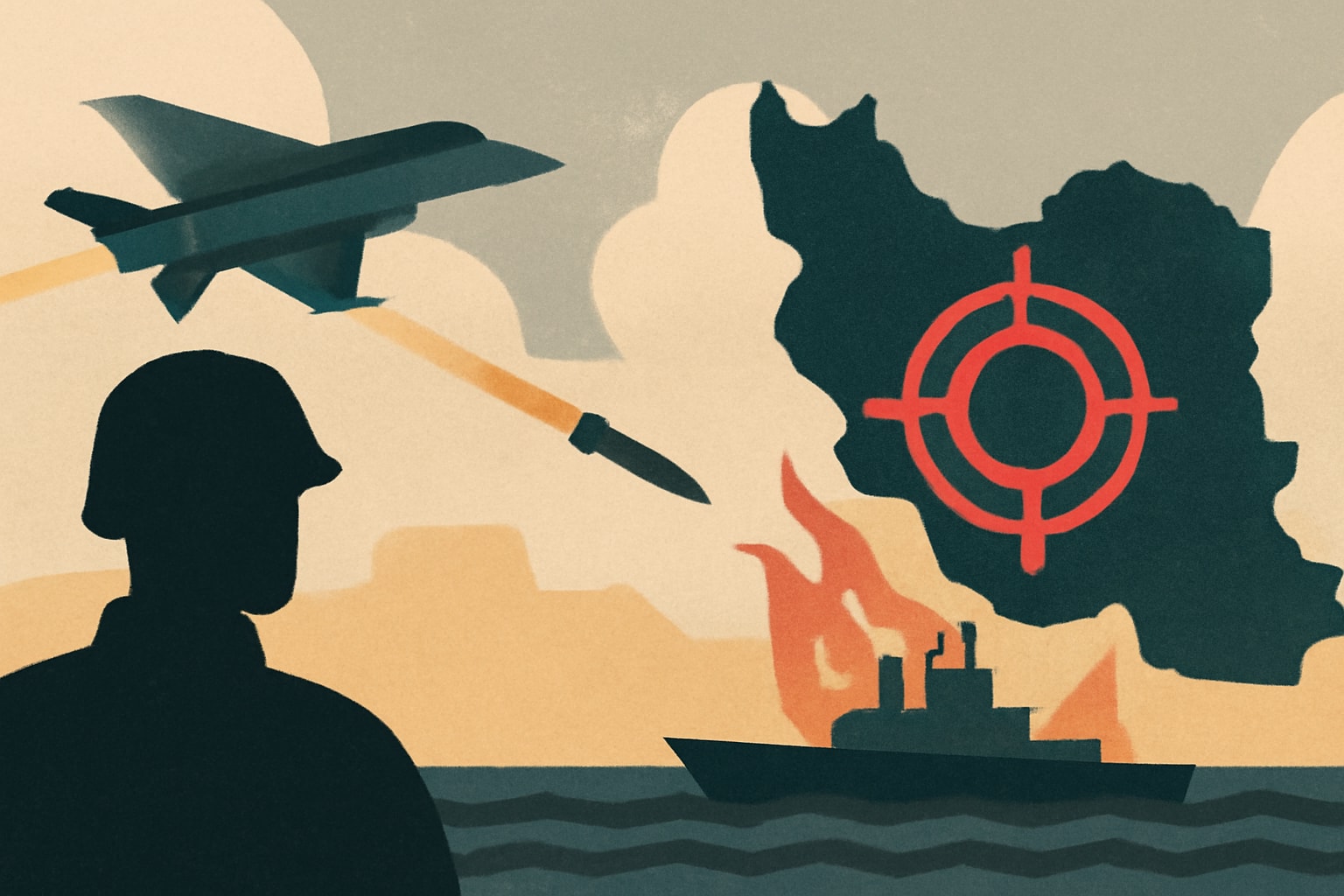
The U.S. military executed airstrikes against Iran as tensions escalate over the Strait of Hormuz.
What's Happening
- •The U.S. conducted airstrikes against Iranian targets on July 7, 2026.
- •These strikes follow a breakdown of a ceasefire related to disputes over the Strait of Hormuz.
- •Tensions have escalated due to recent attacks on ships in the region.
Why It Matters
For service members and veterans, these airstrikes signal a potential increase in military engagement in the Middle East. Understanding the implications of these actions is crucial for those with ties to the region or who may be deployed there in the future.
What Changes Now
- •U.S. forces in the region are likely to increase their operational readiness. This means more frequent training exercises and heightened alert status for personnel.
- •Units involved in maritime security may receive new directives to enhance their defensive capabilities. This could involve increased patrols and coordination with allied forces in the area.
- •Service members should prepare for possible changes in mission assignments or deployments. This is particularly relevant for those stationed at bases near the Strait of Hormuz.
What to Watch
- •Monitor updates from the Pentagon regarding operational changes. This will provide clarity on how military strategies may evolve in response to the situation.
- •Watch for potential diplomatic efforts to de-escalate tensions. The U.S. may engage in discussions with allies to address the ongoing conflict with Iran.
- •Keep an eye on developments in the Strait of Hormuz. Any further incidents involving shipping could lead to additional military responses.
Get the Daily Briefing
Military and veteran news that actually affects you, in your inbox each morning.
More Context
- •Overview of the Airstrikes: On July 7, 2026, the U.S. military launched a series of airstrikes targeting Iranian positions. This action comes after a series of maritime incidents in the Strait of Hormuz, where Iran has been accused of attacking commercial vessels. The airstrikes are part of a broader strategy to deter Iranian aggression and ensure the safety of international shipping routes. The U.S. has emphasized its commitment to maintaining freedom of navigation in this critical area.
- •Impact on Military Operations: These airstrikes may affect the operational tempo for U.S. forces in the region, particularly for those stationed at bases in the Persian Gulf. Active-duty personnel, especially Air Force pilots and Navy sailors, may see increased readiness levels as tensions rise. Units involved in maritime security operations are likely to receive additional directives to enhance their defensive postures. This could lead to more frequent patrols and heightened surveillance in the Strait of Hormuz.
- •Reactions from Military Leadership: Military leaders have expressed that these airstrikes are a necessary response to Iran's provocative actions. The Pentagon has reiterated its commitment to protecting U.S. interests and allies in the region. This stance may influence future military strategies and operations, particularly for those in the Central Command area of responsibility. Service members should be prepared for potential escalations and changes in mission parameters as the situation develops.
Frequently Asked Questions
Does this affect Guard members on Title 10 orders?
Yes, National Guard members on Title 10 orders may be called to support operations related to these airstrikes.
Will my BAH change if I move duty stations mid-year?
Your Basic Allowance for Housing (BAH) may change if you move to a new duty station, depending on the local housing market.
Veteran Take
For those who've served, the recent airstrikes against Iran bring back memories of past conflicts and the weight of military engagement. We understand that these decisions have real consequences, not just for those on the ground but also for families and communities back home. Veterans navigating this landscape must stay informed and prepared, as the implications of increased military action can affect us all.
The Daily Briefing
Military & veteran news that actually affects you — delivered every morning.
- Pay, benefits & policy changes
- Pentagon decisions that matter
- VA updates for veterans & families
- One email. No spam. Unsubscribe anytime.
Related Stories
- Air Force Successfully Tests New Sentinel ICBM Reentry Vehicle— Air & Space Forces Magazine
- B-2 Stealth Bomber Returns to Whiteman AFB After Depot Maintenance— Air & Space Forces Magazine
- Air Force and Space Force Set Historic Recruiting Goals for 2027— Air & Space Forces Magazine
- US Army Selects Five Companies for Advanced Missile Development— Military Times