U.S. Combatant Chiefs Advocate for Increased Amphibious Ready Groups
Military leaders emphasize the need for more Marine Expeditionary Units to bolster operational capabilities.
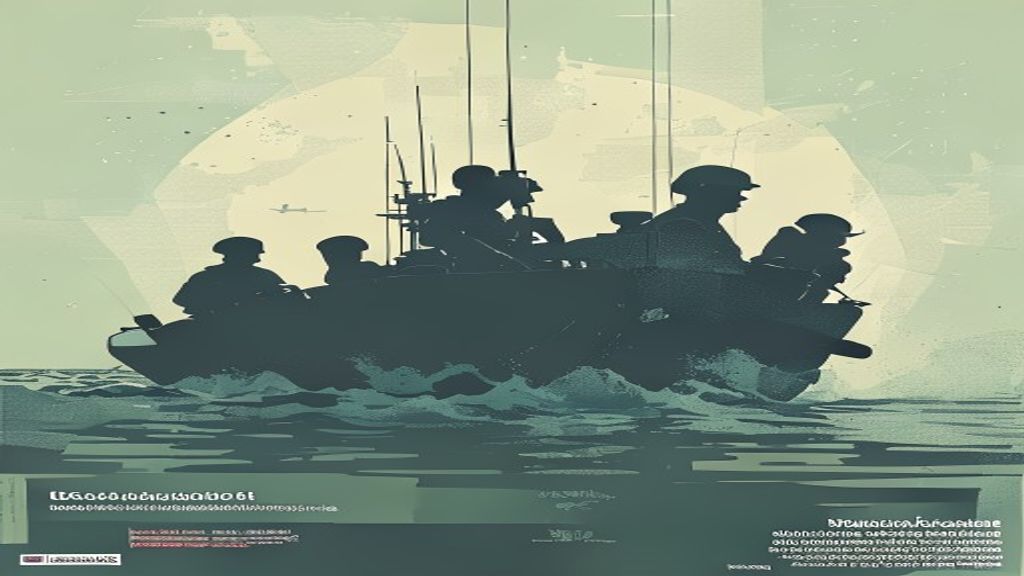
What's Happening
- •U.S. combatant chiefs have requested more amphibious ready groups.
- •The Marine commandant has confirmed this request for increased Marine Expeditionary Units.
- •This push aims to enhance military readiness and operational flexibility.
Why It Matters
The request for more amphibious ready groups highlights the U.S. military's commitment to maintaining operational readiness in the face of global challenges. For active-duty service members and veterans, this could translate into increased deployment opportunities and enhanced support for military operations.
What Changes Now
- •The U.S. military will begin assessing the feasibility of increasing amphibious ready groups. This assessment will involve evaluating current resources and operational needs.
- •Marine Expeditionary Units may see expanded roles in upcoming military exercises. This could lead to more training opportunities for service members and increased readiness.
- •Logistical planning will be initiated to support the expansion of these units. This includes determining ship availability and personnel requirements.
What to Watch
- •Watch for upcoming budget discussions regarding the expansion of amphibious ready groups. These discussions will involve key decision-makers in the Department of Defense.
- •Keep an eye on military exercises that may incorporate the expanded Marine Expeditionary Units. This will provide insight into how these changes are being implemented.
- •Monitor the response from Congress regarding funding for additional amphibious capabilities. Legislative support will be crucial for the success of this initiative.
Get the Daily Briefing
Military and veteran news that actually affects you, in your inbox each morning.
More Context
- •Rationale Behind the Request: The call for additional amphibious ready groups stems from evolving global threats and the need for rapid response capabilities. Combatant commanders have expressed concerns that current resources may not be sufficient to address multiple simultaneous crises.
- •Impact on Military Operations: Increasing the number of Marine Expeditionary Units is expected to improve the U.S. military's ability to project power and respond to contingencies. This enhancement could lead to more effective joint operations with other branches of the military and allied forces.
- •Logistical Considerations: Expanding amphibious ready groups will require careful planning and resource allocation. The U.S. Navy and Marine Corps will need to assess ship availability, personnel readiness, and training requirements to ensure these units can be deployed effectively.
- •Future Developments: As military leaders advocate for these changes, discussions will likely continue regarding budget allocations and strategic priorities. Stakeholders will be monitoring how these requests are integrated into future defense planning and operational strategies.
Veteran Take
For those who've served, the call for increased amphibious ready groups is a reminder of the ever-evolving nature of military readiness. We understand that more Marine Expeditionary Units could lead to more deployment opportunities, which can be both a source of pride and a challenge for service members and their families. As veterans, we recognize the importance of maintaining a strong operational presence, but we also hope that this push for readiness includes adequate support for those who have already answered the call.
The Daily Briefing
Military & veteran news that actually affects you — delivered every morning.
- Pay, benefits & policy changes
- Pentagon decisions that matter
- VA updates for veterans & families
- One email. No spam. Unsubscribe anytime.
Related Stories
- U.S. Army Confirms 19th Service Member Death in Iran Conflict— Military Times
- Collaborative Combat Aircraft Production Set to Increase Amid 2027 Budget Uncertainty— Air & Space Forces Magazine
- Air Force and Civilian Staff Dispute Future of China Aerospace Studies Institute— Military Times
- Pentagon Confirms Non-Hostile Death of Army Officer in Iran Operations— Task & Purpose