U.S. Coast Guard Seizes Over 225,000 Pounds of Cocaine in Eastern Pacific
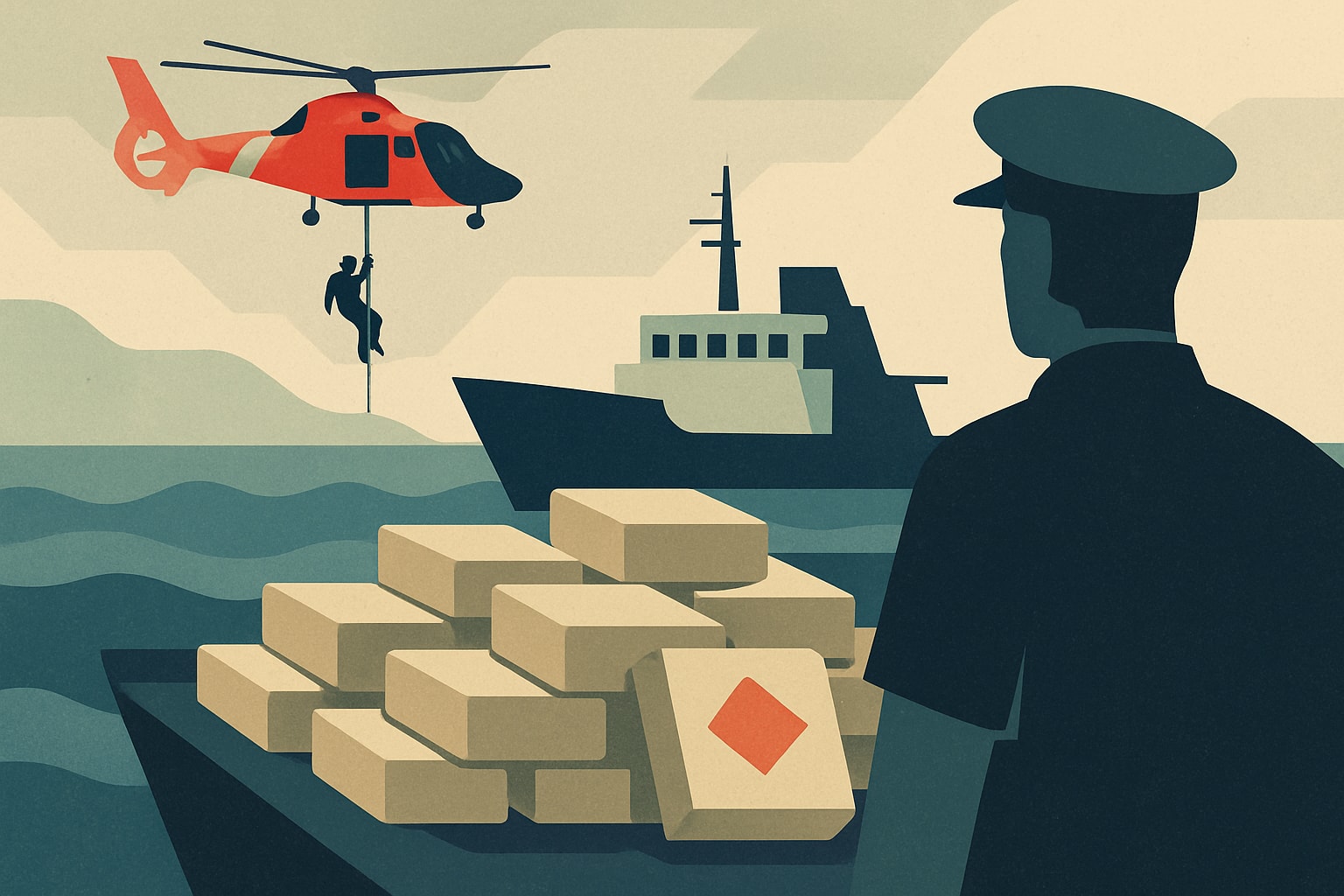
The U.S. Coast Guard Cutter Bear recently intercepted a significant cocaine shipment, marking a milestone in drug enforcement efforts.
What's Happening
- •The U.S. Coast Guard has seized over 225,000 pounds of cocaine in the eastern Pacific.
- •The milestone was reached when the Coast Guard Cutter Bear interdicted over 7,000 pounds of cocaine.
- •This operation is part of ongoing efforts to combat drug trafficking in international waters.
Why It Matters
This significant drug seizure by the U.S. Coast Guard highlights the ongoing battle against drug trafficking, a critical issue for national security. For service members, especially those in maritime roles, it emphasizes the importance of their work in protecting U.S. borders and combating organized crime.
What Changes Now
- •The Coast Guard may increase its operational tempo in drug interdiction efforts. This means that personnel could be deployed more frequently to combat drug trafficking in the Pacific.
- •There may be enhanced training programs for service members focused on drug enforcement tactics. This will help prepare them for future operations and improve their effectiveness in the field.
- •Increased funding may be allocated for Coast Guard operations following this successful seizure. This could lead to better resources and equipment for personnel involved in maritime law enforcement.
What to Watch
- •Monitor upcoming reports on drug interdiction operations from the Coast Guard. These reports will provide insights into ongoing efforts and future strategies.
- •Watch for potential changes in deployment schedules for Coast Guard personnel involved in law enforcement. These changes may arise from the increased focus on drug trafficking operations.
- •Keep an eye on legislative discussions regarding funding for the Coast Guard. Increased funding could enhance capabilities and resources for personnel engaged in drug interdiction.
Get the Daily Briefing
Military and veteran news that actually affects you, in your inbox each morning.
More Context
- •Significance of the Seizure: The recent seizure by the U.S. Coast Guard marks a significant achievement in the fight against drug trafficking. Over 225,000 pounds of cocaine intercepted demonstrates the Coast Guard's commitment to ensuring maritime security and disrupting the flow of illegal drugs. This operation not only protects U.S. borders but also contributes to international efforts to combat organized crime and drug cartels operating in the Pacific. The Cutter Bear's successful interdiction highlights the ongoing challenges faced by law enforcement agencies in curbing drug smuggling, particularly in vast oceanic regions.
- •Impact on Military Operations: The Coast Guard's drug interdiction efforts directly support military operations by enhancing national security. Active duty personnel, particularly those in maritime and law enforcement roles, are crucial in these operations. The successful seizure of such a large quantity of drugs can lead to increased funding and resources for the Coast Guard, potentially impacting future missions and operational readiness. Additionally, these efforts can foster greater collaboration between military and law enforcement agencies, creating a more unified approach to addressing drug trafficking.
- •What This Means for Service Members: For service members, especially those in the Coast Guard and other maritime branches, this operation underscores the importance of their role in national security. Active duty E-5 to E-7 personnel involved in law enforcement and anti-drug operations may see changes in their deployment schedules or mission priorities as a result of this successful seizure. Furthermore, service members can expect increased training and resources aimed at enhancing their capabilities in drug interdiction. This could lead to new opportunities for career advancement and specialized training in maritime law enforcement.
Frequently Asked Questions
Does this affect Guard members on Title 10 orders?
Yes, Guard members on Title 10 orders may be involved in joint operations with the Coast Guard in drug interdiction efforts.
Will my BAH change if I move duty stations mid-year?
Your Basic Allowance for Housing (BAH) may change if you move to a different location with a different BAH rate. It's essential to check the new rates for your new duty station.
Veteran Take
For those who've served, the Coast Guard's recent drug seizure is a stark reminder of the vital role our military plays in safeguarding the nation. We understand firsthand the dangers posed by organized crime and the importance of our efforts to keep drugs off the streets. This operation not only showcases the dedication of our service members but also reinforces the ongoing commitment we all share in protecting our communities and maintaining national security.
The Daily Briefing
Military & veteran news that actually affects you — delivered every morning.
- Pay, benefits & policy changes
- Pentagon decisions that matter
- VA updates for veterans & families
- One email. No spam. Unsubscribe anytime.
Related Stories
- FEDVIP Dental Premiums to Rise 1%, Vision Premiums by 1.6% for 2027— Military.com
- Pentagon Threatens Universities Over Foreign Ties, Considers Audits— DefenseScoop
- Army Adopts Venture Capital Strategies to Accelerate Tech Acquisition— Federal News Network
- DISA Faces Another Protest Over Enclave Contract Expansion— Federal News Network