US Army Tests Autonomous Mass Mine Laying Technology
The Army is advancing its Volcano mine dispenser with autonomous capabilities to enhance battlefield effectiveness.
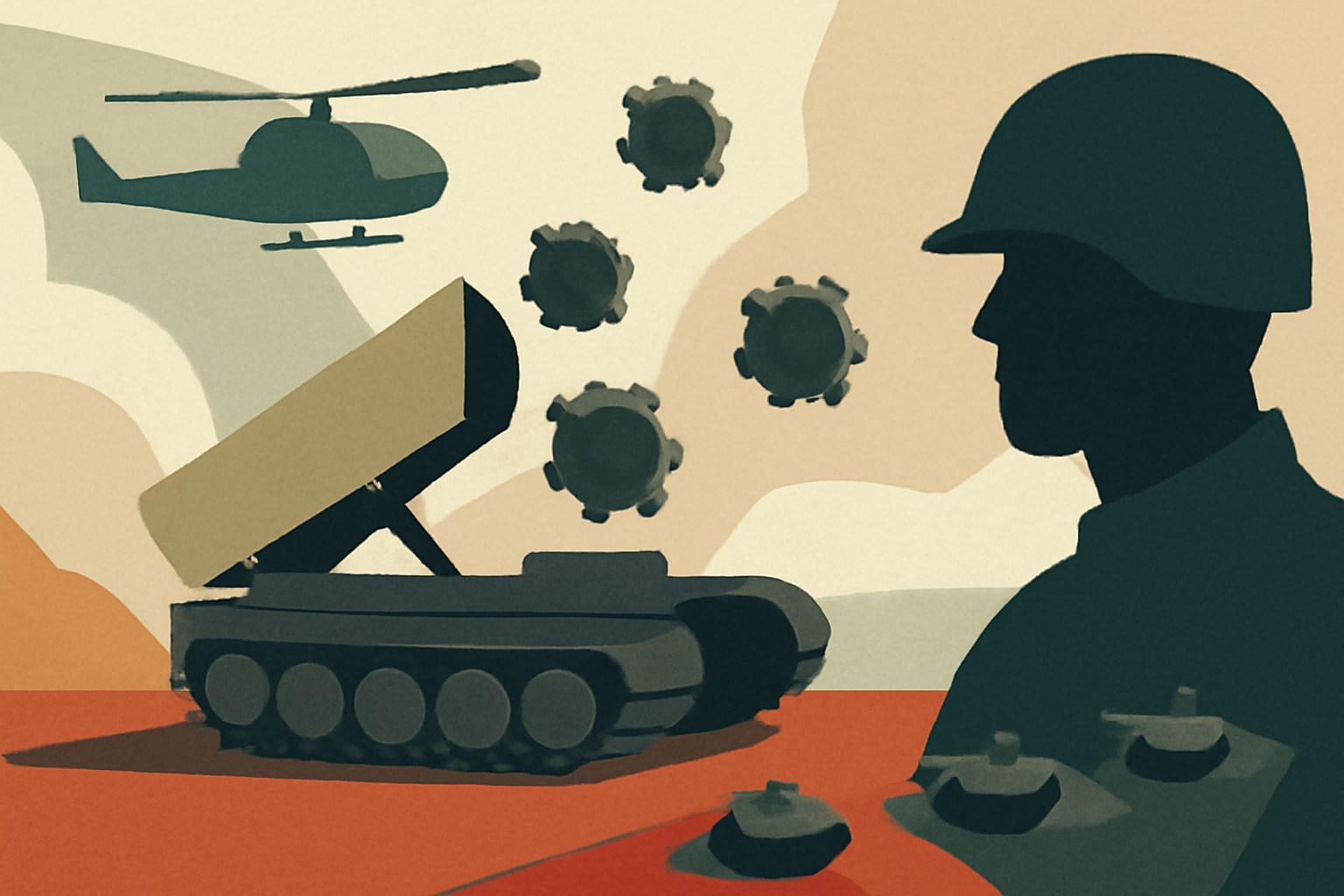
What's Happening
- •The U.S. Army is testing an autonomous version of its Volcano mine dispenser.
- •This technology can blanket 32 acres with up to 960 mines.
- •The tests aim to improve battlefield effectiveness and reduce risks to personnel.
Why It Matters
The introduction of autonomous mine-laying technology represents a significant shift in how the Army approaches battlefield strategy and personnel safety. For service members, particularly those in combat roles, this innovation could lead to more effective defensive operations while minimizing risks associated with manual mine deployment.
What Changes Now
- •The Army is shifting towards autonomous systems for mine deployment. This change could lead to new training requirements for soldiers in combat roles, emphasizing the need for familiarity with advanced technology.
- •Operational protocols will evolve as the Volcano mine dispenser undergoes testing. Soldiers will need to stay informed about updates and changes to mine warfare tactics.
- •The integration of autonomous systems may affect future military engagements. Understanding the ethical implications and operational procedures will be essential for all service members.
What to Watch
- •The results of the ongoing tests of the Volcano mine dispenser will be crucial. These results will determine the timeline for operational deployment and integration into existing systems.
- •Future training programs will be developed based on the outcomes of these tests. Soldiers should monitor announcements regarding new training requirements and schedules.
- •Ethical discussions surrounding autonomous weapons will likely intensify. Service members should stay informed about policy changes and their potential impact on military operations.
Get the Daily Briefing
Military and veteran news that actually affects you, in your inbox each morning.
More Context
- •Overview of the Volcano Mine Dispenser: The Volcano mine dispenser has been a critical asset for the U.S. Army, allowing for rapid deployment of anti-tank and anti-personnel mines in a wide area. By automating this process, the Army seeks to enhance operational efficiency, ensuring that troops can establish defensive perimeters more quickly and effectively. The autonomous version is designed to operate with minimal human oversight, which is crucial in high-risk environments where personnel safety is at stake.
- •Implications for Ground Forces: For active-duty soldiers, particularly those in combat arms roles such as 11B Infantrymen or 19K Armor Crewmen, this technology could significantly change operational tactics. The ability to deploy mines quickly and autonomously allows for greater flexibility in battlefield strategies, potentially leading to reduced casualties and improved mission success rates. However, it also raises questions about the ethical implications of autonomous weapon systems and their impact on military engagements.
- •Testing and Future Developments: The Army's testing phase for the autonomous Volcano mine dispenser is expected to yield data that will inform future developments in mine warfare technology. As the Army evaluates the effectiveness and reliability of this system, it will also consider how it integrates with existing platforms and strategies. The timeline for full operational capability remains uncertain, but ongoing assessments will guide future investments in similar technologies.
- •Training and Readiness for Soldiers: Soldiers in relevant MOSs will need to adapt to new training protocols as these technologies are integrated into the Army's arsenal. This includes understanding the operational parameters of the Volcano mine dispenser and the implications of using autonomous systems in combat. As these systems become standard, training programs will evolve to include simulations and hands-on experiences with the technology, ensuring that soldiers are prepared for its deployment.
Frequently Asked Questions
Will this technology change how we deploy mines?
Yes, the autonomous Volcano mine dispenser will allow for quicker and safer deployment of mines.
What training will be required for using this system?
Soldiers will need to undergo new training protocols focused on operating and understanding autonomous mine-laying technology.
How will this affect combat operations?
This technology could enhance operational efficiency and reduce risks to personnel during combat operations.
Veteran Take
For those who've served, the development of autonomous mine-laying technology raises important questions about the future of warfare and the safety of our troops. While these advancements may improve battlefield effectiveness and reduce risks for personnel, we must also consider the ethical implications and the potential for unintended consequences in complex combat environments. Veterans navigating this evolving landscape will need to advocate for responsible use and oversight of such technologies to ensure they serve to protect, rather than complicate, our mission.
The Daily Briefing
Military & veteran news that actually affects you — delivered every morning.
- Pay, benefits & policy changes
- Pentagon decisions that matter
- VA updates for veterans & families
- One email. No spam. Unsubscribe anytime.
Related Stories
- Watchdog Report Reveals Security Flaws in Pentagon Wireless Services— Task & Purpose
- Marine Corps Invests $19.25 Million in Electric Seaglider Technology— Military.com
- NATO Commander Asserts Alliance's Readiness to Respond to Threats— Military.com
- Pentagon Modifies Online Portal for Reporting U.S. Military Casualties— DefenseScoop