US Army Practices Digging Temporary Battlefield Graves
The Army is preparing for the grim task of burying fallen soldiers on the battlefield by testing grave-digging techniques.
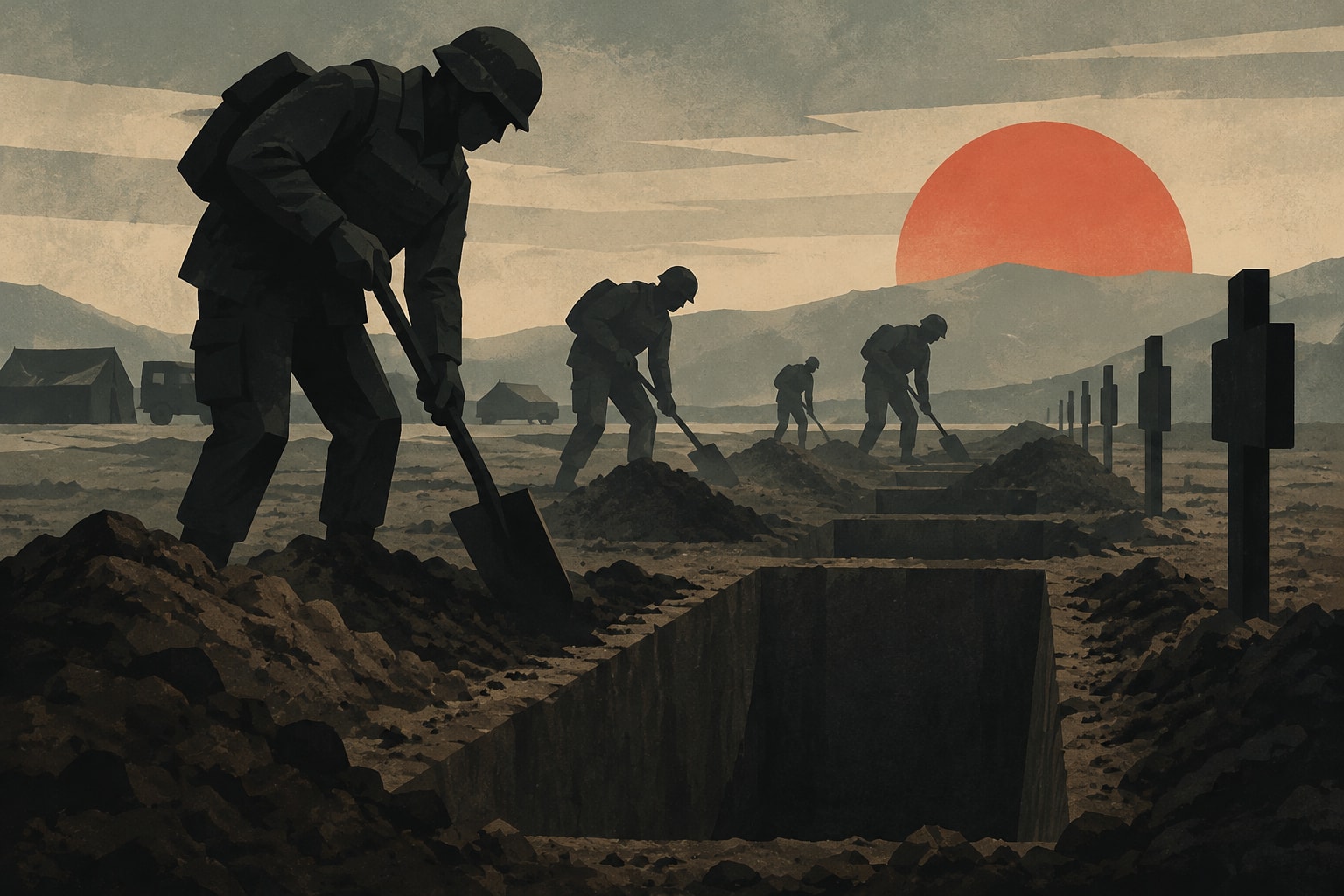
What's Happening
- •The Army is conducting training exercises focused on digging temporary graves for fallen soldiers.
- •These exercises aim to ensure remains can be preserved for identification and return to families.
- •The training reflects the Army's preparation for potential future conflicts.
Why It Matters
The Army's preparation for battlefield graves is a critical aspect of military readiness and reflects a deep respect for those who serve. By ensuring that fallen soldiers are treated with dignity, the Army reinforces its commitment to service members and their families during the most challenging times.
What Changes Now
- •The Army is implementing new training protocols for grave digging. This training will be rolled out to combat units over the next quarter to ensure all personnel are prepared.
- •Soldiers will receive instruction on the proper techniques for preserving remains. This knowledge is essential for maintaining the integrity of identification processes post-conflict.
- •Increased emphasis will be placed on mental health support for soldiers involved in these exercises. This is crucial to help them cope with the emotional weight of such responsibilities.
What to Watch
- •Upcoming training sessions will be scheduled for infantry and special operations units. These sessions will begin in early 2027 and will be crucial for operational readiness.
- •The Army may release guidelines on the psychological support available for soldiers involved in casualty management. This could be announced in conjunction with the training rollout.
- •Monitoring of family communication protocols will be essential. The Army is expected to issue a statement on how families will be informed of their loved ones' status during conflicts.
Get the Daily Briefing
Military and veteran news that actually affects you, in your inbox each morning.
More Context
- •Purpose of the Training: The Army's recent training exercises on digging temporary graves underscore the somber reality of battlefield casualties. With the potential for rapid deployments and intense combat scenarios, the Army is prioritizing the ability to quickly and efficiently manage the remains of fallen soldiers. This initiative is not just about logistics; it’s also about honoring the deceased and ensuring that their families receive their loved ones' remains for proper burial.
- •Training Techniques and Procedures: During these exercises, soldiers are being trained on specific techniques for digging graves that minimize the disturbance to remains, allowing for future identification. The training includes the use of specialized tools and methods designed to expedite the process while maintaining respect for the deceased. This preparation is crucial, as it reflects a commitment to uphold the dignity of service members even in their final moments.
- •Implications for Service Members: Active duty soldiers, especially those in combat roles such as infantry (11B) and special operations forces (18 series), will be directly impacted by these practices. Understanding the procedures for handling casualties in the field is essential for maintaining morale and operational effectiveness. Moreover, this training highlights the importance of mental preparedness for the harsh realities of combat, which can affect service members' psychological well-being.
- •What Families Should Know: For military families, this initiative may raise concerns about the treatment of their loved ones in the event of a battlefield casualty. The Army is committed to ensuring that remains are handled with the utmost care and respect, and families can expect thorough communication regarding the status of their loved ones. This training also emphasizes the Army's recognition of the emotional toll that such losses take on families, reinforcing their commitment to honor and support them.
Frequently Asked Questions
Does this affect Guard members on Title 10 orders?
Yes, Guard members activated under Title 10 orders will also undergo similar training to ensure they are prepared for battlefield scenarios.
Will my unit receive this training soon?
Units in combat roles are prioritized for this training, with sessions expected to begin in early 2027.
The Daily Briefing
Military & veteran news that actually affects you — delivered every morning.
- Pay, benefits & policy changes
- Pentagon decisions that matter
- VA updates for veterans & families
- One email. No spam. Unsubscribe anytime.
Related Stories
- DoD Issues Guidance for Procuring ‘Unbiased’ AI Systems— Federal News Network
- Air Force Tests New Rocket Cargo System to Resupply Deployed Troops— Task & Purpose
- Pentagon Bans Troops from Using Insider Information for Betting— Task & Purpose
- Hegseth Warns Troops Against Using Military Information for Gambling— DefenseScoop