Army and Navy Research Labs Team Up to Combat Arctic Cold
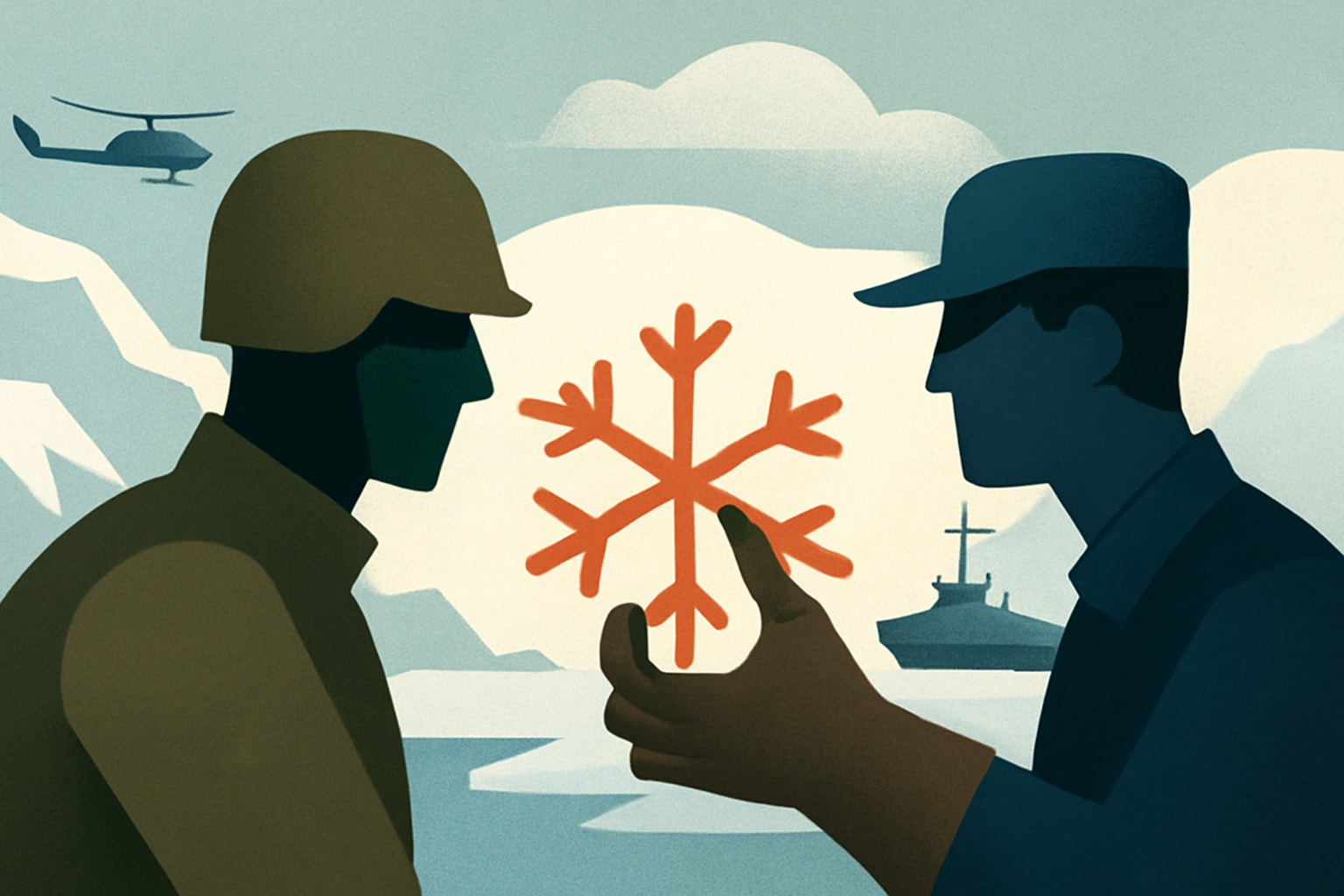
The Department of Defense is enhancing its capabilities for Arctic operations with new equipment designed for extreme cold.
What's Happening
- •The Army and Navy research labs are collaborating to develop equipment for Arctic operations.
- •New gear is designed to function in temperatures as low as -50 degrees Fahrenheit.
- •The initiative aims to improve military readiness in extreme cold environments.
Why It Matters
The Arctic is becoming a focal point for military strategy due to its geopolitical significance and the challenges posed by climate change. For service members, having reliable equipment that can withstand extreme cold is essential for mission success and personal safety in these harsh environments.
What Changes Now
- •The Army and Navy are initiating joint research projects to develop cold-weather gear. This collaboration will lead to improved equipment for troops serving in Arctic conditions.
- •Service members will receive new gear designed for extreme temperatures. This change is expected to enhance their operational effectiveness and safety during missions.
- •Testing of new equipment is set to begin in the coming months. Personnel in cold-weather units will be prioritized for receiving and testing these innovations.
What to Watch
- •Upcoming field tests for the new Arctic gear are scheduled for early next year. These tests will provide critical data on the effectiveness of the equipment under real-world conditions.
- •The Department of Defense plans to release a report on the findings from the research collaboration. This report will outline the next steps for equipment deployment and further development.
- •Joint training exercises focused on Arctic operations are expected to increase in frequency. This will ensure that service members are adequately prepared for potential deployments in the region.
Get the Daily Briefing
Military and veteran news that actually affects you, in your inbox each morning.
More Context
- •The Need for Arctic Readiness: As global climate patterns shift, the Arctic region is becoming increasingly significant for military operations. The Department of Defense recognizes that to maintain strategic advantages, it must ensure that its equipment can withstand extreme cold conditions. This collaboration between the Army and Navy is a proactive measure to enhance operational capabilities in one of the most challenging environments on Earth.
- •Technical Innovations and Equipment Development: The joint efforts of the Army and Navy research labs focus on innovating equipment that can endure temperatures as low as -50 degrees Fahrenheit. This includes testing materials and designs that not only provide warmth but also maintain functionality in severe weather. The development process will involve rigorous field tests to ensure reliability and performance, which is critical for troops deployed in Arctic regions.
- •Impact on Service Members: Active duty personnel, particularly those in cold-weather units such as the 10th Mountain Division and Special Forces, will directly benefit from these advancements. The enhanced gear will improve their operational effectiveness and safety during missions in Arctic conditions. Additionally, National Guard members who may be called to assist in Arctic operations will also see improvements in their equipment, ensuring they are fully prepared for deployment.
- •Future Outlook and Strategic Implications: The collaboration between the Army and Navy is just the beginning of a larger strategy to enhance U.S. military capabilities in the Arctic. As tensions rise in this region, maintaining a robust presence will be vital for national security. Future developments will likely include more joint exercises and training programs focused on Arctic readiness, which will further integrate the capabilities of both branches of the military.
Frequently Asked Questions
Will this new equipment be available for all service members?
Initially, the new cold-weather gear will be prioritized for active duty personnel in cold-weather units, but plans may expand to include other service members based on operational needs.
How will this affect training for Arctic deployments?
Training programs will be updated to incorporate the use of the new gear, ensuring that service members are familiar with the equipment before deployment.
The Daily Briefing
Military & veteran news that actually affects you — delivered every morning.
- Pay, benefits & policy changes
- Pentagon decisions that matter
- VA updates for veterans & families
- One email. No spam. Unsubscribe anytime.
Related Stories
- Air Force Airman Confirmed Dead After Fall During College Football Event— Military.com
- Amelia Earhart's Plane May Be Closer to Discovery After 89 Years— Military.com
- US Army to Address Parents’ Blocked Access to Teen Medical Records— Military Times
- Army and Navy Research Labs Collaborate to Tackle Arctic Cold— Military Times