US Army Integrates Veterinarians into Human Combat Care
The Army aims to better utilize veterinarians in combat medicine for potential large-scale operations in the Indo-Pacific.
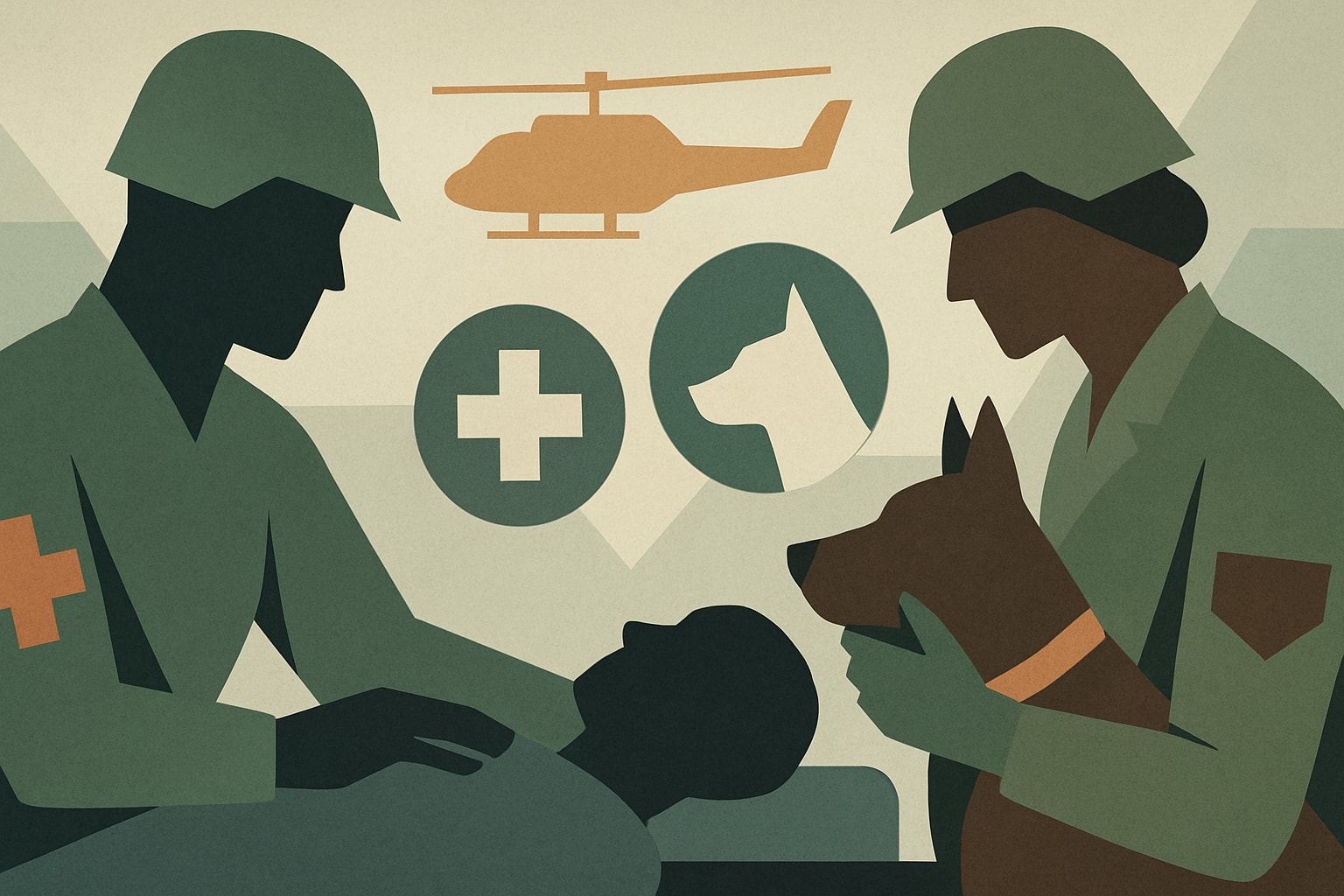
What's Happening
- •The Army is integrating veterinarians into human combat care.
- •This change is part of a strategy to prepare for large-scale operations in the Indo-Pacific region.
- •Veterinarians will play a crucial role in enhancing medical readiness on the battlefield.
Why It Matters
Integrating veterinarians into combat medicine represents a significant shift in how the Army prepares for future conflicts, particularly in the Indo-Pacific region. This change not only enhances medical readiness but also acknowledges the value of diverse skill sets in military operations, which can lead to better outcomes for service members and animals alike.
What Changes Now
- •Veterinarians will begin receiving training tailored for combat medical roles. This training will include essential skills in trauma care and emergency response, ensuring they are prepared for battlefield conditions.
- •The Army will implement new protocols for integrating veterinarians into medical teams. This will enhance the Army's ability to provide comprehensive care during operations, addressing both human and animal needs.
- •Veterinarians will be deployed alongside medical teams in upcoming exercises. Their involvement will help assess the effectiveness of this integration and refine future strategies.
What to Watch
- •Upcoming training sessions for veterinarians in combat medicine are scheduled for the next quarter. These sessions will provide insight into how the integration process is unfolding.
- •The Army will evaluate the impact of veterinarians in combat roles during upcoming large-scale exercises. This evaluation will inform future policies and operational strategies.
- •Feedback from service members involved in these operations will be collected and analyzed. This feedback will be crucial for making adjustments to training and integration efforts.
Get the Daily Briefing
Military and veteran news that actually affects you, in your inbox each morning.
More Context
- •The Role of Veterinarians in Combat Medicine: Veterinarians have traditionally focused on animal care, but their skills are increasingly recognized as vital in combat situations. The Army plans to leverage their expertise in trauma care, triage, and logistical support for medical operations. By integrating veterinarians, the Army aims to improve overall medical readiness and efficiency during large-scale military engagements.
- •Training and Implementation: To facilitate this integration, the Army will provide specialized training for veterinarians to prepare them for combat medical roles. This training will include courses on human anatomy, trauma care, and emergency response protocols. The goal is to ensure that veterinarians can seamlessly transition into roles that support both human and animal care in combat settings.
- •Impact on Military Operations: The inclusion of veterinarians in combat care is expected to enhance the Army's operational capabilities. By having a diverse medical team, the Army can ensure comprehensive care for both service members and working animals. This approach is particularly crucial in the Indo-Pacific, where rapid response and adaptability are essential in dynamic combat environments.
- •Future Considerations: As the Army moves forward with this initiative, it will be important to monitor the effectiveness of integrating veterinarians into combat roles. Feedback from those involved in these operations will be critical in refining training programs and operational protocols. Additionally, the Army will need to assess how this integration impacts overall medical readiness and mission success.
Frequently Asked Questions
Does this affect Guard members on Title 10 orders?
Yes, veterinarians in the National Guard can be integrated into combat care roles when activated under Title 10 orders.
Will my role change if I am a veterinarian in the Army?
Yes, veterinarians will receive additional training to prepare for combat medical roles, expanding their responsibilities.
How will this integration improve medical care in the field?
Integrating veterinarians will enhance the medical team's capabilities, allowing for more comprehensive care for both service members and working animals.
Veteran Take
For those who've served, the integration of veterinarians into combat care highlights the importance of adaptability in military strategy. This move not only underscores the diverse skill sets that can enhance our operational effectiveness but also reflects a growing recognition of the bond between service members and the animals they care for. Veterans navigating this evolving landscape will likely appreciate how such changes can lead to improved outcomes in both human and animal health during critical missions.
The Daily Briefing
Military & veteran news that actually affects you — delivered every morning.
- Pay, benefits & policy changes
- Pentagon decisions that matter
- VA updates for veterans & families
- One email. No spam. Unsubscribe anytime.
Related Stories
- Agencies Must Integrate Smart Identity Cards for Post-Quantum Cryptography— Federal News Network
- National Guard Responds to Troops Near DC Ballot Drop Box Incident— Task & Purpose
- USS George HW Bush Aircraft Carrier Docks in Thailand After Middle East Operations— Task & Purpose
- Taiwan Receives First Two F-16V Fighter Jets to Strengthen Defense— Defense News