US Army Fugitive Arrested in Spain After Decades on the Run
A former U.S. Army soldier convicted of rape and desertion has been arrested in Spain nearly 30 years after fleeing his unit.
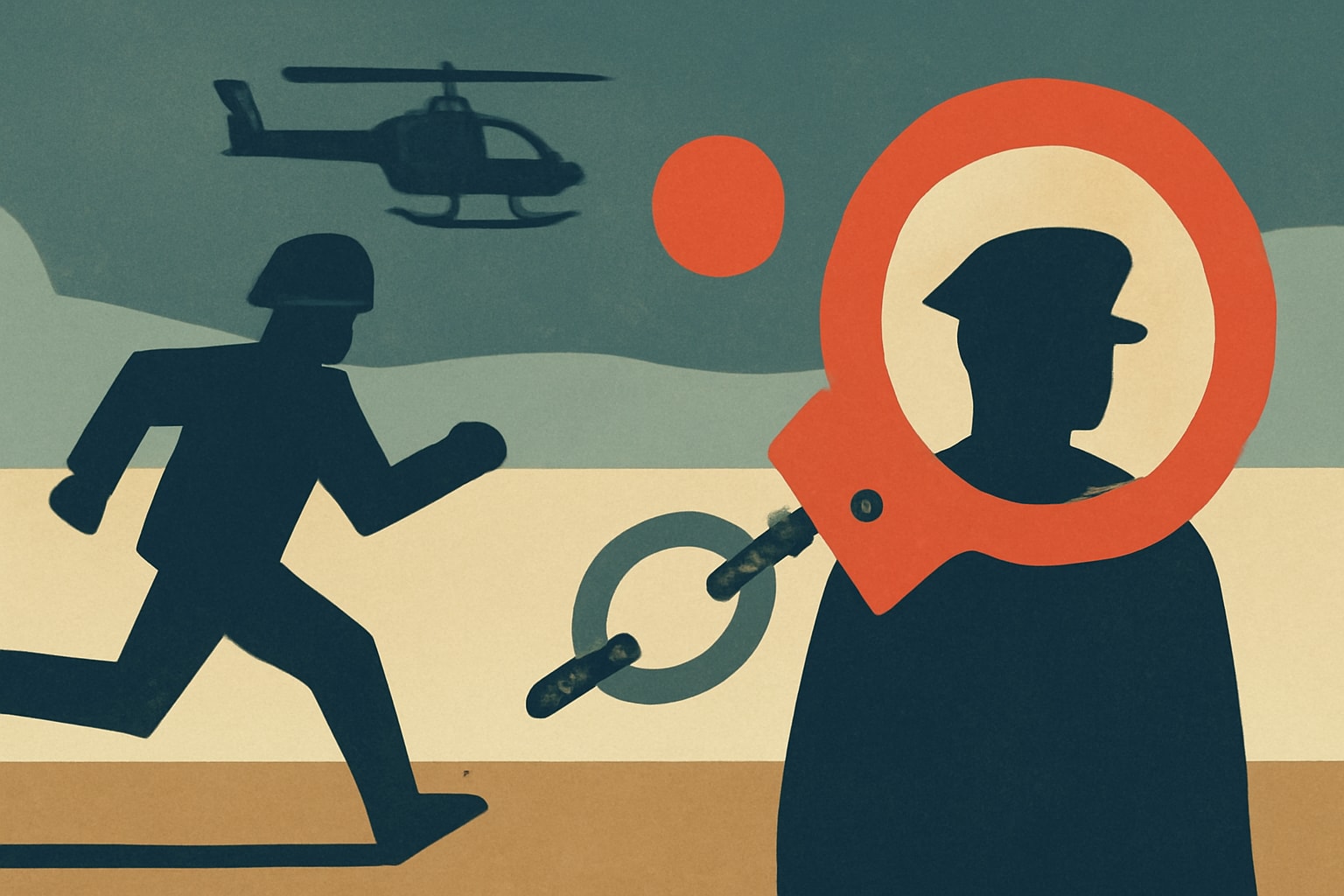
What's Happening
- •A former U.S. Army soldier was arrested in Spain after 30 years of evading law enforcement.
- •The soldier was convicted of rape, desertion, and indecent assault.
- •His arrest marks a significant development in a long-standing case.
Why It Matters
The arrest of a fugitive U.S. Army soldier underscores the ongoing challenges within military justice and accountability. For active-duty service members and veterans, this case serves as a critical reminder of the legal consequences of serious offenses and the importance of maintaining integrity within the ranks.
What Changes Now
- •The arrest signifies that military justice continues to pursue those who evade accountability. This could lead to increased scrutiny of military personnel who go AWOL or commit serious crimes.
- •Service members may need to reassess their understanding of legal consequences tied to their actions. Awareness of the potential for civilian prosecution can impact decision-making in high-stress situations.
- •This case may prompt military leadership to review policies on tracking and prosecuting deserters. Such reviews could lead to changes in how military law enforcement operates.
What to Watch
- •Watch for updates on the extradition process for the fugitive. This will determine how quickly he will face justice in the U.S.
- •Monitor potential changes in military justice policies that may arise from this case. Discussions among military leaders could lead to new protocols for handling similar situations.
- •Keep an eye on community responses from veterans' organizations regarding this case. Their perspectives may influence public opinion and policy discussions.
Get the Daily Briefing
Military and veteran news that actually affects you, in your inbox each morning.
More Context
- •Background on the Fugitive: The fugitive, a former soldier who served in the U.S. Army, was convicted of multiple serious offenses, including rape and desertion, nearly three decades ago. After fleeing his unit in Germany, he managed to evade capture for years, leading to an extensive international manhunt. His case highlights the challenges military law enforcement faces in tracking down service members who go AWOL and commit serious crimes.
- •Implications for Military Justice: This arrest raises important questions about military justice and the accountability of service members. The military justice system has specific protocols for handling cases of desertion and serious crimes, and this case may prompt a review of how such cases are pursued. Active-duty personnel and veterans should be aware that the consequences of serious offenses can extend beyond military courts and into civilian jurisdictions.
- •Impact on Service Members: The arrest of this fugitive serves as a reminder to current service members about the importance of accountability and the potential long-term consequences of their actions. For those in the military, understanding the legal ramifications of their conduct is crucial, especially for those in sensitive roles such as combat arms or military police. This case may also encourage discussions about mental health resources and support systems for service members facing challenges.
- •What Comes Next?: Following the arrest, the former soldier will likely face extradition proceedings to return to the United States to serve his sentence. This process can take time, depending on the legal frameworks in place between the U.S. and Spain. Service members and veterans should monitor updates on this case, as it may influence future policies regarding military justice and accountability.
Frequently Asked Questions
What happens to deserters when they are caught?
Deserters can face serious legal consequences, including court-martial and imprisonment.
Can military personnel be prosecuted in civilian courts?
Yes, military personnel can be prosecuted in civilian courts for serious crimes, especially if they are committed off-base.
How does this affect veterans with criminal records?
Veterans with criminal records may face challenges in accessing benefits and employment opportunities.
Veteran Take
For those who've served, this arrest is a stark reminder that actions have consequences, even decades later. It highlights the importance of accountability within our ranks and serves as a wake-up call for all veterans to uphold the integrity that our service demands. We must remember that our choices reflect on the entire military community, and running from responsibility only deepens the wounds of those affected.
The Daily Briefing
Military & veteran news that actually affects you — delivered every morning.
- Pay, benefits & policy changes
- Pentagon decisions that matter
- VA updates for veterans & families
- One email. No spam. Unsubscribe anytime.
Related Stories
- FEDVIP Dental Premiums to Rise 1%, Vision Premiums by 1.6% for 2027— Military.com
- Pentagon Threatens Universities Over Foreign Ties, Considers Audits— DefenseScoop
- US Army Expands Dining Options to Fit Modern Soldier Schedules— Military Times
- Thales Australia Unveils Big-Rig Robot to Revolutionize Battlefield Logistics— Defense News