U.S. Arms Sales Pause Could Shift Taiwan Towards Asymmetric Defense Strategies
Analysts warn that a halt in U.S. arms sales may push Taiwan to adopt unconventional defense technologies.
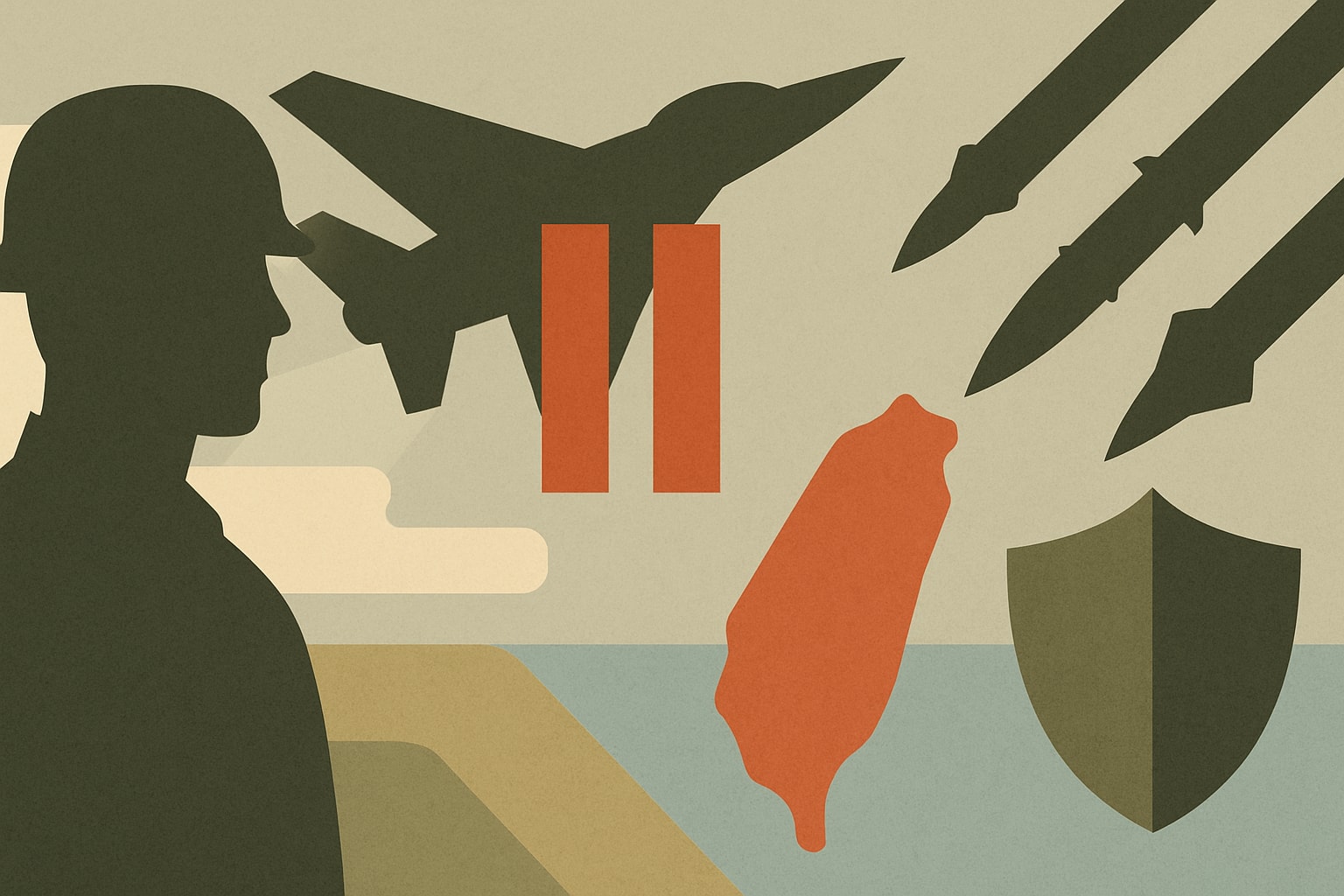
What's Happening
- •The U.S. may pause arms sales to Taiwan as part of negotiations with China.
- •This pause raises concerns about Taiwan's ability to procure necessary defense systems.
- •Analysts suggest Taiwan might pivot towards asymmetric defense technologies.
Why It Matters
The potential pause in U.S. arms sales to Taiwan highlights the ongoing tensions in the Asia-Pacific region and the strategic importance of Taiwan's defense capabilities. For active-duty service members and veterans, understanding these dynamics is crucial as they may influence future military engagements and defense strategies in the region.
What Changes Now
- •The U.S. may halt arms sales to Taiwan as part of broader negotiations with China. This change could limit Taiwan's access to critical defense systems and technologies.
- •Taiwan's military may begin to prioritize asymmetric defense strategies. This shift will require training and adaptation to new technologies and tactics.
- •U.S. defense contractors may need to reconsider their offerings to align with Taiwan's evolving defense posture. This could affect contracts and partnerships moving forward.
What to Watch
- •Monitor announcements from the U.S. government regarding arms sales to Taiwan. These decisions will be influenced by ongoing negotiations with China and could change rapidly.
- •Watch for Taiwan's military response to the potential shift in defense strategy. Their adaptation to asymmetric technologies will be critical for future military readiness.
- •Keep an eye on the regional security landscape in the Asia-Pacific. Developments in U.S.-China relations will have significant implications for Taiwan's defense posture.
Get the Daily Briefing
Military and veteran news that actually affects you, in your inbox each morning.
More Context
- •Potential Shift in Defense Strategy: The potential pause in U.S. arms sales to Taiwan could significantly alter the island's defense strategy. Analysts believe that without access to conventional weaponry, Taiwan may increasingly focus on asymmetric defense technologies, which prioritize cost-effective and innovative solutions to counter larger military forces. This shift could involve investing in advanced cyber capabilities, drone warfare, and other technologies that enable smaller forces to effectively engage a more powerful adversary.
- •Implications for Military Readiness: For service members in Taiwan, particularly those in the Republic of China Armed Forces, this change could impact training and operational readiness. As Taiwan pivots towards asymmetric capabilities, military personnel may need to adapt to new tactics and technologies that differ from traditional warfare paradigms. This transition could also affect the morale and preparedness of troops who may feel uncertain about their future capabilities.
- •Who Will Be Affected?: Active duty personnel, particularly those in leadership positions within Taiwan's military, will face the most immediate impact from these changes. Additionally, U.S. military advisors and defense contractors who work closely with Taiwan may need to adjust their strategies and offerings to align with Taiwan's evolving defense posture. This situation underscores the interconnectedness of U.S.-Taiwan relations and the importance of maintaining a robust defense partnership.
- •What to Watch Moving Forward: As negotiations between the U.S. and China progress, it will be crucial to monitor any announcements regarding arms sales to Taiwan. The timeline for these negotiations remains uncertain, but key decision-makers in Washington will play a vital role in shaping the future of U.S.-Taiwan defense relations. Additionally, the response from Taiwan's military and its adaptation to asymmetric strategies will be critical indicators of how effective this shift will be in the face of regional threats.
Frequently Asked Questions
Does this affect Guard members on Title 10 orders?
Yes, any changes in U.S. arms sales to Taiwan could indirectly affect Guard members involved in training or operations related to Taiwan's defense.
Will my BAH change if I move duty stations mid-year?
Your Basic Allowance for Housing (BAH) may change based on the new duty station's location and its corresponding BAH rates.
Veteran Take
For those who've served, the shifting dynamics in U.S. arms sales to Taiwan raise significant concerns about regional stability and our commitments to allies. Veterans navigating this situation understand that any pause in support could embolden adversaries and force Taiwan to rethink its defense strategies, potentially putting our broader security interests at risk. It's a reminder that the decisions made at the policy level can have real consequences for those of us who have dedicated our lives to protecting freedom and security.
The Daily Briefing
Military & veteran news that actually affects you — delivered every morning.
- Pay, benefits & policy changes
- Pentagon decisions that matter
- VA updates for veterans & families
- One email. No spam. Unsubscribe anytime.
Related Stories
- Army Releases ‘Know the Threat’ Guide on Iranian Soldiers— Task & Purpose
- U.S. Army Awards $43 Million for New Software Platform on Classified Materials— Military Times
- AUSA 2026 Annual Meeting: What to Expect for Military Personnel— Military.com
- What You Need to Know About the U.S. Public Health Service Commissioned Corps— Military Times