US and Russia to Oppose Talks on Limiting Autonomous Weapons
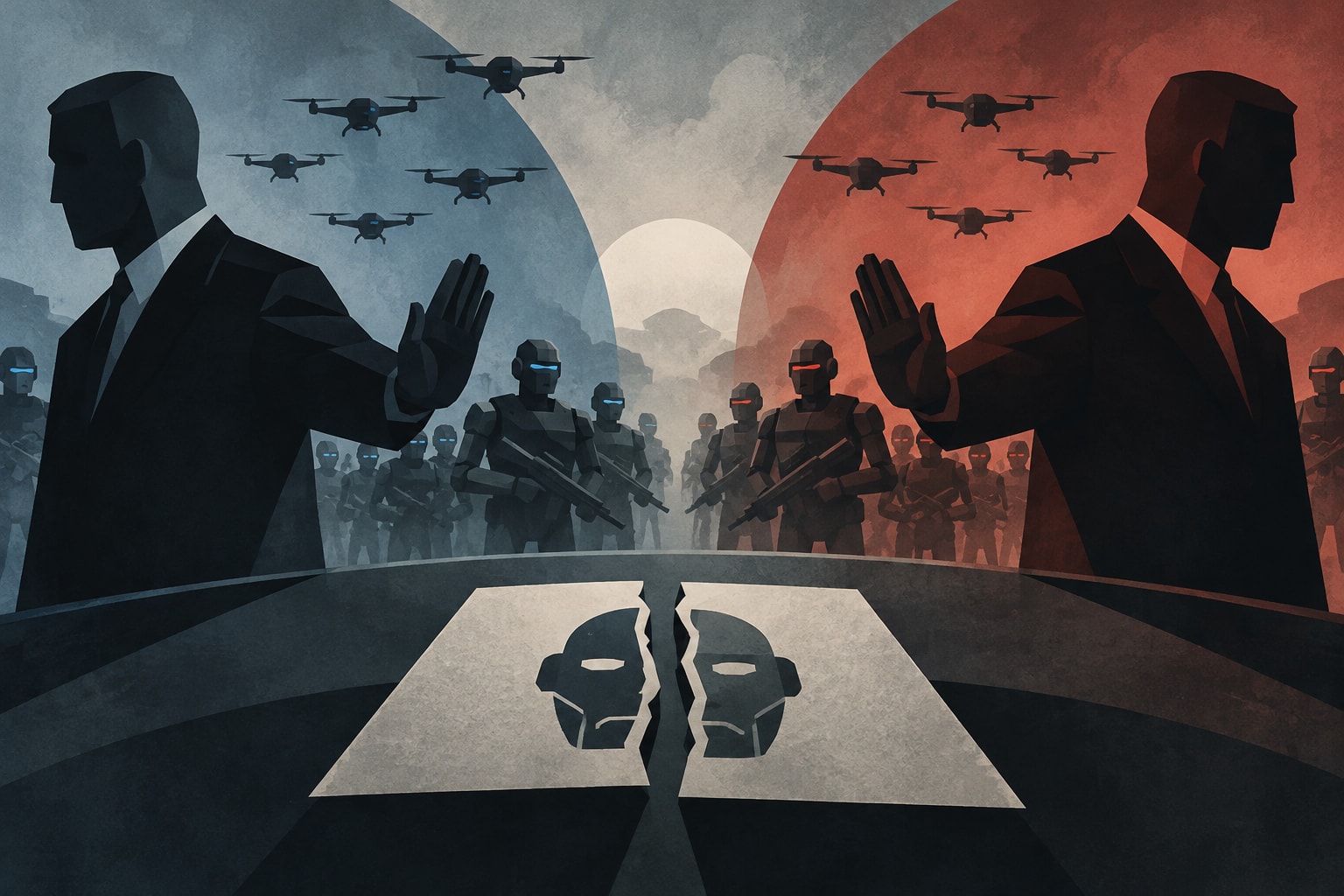
Major arms producers the U.S. and Russia are expected to resist negotiations for legally binding rules on autonomous weapons.
What's Happening
- •The U.S. and Russia are poised to reject proposals for negotiations on autonomous weapons regulations.
- •A global meeting is scheduled to discuss legally binding rules for the use of autonomous weapons.
- •This opposition could impact international arms control efforts and military technology development.
Why It Matters
The opposition from the U.S. and Russia to negotiations on autonomous weapons has significant implications for military strategy and ethics. As these technologies evolve, active-duty service members and veterans must understand how such developments could impact their roles and the nature of future conflicts.
What Changes Now
- •The U.S. and Russia's opposition means that there will be no immediate international regulations on autonomous weapons. This lack of oversight could lead to accelerated development and deployment of such technologies by both nations.
- •Military strategies may shift as the focus on autonomous systems increases. Service members may need to adapt to new operational environments that incorporate these technologies without established rules of engagement.
- •The absence of negotiations could result in a competitive arms race in autonomous weapons. This may lead to heightened tensions and increased risks for military personnel deployed in conflict areas.
What to Watch
- •The upcoming global meeting on autonomous weapons will be a key event to observe. Decisions made there could set the tone for future international arms control discussions.
- •Watch for reactions from NATO allies regarding the U.S. and Russia's position. Their responses could influence collective defense strategies and arms regulation efforts.
- •Keep an eye on legislative proposals in Congress related to military funding for autonomous systems. These proposals may indicate the U.S. government's long-term strategy for integrating such technologies.
Get the Daily Briefing
Military and veteran news that actually affects you, in your inbox each morning.
More Context
- •Background on Autonomous Weapons: Autonomous weapons refer to systems that can operate without human intervention. The debate surrounding these weapons has intensified as advancements in artificial intelligence and robotics have made them more feasible. Proponents argue that these systems can enhance military effectiveness and reduce risks to human soldiers, while opponents raise ethical concerns about accountability and the potential for misuse. The push for regulations stems from fears that unregulated use could lead to unforeseen consequences in warfare.
- •U.S. and Russia's Position: Both the U.S. and Russia, as major military powers, have significant stakes in the development and deployment of autonomous weapons. Their opposition to negotiations reflects a strategic desire to maintain technological advantages in military capabilities. This stance may be influenced by concerns over how regulations could limit their operational flexibility and effectiveness on the battlefield. As arms producers, both nations are likely prioritizing their defense industries' interests over international consensus on weapons regulation.
- •Implications for Military Personnel: Active duty service members, particularly those in combat roles, may feel the effects of this opposition. The continued development of autonomous weapons could alter the landscape of military engagements, potentially increasing the risks they face. Additionally, the lack of regulations might lead to scenarios where ethical considerations are sidelined in favor of technological advancements. This could impact training, operational protocols, and the overall safety of troops in conflict zones.
- •What to Monitor Moving Forward: As the global meeting approaches, it will be crucial to observe how other nations respond to the U.S. and Russia's stance. The reactions from NATO allies and other military powers may shape future discussions on arms control. Additionally, the outcomes of these negotiations could influence defense budgets and military strategies worldwide. Keeping an eye on proposed legislation and international treaties regarding autonomous weapons will be important for military personnel and defense stakeholders.
Frequently Asked Questions
Does this affect Guard members on Title 10 orders?
Yes, Guard members on Title 10 orders could be impacted by changes in military strategy related to autonomous weapons.
Will my BAH change if I move duty stations mid-year?
Your Basic Allowance for Housing (BAH) may be adjusted based on the new duty station's location and housing costs.
The Daily Briefing
Military & veteran news that actually affects you — delivered every morning.
- Pay, benefits & policy changes
- Pentagon decisions that matter
- VA updates for veterans & families
- One email. No spam. Unsubscribe anytime.
Related Stories
- B-1B Lancer Pilots to Gain Extra Training Hours in Business Jets— Air & Space Forces Magazine
- Air Force Initiates Training Development for Point Defense Airmen— Air & Space Forces Magazine
- Air Force to Arm C-17s with Cruise Missiles for Airdrop Operations— Air & Space Forces Magazine
- Space Force Chief Highlights Need for Vigilance After Russian Satellite Maneuvers— DefenseScoop