US-Iran Ceasefire Talks End Without Agreement, Both Sides Blame Each Other
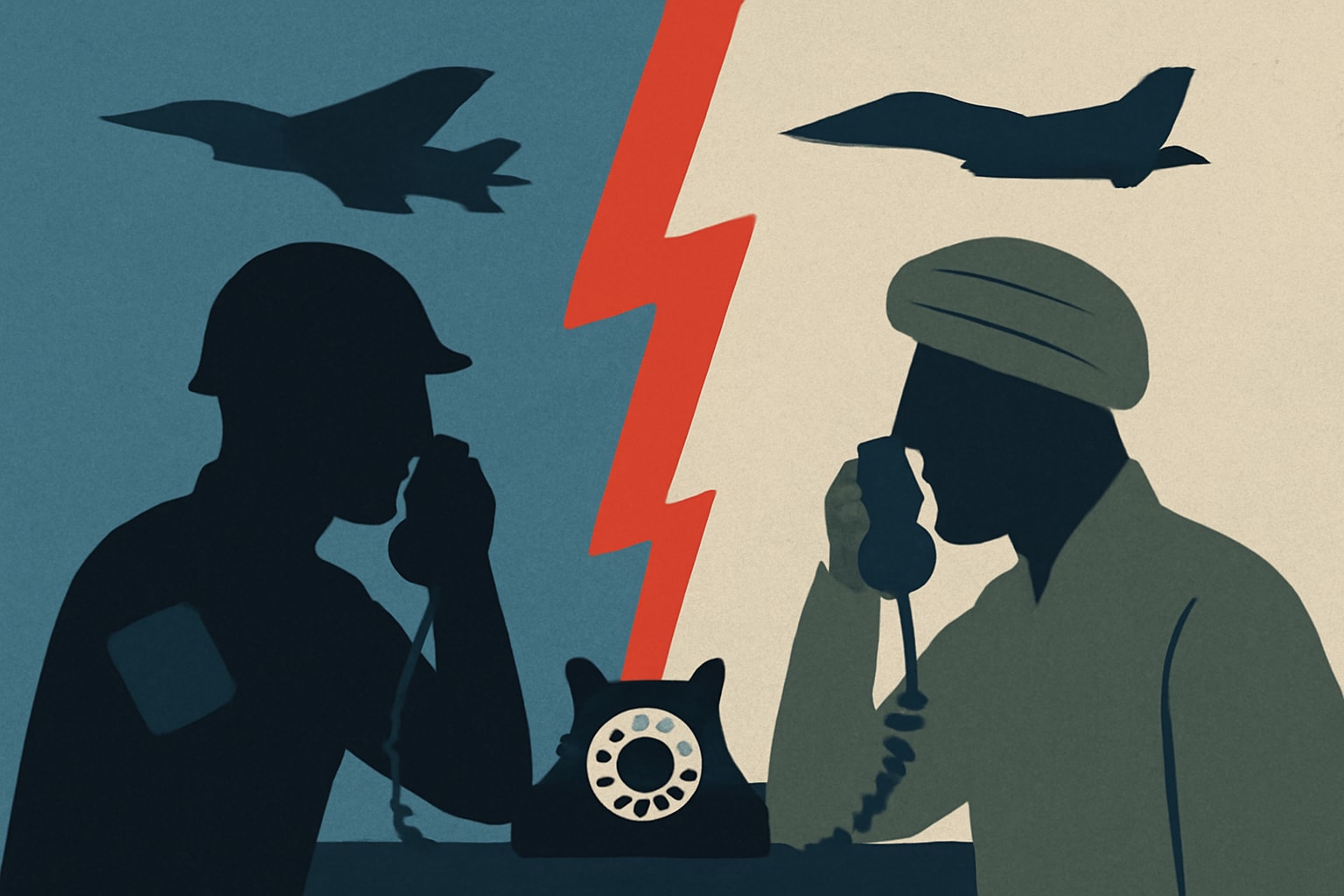
Negotiations between the U.S. and Iran regarding a ceasefire have concluded without consensus, raising concerns about renewed conflict.
What's Happening
- •Ceasefire talks between the U.S. and Iran ended without an agreement on April 12, 2026.
- •The ceasefire was set to last 14 days and will expire on April 22, 2026.
- •Both nations are blaming each other for the failure of the negotiations.
Why It Matters
The failure of ceasefire talks between the U.S. and Iran directly impacts service members deployed in the Middle East, potentially increasing the risk of confrontation and extending deployments. Military families should be aware of the heightened tensions and the potential for increased operational tempo as a result of this diplomatic setback.
What Changes Now
- •Increased vigilance and readiness among military forces in the region will be necessary. Commanders will likely adjust operational plans to prepare for potential escalatory actions.
- •The potential for heightened tensions and conflict may lead to changes in deployment schedules. Service members and their families should stay informed about any updates from military leadership.
- •Military commanders may reassess their posture and strategies in response to the failed negotiations. This could involve enhanced surveillance and readiness to respond to provocations.
What to Watch
- •The actions taken by both the U.S. and Iran as the April 22 ceasefire expiration approaches. Observers will look for any indications of military mobilization or diplomatic overtures.
- •Any signs of increased military activity or provocations in the region will be critical to monitor. This could include troop movements or missile tests that escalate tensions further.
- •The international community's response to the breakdown of talks will be important. Diplomatic efforts may emerge to encourage both sides to reconsider their positions.
Get the Daily Briefing
Military and veteran news that actually affects you, in your inbox each morning.
More Context
- •Failure of Ceasefire Negotiations: The recent ceasefire negotiations between the United States and Iran have concluded without reaching a consensus. The talks aimed to de-escalate ongoing tensions but ended on April 12, 2026, amid mutual accusations of blame. Each side has expressed dissatisfaction with the other's demands, highlighting the deep-seated mistrust that characterizes their relationship. The U.S. sought stringent verification mechanisms to ensure compliance with any ceasefire terms, while Iran demanded assurances that its security interests would be respected. The inability to reconcile these differing priorities ultimately led to the breakdown of discussions.
- •Implications for Military Personnel: The collapse of these negotiations poses significant risks for U.S. military personnel deployed in the Middle East. As tensions rise, service members may face increased operational tempo and the potential for renewed conflict. Families of deployed service members should remain informed about the situation, as heightened tensions could affect their loved ones' safety and mission parameters. Commanders in the region are likely to reassess their readiness posture in light of the failed talks, emphasizing the need for vigilance and preparedness.
- •What Comes Next?: With the ceasefire set to expire on April 22, 2026, the lack of an agreement raises concerns about a return to hostilities. Neither the U.S. nor Iran has indicated what steps will be taken to prevent escalation, leaving the situation precarious. Observers are closely monitoring both nations for any signs of increased military activity or provocations in the lead-up to the deadline. This uncertainty may embolden proxy groups in the region, further complicating an already volatile geopolitical landscape.
Veteran Take
For those who've served, this news hits home as it underscores the ongoing instability in regions we've been deployed to. The lack of agreement in ceasefire talks not only puts our brothers and sisters in uniform at risk but also serves as a reminder of the sacrifices military families make during these uncertain times. We know all too well the toll that extended deployments and heightened tensions can take on service members and their loved ones.
The Daily Briefing
Military & veteran news that actually affects you — delivered every morning.
- Pay, benefits & policy changes
- Pentagon decisions that matter
- VA updates for veterans & families
- One email. No spam. Unsubscribe anytime.
Related Stories
- U.S. Army Awards $43 Million for New Software Platform on Classified Materials— Military Times
- Pentagon Raises Iran War Death Toll to 21— Task & Purpose
- German Pilots Prepare for CH-47F Fleet with U.S. Army Flight Simulators— Army Times
- Camp Pendleton Opens New Dining Hall Drive-Thru for Quick Meals— Task & Purpose