U.S. Military Conducts Airstrikes on Iran After Ship Attack
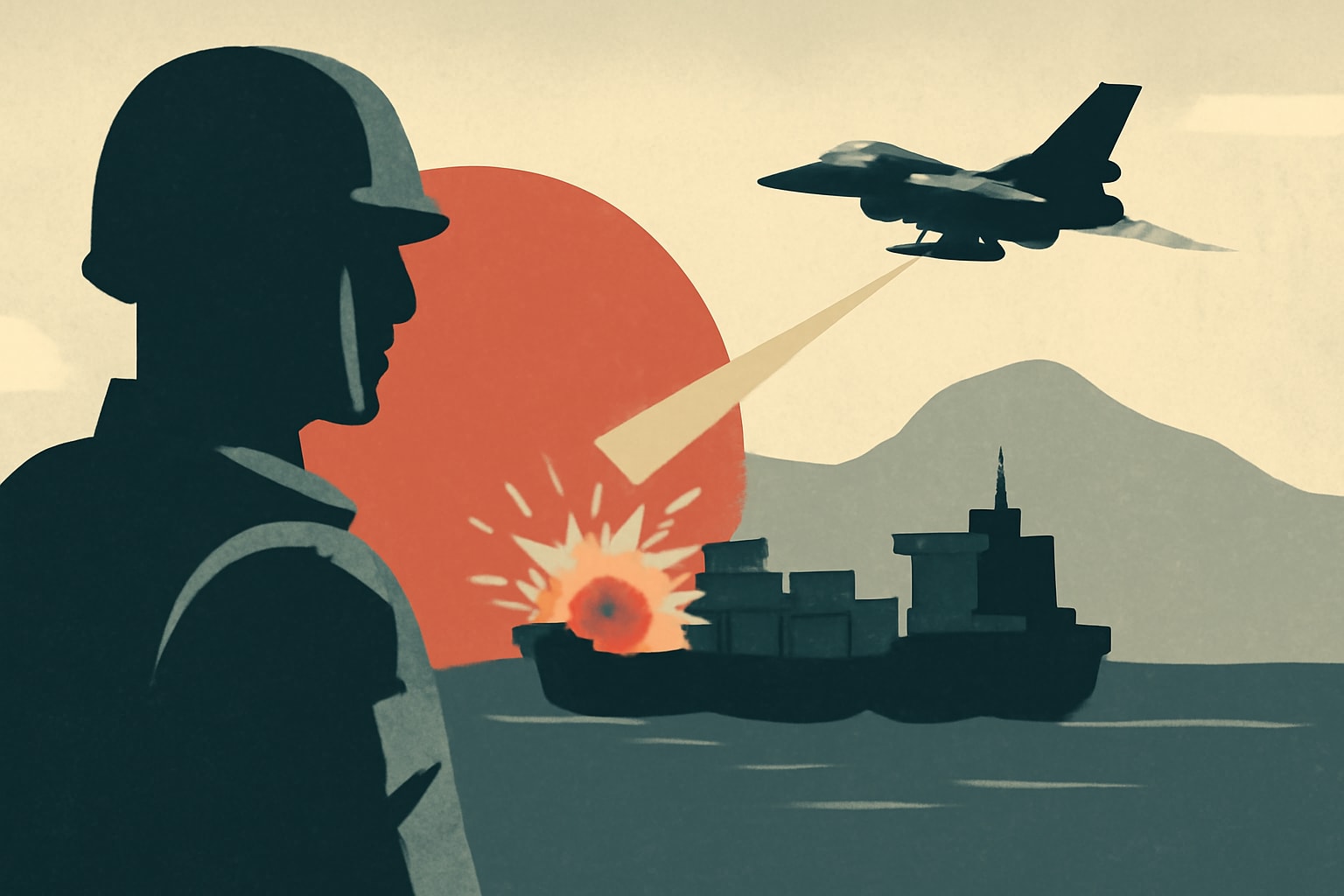
The U.S. military launched airstrikes against Iran following an attack on a commercial vessel in the Strait of Hormuz, testing a fragile ceasefire.
What's Happening
- •The U.S. military executed airstrikes on Iran on June 26, 2026.
- •This action followed Iran's attack on a commercial ship in the Strait of Hormuz.
- •The incidents challenge the existing ceasefire between the U.S. and Iran.
Why It Matters
The recent airstrikes highlight the ongoing volatility in U.S.-Iran relations, which can directly affect military personnel and their families. Service members may face changes in deployment orders or operational readiness as the situation evolves, making it crucial for them to stay informed.
What Changes Now
- •Increased military readiness is expected for service members in the Gulf region. This means that personnel may be called to respond more rapidly to any further incidents.
- •Deployment schedules may be adjusted based on the evolving situation. Service members should check with their chain of command for updates on potential changes.
- •Operational protocols in response to Iranian aggression will likely be reviewed. This could result in new guidelines for engagement and rules of engagement for troops.
What to Watch
- •Monitor for any announcements from the Pentagon regarding troop deployments. These updates will provide clarity on how military operations may change in response to the current situation.
- •Keep an eye on diplomatic efforts to de-escalate tensions. The outcome of these negotiations could significantly impact military operations in the region.
- •Watch for updates on maritime security measures in the Strait of Hormuz. Changes in these protocols could affect shipping routes and military presence in the area.
Get the Daily Briefing
Military and veteran news that actually affects you, in your inbox each morning.
More Context
- •Background on U.S.-Iran Relations: The relationship between the U.S. and Iran has been fraught with tension for decades, particularly regarding maritime security in the Strait of Hormuz. This strategic waterway is crucial for global oil transportation, making any military action in the area significant not just for the U.S. and Iran, but for international trade and security.
- •Details of the Airstrikes: The airstrikes were reportedly aimed at Iranian military assets involved in the recent attack on the commercial vessel. U.S. officials have stated that these strikes were a measured response intended to deter further aggression from Iran while maintaining the safety of maritime operations in the region.
- •Implications for Military Personnel: Active-duty service members, especially those in the Navy and Air Force, may see increased operational tempo and readiness requirements as tensions escalate. Personnel stationed at bases in the Gulf region should prepare for possible deployments or heightened alert statuses in response to the evolving situation.
- •Monitoring Future Developments: As the U.S. and Iran navigate this crisis, service members and their families should stay informed about potential changes in military operations or policies. The situation could lead to further military actions or diplomatic negotiations that may impact deployments and readiness.
Frequently Asked Questions
Does this affect Guard members on Title 10 orders?
Yes, Guard members on Title 10 orders may be activated for increased readiness or deployment depending on the situation.
Will my BAH change if I move duty stations mid-year?
Your Basic Allowance for Housing (BAH) may change if you move to a new duty station, as it is based on the location of your new assignment.
Veteran Take
For those who've served, the escalation of tensions with Iran is a stark reminder of the unpredictability that comes with military life. Veterans navigating this will likely reflect on the implications for their brothers and sisters still in uniform, knowing that decisions made in distant rooms can have immediate impacts on families and communities back home. It's crucial for us to stay aware and support each other as these developments unfold.
The Daily Briefing
Military & veteran news that actually affects you — delivered every morning.
- Pay, benefits & policy changes
- Pentagon decisions that matter
- VA updates for veterans & families
- One email. No spam. Unsubscribe anytime.
Related Stories
- Air Force Seeks Next-Gen Perimeter Air Defense Radars to Replace Aging Systems— Air & Space Forces Magazine
- AFRL Partners with Virgin Galactic to Collect Space Weather Data— Air & Space Forces Magazine
- Lockheed Martin Unveils PAC-3 Edge Interceptor to Combat Hypersonic Threats— Marine Corps Times
- Air Force Leaders Elevate Point Defense as a Key Air Warfare Mission— Air & Space Forces Magazine