U.S. Air Force Pursues AI-Controlled Drone Swarms for Base Security
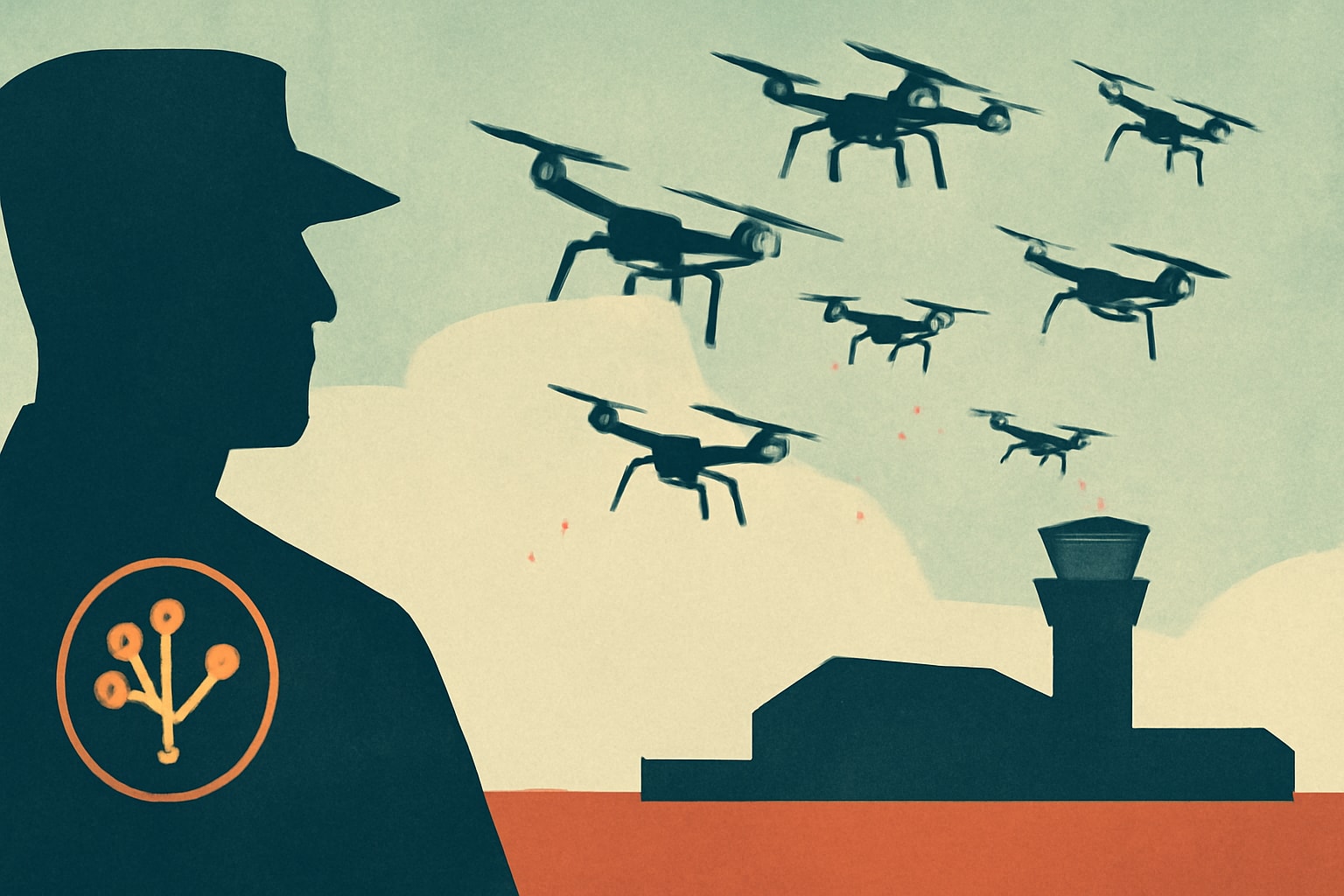
The Air Force aims to enhance base security with rapidly deployable swarms of AI-driven drones.
What's Happening
- •The U.S. Air Force is seeking to develop rapidly deployable drone swarms.
- •These drones will be AI-controlled and designed for base security.
- •The initiative aims to enhance the protection of military installations.
Why It Matters
The integration of drone swarms into base security represents a significant shift in military operations. For service members and their families, this technology not only enhances safety but also introduces new career opportunities in tech-driven roles within the military.
What Changes Now
- •The Air Force is initiating the development of drone swarms for base security. This change will likely lead to new training programs for security forces personnel to manage and operate these drones.
- •Service members in relevant roles may see shifts in job responsibilities as drone technology becomes integrated into security protocols. This integration will require a focus on technology management and data analysis skills.
- •The introduction of AI-controlled drones will necessitate updates to existing security measures at military installations. Personnel will need to adapt to new protocols that incorporate drone surveillance and response capabilities.
What to Watch
- •Pilot programs for drone swarms are expected to launch within the next year. These trials will provide critical data on the effectiveness of drone swarms in real-world scenarios.
- •Feedback from initial deployments will inform further developments in drone technology. The Air Force plans to use this feedback to enhance operational capabilities and training programs.
- •As the program expands, opportunities for specialized training in drone operations will emerge. Service members should monitor announcements from their units regarding upcoming training sessions.
Get the Daily Briefing
Military and veteran news that actually affects you, in your inbox each morning.
More Context
- •The Need for Enhanced Security: As global threats evolve, military installations face increasing risks. The U.S. Air Force recognizes that traditional security measures may not be sufficient to protect bases from potential attacks. Implementing AI-controlled drone swarms could provide a proactive defense mechanism, allowing for quicker responses to threats. This technological advancement aims to bolster the safety of personnel and assets stationed at these critical locations.
- •How Drone Swarms Work: Drone swarms operate on the principle of collective behavior, mimicking natural swarms found in nature, like flocks of birds or schools of fish. Each drone in the swarm communicates with others to coordinate movements and tasks, enabling them to cover large areas efficiently. The use of AI allows these drones to adapt to changing environments and threats, making them a versatile tool for base security. The Air Force's focus on rapid deployment means these swarms can be quickly mobilized in response to emerging threats.
- •Implications for Service Members: Active-duty personnel, particularly those in security forces and intelligence roles, will need to adapt to this new technology. Training will be essential to ensure that service members can effectively integrate drone swarms into existing security protocols. Additionally, this shift may lead to changes in job roles, with an increased emphasis on technology management and data analysis. Service members should stay informed about upcoming training opportunities related to drone operations and AI technologies.
- •What to Expect Moving Forward: As the Air Force moves forward with this initiative, several key developments are expected. First, pilot programs will likely be initiated at select bases to test the effectiveness of drone swarms in real-world scenarios. Second, feedback from these trials will inform future deployments and technological enhancements. Finally, as the program expands, there may be opportunities for service members to engage with this technology through specialized training and operational roles.
Frequently Asked Questions
Will the new drone technology impact my security job?
Yes, the integration of drone swarms may change job responsibilities for security personnel, requiring training in new technologies.
How will the Air Force train personnel on these drones?
The Air Force plans to implement specialized training programs to ensure service members are proficient in operating and managing drone swarms.
When can we expect to see these drones in action?
Pilot programs are expected to begin within the next year, with full deployment depending on the outcomes of these trials.
The Daily Briefing
Military & veteran news that actually affects you — delivered every morning.
- Pay, benefits & policy changes
- Pentagon decisions that matter
- VA updates for veterans & families
- One email. No spam. Unsubscribe anytime.
Related Stories
- Army Activates New Air Defense Unit in Guam— Task & Purpose
- Iran Conflict Redefines Cybersecurity Threat Landscape— Federal News Network
- US Army Develops Wearable Device for Drone Detection on the Battlefield— Military Times
- Air Force Consolidates 50 Battle Network Programs into $4.5B Contract— Air & Space Forces Magazine