US Air Force Jet Engine Manufacturing Faces Significant Challenges
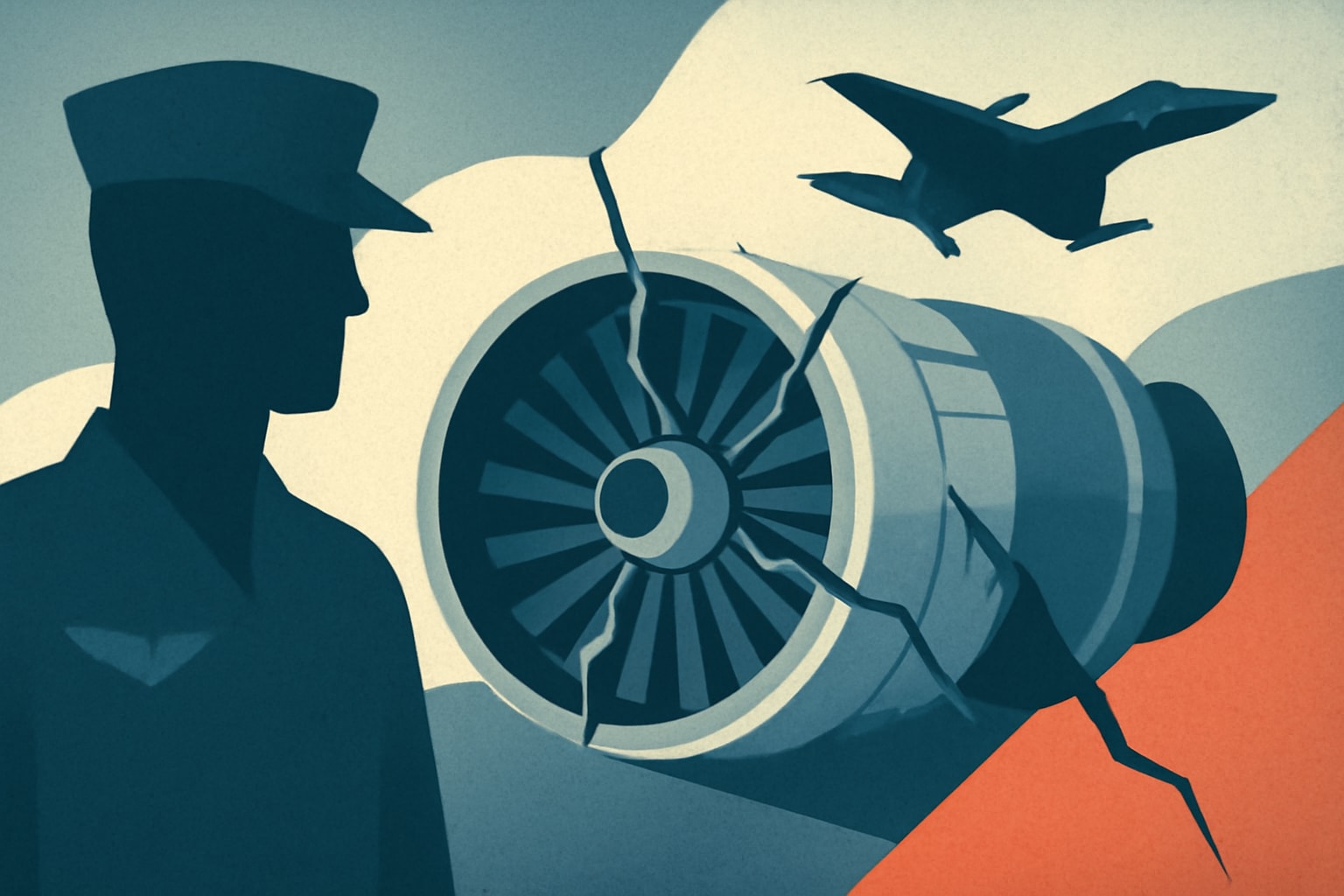
Production delays, quality control issues, and material shortages are impacting the U.S. Air Force's jet engine manufacturing capabilities.
What's Happening
- •The U.S. Air Force is facing significant delays in jet engine production.
- •Quality control issues are affecting the reliability of jet engines.
- •Material shortages are compounding the manufacturing challenges.
Why It Matters
The challenges in jet engine manufacturing are critical for the U.S. Air Force, as they directly affect the operational readiness of military aircraft. For service members, especially pilots and maintenance crews, these delays and quality issues can lead to reduced training opportunities and operational effectiveness, ultimately impacting national security.
What Changes Now
- •Production timelines for jet engines are being extended due to material shortages. This means that units may not receive necessary equipment on schedule, affecting their training and operational plans.
- •Quality control measures are being reassessed to address reliability issues. This reassessment may lead to additional inspections and delays in the deployment of aircraft.
- •The Air Force is considering partnerships with private manufacturers to alleviate production challenges. This could result in new contracts and changes in procurement strategies over the coming months.
What to Watch
- •Upcoming reports from the Air Force on manufacturing improvements are expected in the next quarter. These reports will provide insights into the effectiveness of new strategies being implemented.
- •The decision on potential partnerships with private manufacturers may be announced within the next six months. This could significantly alter the manufacturing landscape for jet engines.
- •Monitoring material supply chains will be crucial as the Air Force seeks to resolve shortages. Future updates on this front will indicate whether production can stabilize.
Get the Daily Briefing
Military and veteran news that actually affects you, in your inbox each morning.
More Context
- •Current State of Jet Engine Manufacturing: The U.S. Air Force has reported that its jet engine manufacturing process is currently hindered by a combination of production delays and quality control issues. These challenges arise from both logistical hurdles and the availability of essential materials, which are critical for maintaining the operational readiness of the Air Force's fleet. As the demand for advanced aircraft continues to grow, ensuring a steady supply of reliable jet engines becomes increasingly vital. The Air Force's ability to meet its operational commitments may be jeopardized if these issues are not addressed promptly.
- •Impact on Military Readiness: The ongoing challenges in jet engine manufacturing directly affect military readiness, particularly for active duty and Reserve Component pilots. Units relying on aircraft powered by these engines may face delays in training and operational missions, which can hinder their preparedness for deployment. For example, fighter pilots in the Air National Guard may experience interruptions in their training schedules, impacting their ability to maintain proficiency in critical flight operations. This situation underscores the importance of resolving manufacturing issues to ensure that aircrews can perform their duties effectively.
- •Future Considerations and Solutions: Looking ahead, the Air Force is exploring various solutions to mitigate the impact of these manufacturing challenges. This includes potential partnerships with private sector manufacturers to enhance production capabilities and improve supply chain resilience. Additionally, the Air Force may need to invest in research and development to innovate new materials and manufacturing processes that can alleviate current shortages. Addressing these challenges will require a concerted effort from both military and industry stakeholders to ensure that the Air Force maintains its technological edge.
Frequently Asked Questions
Does this affect Guard members on Title 10 orders?
Yes, the manufacturing challenges can impact the operational readiness of Guard members activated under Title 10 orders, as they rely on the same aircraft.
Will my training schedule change due to engine delays?
Yes, training schedules may be adjusted as units await the delivery of reliable jet engines.
Veteran Take
For those who've served, the reliability of our aircraft is paramount. When manufacturing challenges arise, it not only hinders our training but also raises concerns about mission readiness. Veterans understand that every delay in engine production can have real-world implications for our safety and effectiveness in the field.
The Daily Briefing
Military & veteran news that actually affects you — delivered every morning.
- Pay, benefits & policy changes
- Pentagon decisions that matter
- VA updates for veterans & families
- One email. No spam. Unsubscribe anytime.
Related Stories
- Africom Establishes New Defense Economics Office to Enhance Security— DefenseScoop
- US Air Force to Extend Service Life of B-1 and B-2 Bombers— Military Times
- Ukraine Launches Offensive Push in North of Donetsk Region— Defense News
- Pentagon Establishes New Procedures for AI-Assisted Software Development— DefenseScoop