Air Force Initiates Piloted Flights and AI Tests for Modified F-16s
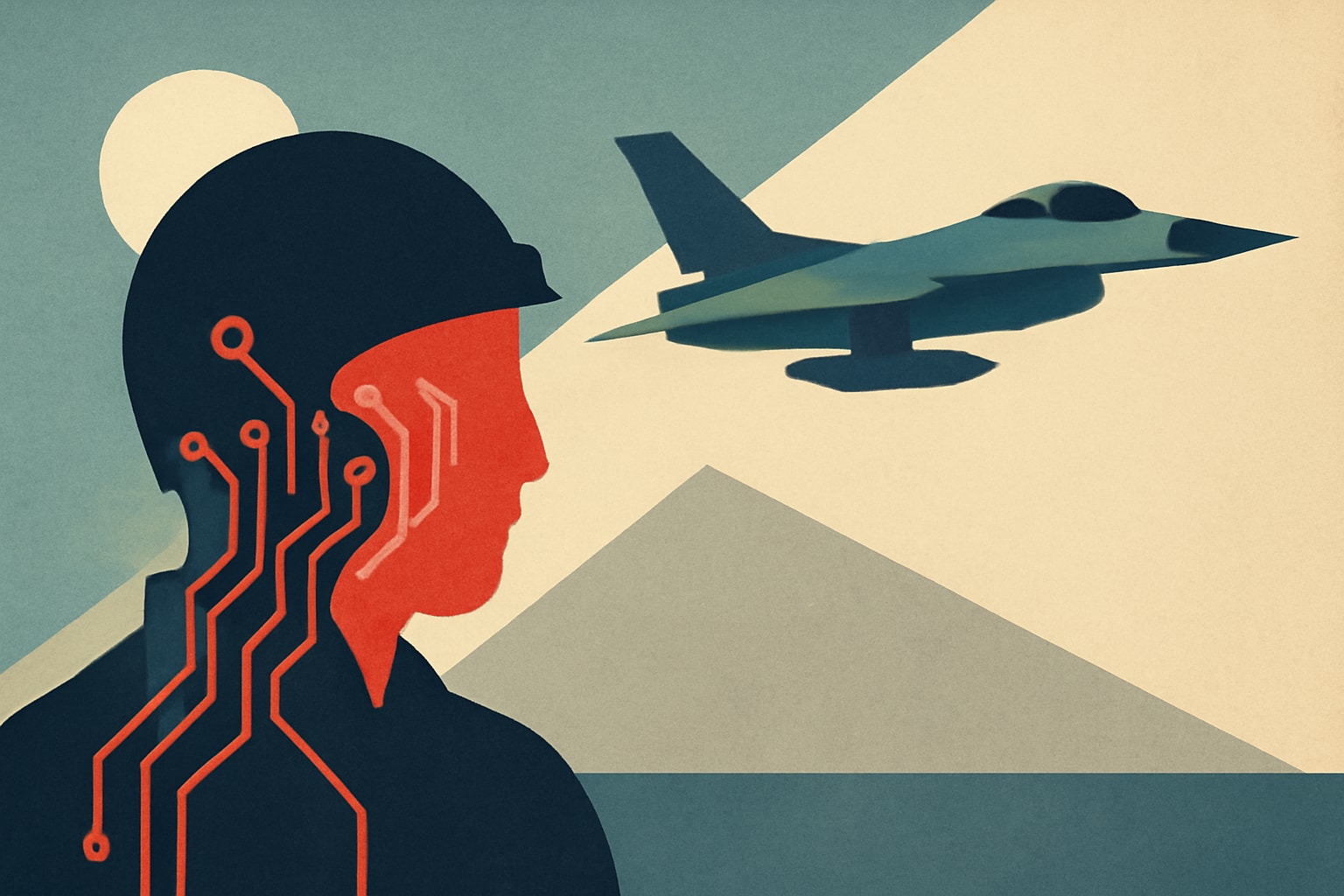
The Air Force has commenced piloted flights and autonomy tests for modified F-16s that utilize artificial intelligence to enhance operational capabilities.
What's Happening
- •The US Air Force has begun piloted flights for modified F-16 aircraft.
- •These modified F-16s are equipped with artificial intelligence for enhanced autonomy.
- •Testing aims to evaluate the aircraft's performance and operational capabilities.
Why It Matters
The integration of AI into military aviation represents a significant shift in how the Air Force conducts operations. For service members, especially pilots, this means adapting to new technologies that could redefine their roles and responsibilities in the field.
What Changes Now
- •Piloted flights of modified F-16s are now underway, marking a new phase in military aviation. This change is significant as it tests the viability of AI in real-world scenarios, potentially altering future flight operations.
- •Training programs for F-16 pilots will begin to incorporate AI systems. This adaptation is crucial for ensuring that pilots can effectively interact with and utilize AI capabilities during missions.
- •The Air Force will evaluate the performance of these modified aircraft in various scenarios. The results will inform future strategies for integrating AI into other aircraft and military operations.
What to Watch
- •The outcomes of the current piloted flights will be closely monitored. These results will determine the effectiveness of AI in enhancing operational capabilities and could lead to further modifications.
- •Upcoming training updates for pilots will be announced based on the findings from the tests. This will include new protocols and procedures for operating alongside AI systems.
- •Future decisions regarding the expansion of AI technology to other aircraft types will be influenced by the success of the F-16 tests. Stakeholders will be watching closely to see how these developments shape the Air Force's operational strategy.
Get the Daily Briefing
Military and veteran news that actually affects you, in your inbox each morning.
More Context
- •Overview of the Modified F-16s: The US Air Force has taken a significant step in modernizing its fleet by initiating piloted flights of modified F-16s. These aircraft have been enhanced with artificial intelligence capabilities, allowing them to operate autonomously under certain conditions. This development is part of a broader strategy to integrate advanced technology into military aviation, which could lead to more efficient missions and reduced pilot workload.
- •Implications for Air Force Personnel: Active duty pilots, particularly those in the 11F (Fighter Pilot) AFSC, will be directly impacted by these advancements. As the Air Force continues to test and refine these AI-enhanced capabilities, pilots may need to adapt to new operational procedures and training protocols. This shift could also influence future recruitment and retention strategies as the demand for tech-savvy personnel increases.
- •Operational Changes and Training: With the introduction of AI into piloted flights, training programs for F-16 pilots will likely evolve. Current pilots will need to familiarize themselves with the AI systems and understand how to work alongside them effectively. Future training may include simulations that incorporate AI decision-making processes, ensuring pilots are prepared for the complexities of modern aerial combat.
- •What to Watch Moving Forward: As the Air Force progresses with these tests, it will be crucial to monitor the outcomes of the flights. Key milestones include the evaluation of AI performance in various combat scenarios, which could influence future defense strategies. Additionally, decisions regarding the integration of AI capabilities into other aircraft types may emerge based on the success of these modified F-16 tests.
Frequently Asked Questions
Does this affect Guard members on Title 10 orders?
Yes, Guard members on Title 10 orders who fly F-16s will need to stay informed about the integration of AI into their operations and any resulting changes in training.
Will my training change if I’m an F-16 pilot?
Yes, training for F-16 pilots will likely evolve to include AI systems, requiring pilots to adapt to new technologies and operational procedures.
Veteran Take
For those who've served in the cockpit, the introduction of AI into our aircraft is both exciting and daunting. We understand firsthand the importance of adapting to new technologies, but there's a real concern about how these changes might impact the human element in aviation. Veterans navigating this shift will likely reflect on their own experiences and wonder how future pilots will balance the benefits of AI with the critical decision-making that comes from years of training and instinct.
The Daily Briefing
Military & veteran news that actually affects you — delivered every morning.
- Pay, benefits & policy changes
- Pentagon decisions that matter
- VA updates for veterans & families
- One email. No spam. Unsubscribe anytime.
Related Stories
- Anduril Plans to Manufacture Steelfin Interceptors in Europe— Defense News
- Marine Corps Establishes Its First Medium-Range Missile Battalion— Task & Purpose
- Air Force to Base F-35s at Kingsley Field, Oregon Starting in 2027— Air & Space Forces Magazine
- Kessel Run Transitions: A New Era for Air Force Software Development— Air & Space Forces Magazine