New Urine Test Aims to Predict Stress Fractures in Military Recruits
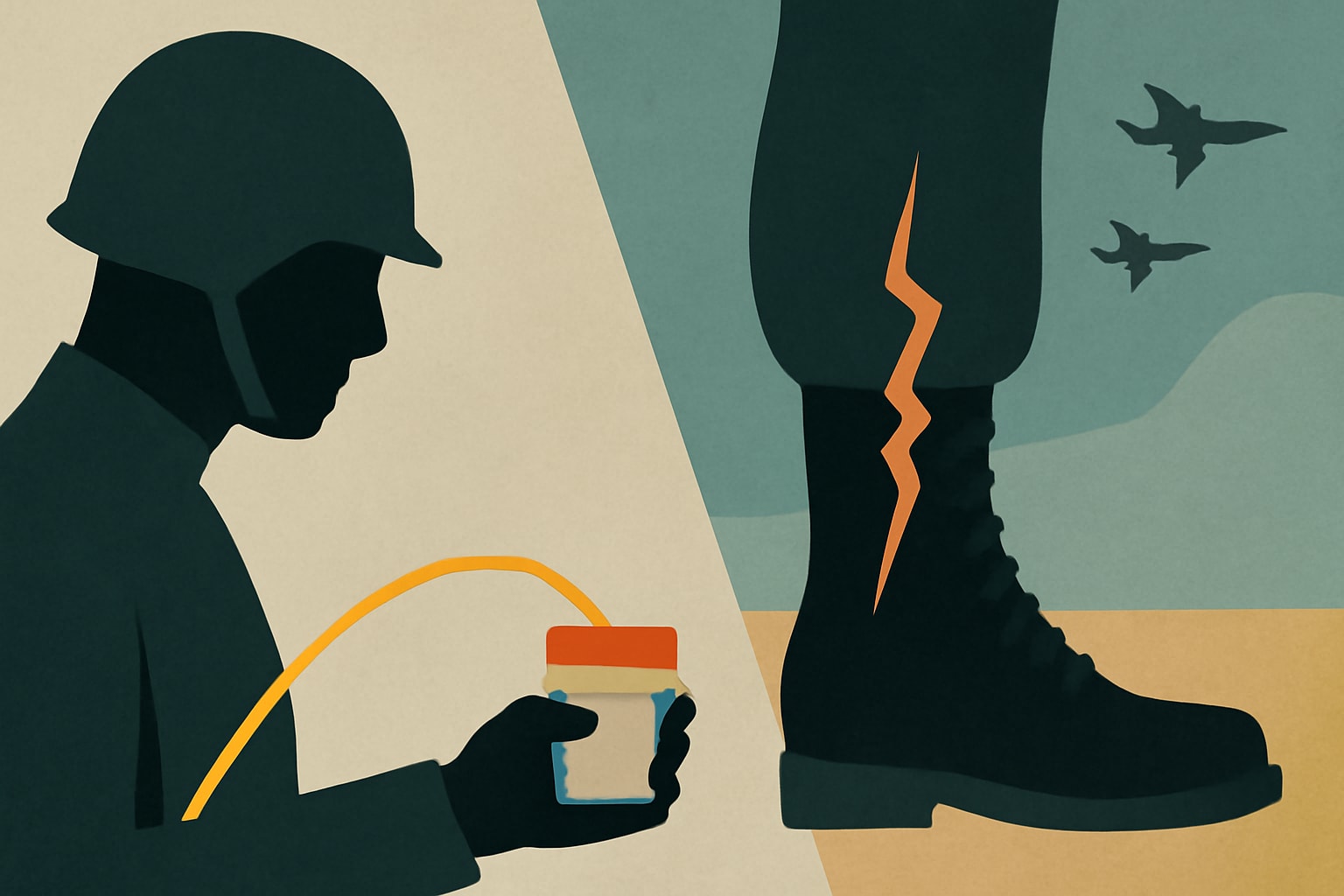
A $3.4 million Pentagon grant to two universities seeks to address stress fractures in military boot camps through a new urine test.
What's Happening
- •The Pentagon has awarded a $3.4 million grant to two universities for research on a urine test.
- •The test aims to predict stress fractures among military recruits during boot camp.
- •This initiative addresses a significant issue of injuries that can sideline new service members.
Why It Matters
Stress fractures can significantly hinder a recruit's ability to complete training, affecting overall military readiness. By identifying at-risk individuals early, the military can implement preventive measures, ultimately leading to a more robust force.
What Changes Now
- •The military is investing in research to develop a urine test for predicting stress fractures. This could lead to changes in how recruits are monitored during training, allowing for early interventions.
- •Recruits may undergo urine testing as part of their medical evaluations during boot camp. This will help identify those at risk for stress fractures before they occur, potentially altering their training plans.
- •If the urine test proves effective, training protocols may be adjusted to accommodate recruits identified as at risk. This proactive strategy aims to minimize injuries and enhance overall training outcomes.
What to Watch
- •Results from the initial research phase are expected within the next year. These findings will determine the feasibility of implementing the urine test in training environments.
- •The Pentagon will evaluate the effectiveness of the urine test in predicting injuries. Depending on the outcomes, this could lead to broader adoption across military training programs.
- •Future funding opportunities may arise based on the success of this initiative. Continued investment in injury prevention technologies could reshape military health protocols.
Get the Daily Briefing
Military and veteran news that actually affects you, in your inbox each morning.
More Context
- •Understanding Stress Fractures in Boot Camp: Stress fractures are a common injury among military recruits, particularly during the rigorous physical training of boot camp. These injuries can lead to significant delays in training and readiness, impacting the overall effectiveness of new service members. The new urine test aims to identify recruits at risk of developing these fractures early in their training, allowing for targeted interventions. By predicting these injuries, the military hopes to reduce the number of recruits sidelined by preventable conditions.
- •The Research Behind the Urine Test: The grant awarded to the universities will fund research into biomarkers found in urine that may indicate a recruit's risk of stress fractures. This innovative approach leverages advancements in medical science to provide actionable data that can be used during training. Researchers will analyze urine samples from recruits to identify patterns that correlate with the development of stress fractures. If successful, this test could revolutionize how the military approaches injury prevention and training adjustments.
- •Implications for Training and Readiness: Implementing this urine test could lead to significant changes in how recruits are trained and monitored. For example, recruits identified as at-risk could receive modified training regimens to prevent injuries. This proactive approach not only enhances the safety of recruits but also ensures that the military maintains a higher level of readiness by minimizing training disruptions. The potential for improved physical performance and reduced injury rates could have lasting benefits for military operations.
- •What This Means for Service Members: Active duty service members, particularly those in the initial training phases, will be directly affected by the outcomes of this research. If the urine test proves effective, it could lead to changes in training protocols and injury prevention strategies. Additionally, this initiative may provide a model for similar programs across different branches of the military, emphasizing the importance of health and safety in training environments.
Frequently Asked Questions
How will the urine test be administered to recruits?
The urine test will likely be integrated into existing medical evaluations during boot camp, allowing for routine screening.
Will this test affect all branches of the military?
If proven effective, the urine test could be adopted across all branches, impacting training protocols for all recruits.
What happens if a recruit is identified as at risk?
Recruits identified as at risk may receive modified training regimens to prevent injuries, ensuring they can continue their training safely.
The Daily Briefing
Military & veteran news that actually affects you — delivered every morning.
- Pay, benefits & policy changes
- Pentagon decisions that matter
- VA updates for veterans & families
- One email. No spam. Unsubscribe anytime.
Related Stories
- Congress Presses Oracle on VA’s $17 Billion EHR Contract Increase— Military Times
- Air Force's Collaborative Combat Aircraft Program at Risk of Delays— Air & Space Forces Magazine
- SDA Plans Two More Launches by Year-End to Complete Tranche 1 by 2027— Federal News Network
- Marine Corps Offers Incentives for Extended Overseas Tours— Military Times