Unmanned Warfare Expansion: Is the U.S. Military Prepared for the High Seas?
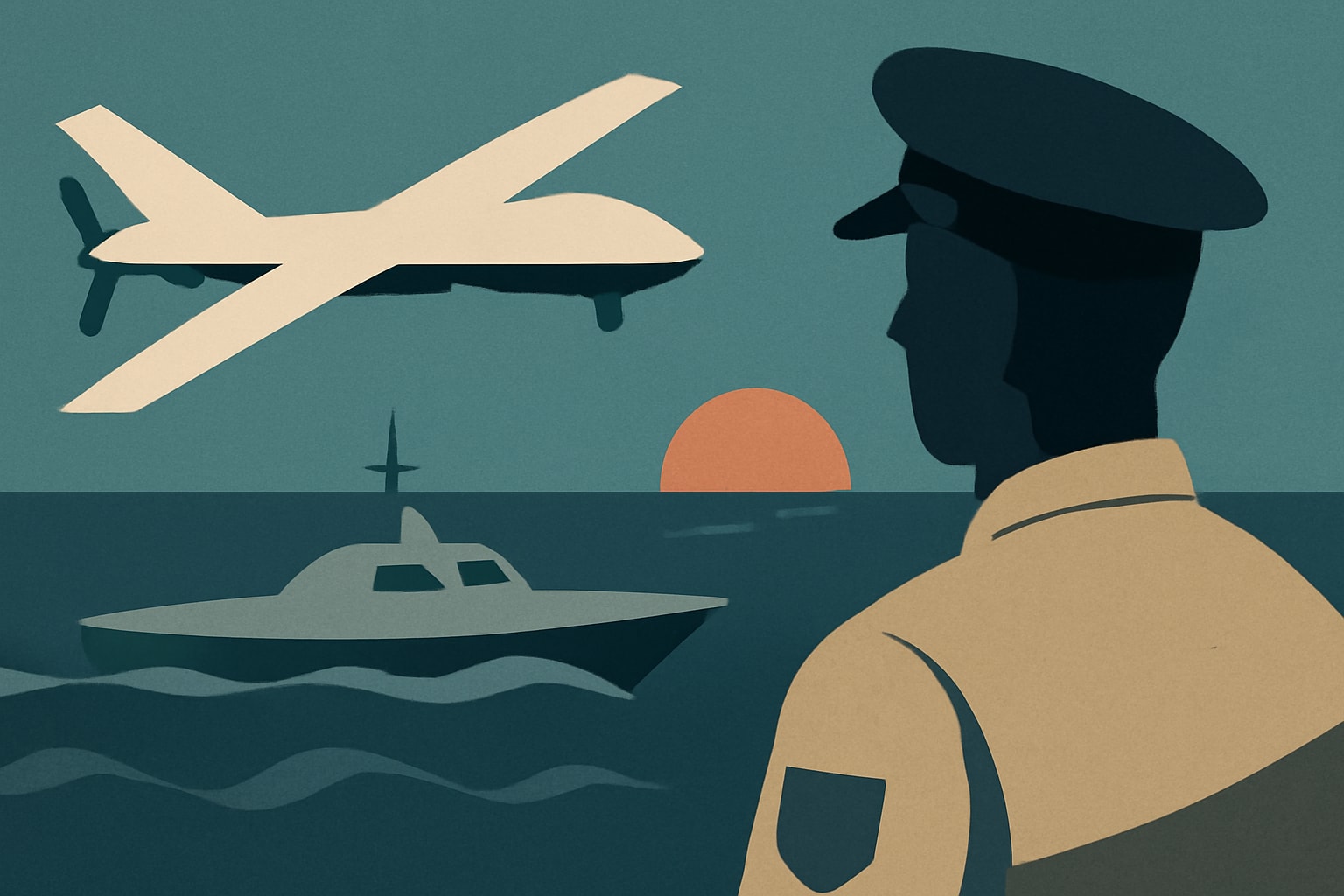
The U.S. military is assessing its readiness for unmanned warfare as it expands to maritime operations, learning from allies like Israel and Ukraine.
What's Happening
- •The U.S. military is exploring the integration of unmanned systems in maritime warfare.
- •Allies such as Israel, Ukraine, and Taiwan have made significant advancements in unmanned technology.
- •The Pentagon is analyzing lessons learned from these allies to inform its own unmanned strategies.
Why It Matters
The expansion of unmanned warfare to the high seas represents a pivotal shift in military strategy that could redefine naval operations. For service members, understanding this evolution is crucial as it directly impacts training, operational readiness, and future career paths.
What Changes Now
- •The U.S. military is prioritizing the integration of unmanned systems in naval operations. This change will require sailors to adapt to new technologies and potentially alter their operational tactics.
- •Training programs will evolve to include unmanned systems as a core component. Sailors will need to engage in updated training to ensure they are proficient in operating and coordinating with these platforms.
- •Policies governing the use of unmanned systems at sea are being developed. This will set clear guidelines for service members on how and when to utilize these technologies in various operational contexts.
What to Watch
- •The Pentagon's upcoming policy release on unmanned systems in maritime operations. This document will clarify operational guidelines and expectations for service members.
- •Joint exercises with allied nations focusing on unmanned warfare capabilities. These exercises will provide insights into how the U.S. can enhance its own strategies based on lessons learned from partners.
- •Technological advancements in unmanned systems that may be adopted by the U.S. Navy. Keeping an eye on industry developments will be crucial for service members to stay informed about the tools they will be using.
Get the Daily Briefing
Military and veteran news that actually affects you, in your inbox each morning.
More Context
- •The Rise of Unmanned Warfare: Unmanned warfare has seen a significant rise in recent years, particularly in maritime environments. The U.S. military is evaluating how to effectively integrate these technologies into its operational framework, especially as adversaries enhance their own unmanned capabilities. This shift not only emphasizes the need for advanced technology but also requires a reevaluation of tactics and strategies that have traditionally relied on manned platforms.
- •Lessons from Allies: The successes of allies such as Israel and Ukraine in employing unmanned systems provide valuable insights for the U.S. military. These nations have demonstrated how unmanned platforms can enhance situational awareness, reduce risk to personnel, and increase operational efficiency. By studying these examples, the Pentagon aims to identify best practices that can be adapted to the unique challenges of U.S. maritime operations.
- •Implications for Service Members: The expansion of unmanned warfare has direct implications for service members across various ranks and specialties. Active duty sailors, especially those in operational roles, may need to adapt to new technologies and tactics as unmanned systems become more prevalent. Additionally, training programs will likely evolve to prepare personnel for the integration of these advanced systems into their daily operations.
- •Future Considerations: As the U.S. military moves forward with unmanned warfare initiatives, several considerations will shape its path. The development of policies governing the use of unmanned systems at sea will be critical, as will the allocation of resources for research and development. Moreover, maintaining a competitive edge over adversaries in unmanned technology will require ongoing collaboration with allies and investment in innovation.
Frequently Asked Questions
How will unmanned warfare affect my role in the Navy?
Unmanned warfare will likely change operational tactics and require training on new technologies, impacting how you perform your duties.
Will there be new training programs for unmanned systems?
Yes, the military is expected to develop updated training programs that incorporate unmanned systems as a core focus.
What policies will govern the use of unmanned systems?
The Pentagon is working on policies that will outline how unmanned systems can be used in maritime operations, which will be crucial for operational guidelines.
The Daily Briefing
Military & veteran news that actually affects you — delivered every morning.
- Pay, benefits & policy changes
- Pentagon decisions that matter
- VA updates for veterans & families
- One email. No spam. Unsubscribe anytime.
Related Stories
- Pentagon Launches AI Pilot Program to Manage Sensitive Information— DefenseScoop
- US Military Faces Over $3 Billion in Equipment Losses from Iran War— Task & Purpose
- Army Meets Reserve, Special Forces Recruiting Goals for First Time in a Decade— Army Times
- Pentagon Invests $450 Million in Tungsten Mining to Secure Supply Chain— Military Times