UK’s BAE Systems Unveils Uncrewed Fighter Jet 'Brontanax'
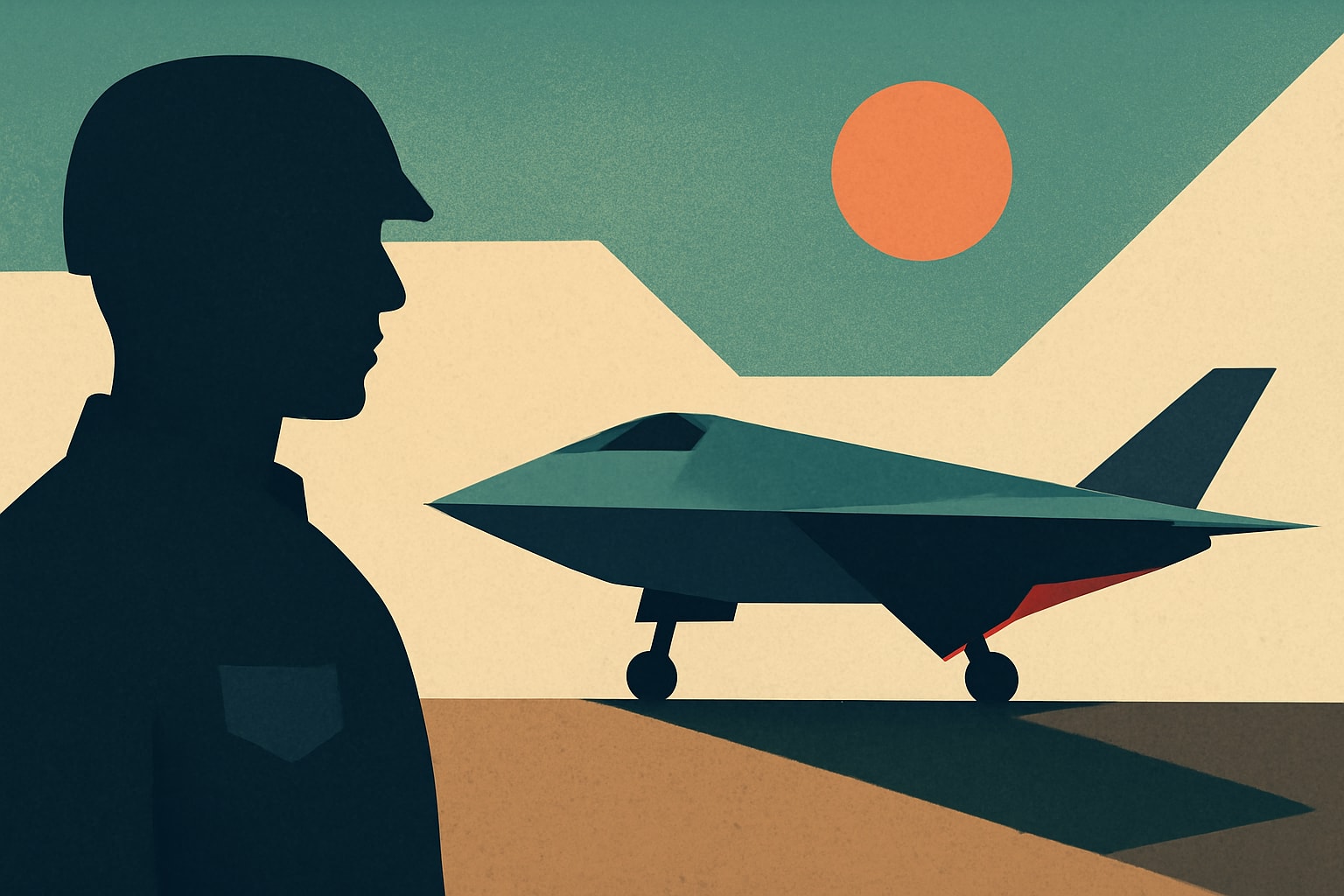
BAE Systems has launched a new unmanned fighter jet, enhancing the UK's position in the defense technology sector.
What's Happening
- •BAE Systems has revealed a new unmanned fighter jet named 'Brontanax'.
- •This development supports the UK's entry into a competitive defense market.
- •The Brontanax is expected to enhance the UK's aerial capabilities.
Why It Matters
The unveiling of the Brontanax underscores a significant shift in military technology, particularly in unmanned systems. For service members and veterans, this development could lead to changes in operational strategies and career paths, as the military adapts to new technological advancements.
What Changes Now
- •The introduction of the Brontanax signifies a move towards unmanned aerial capabilities. This change may lead to shifts in training and operational procedures for current military personnel.
- •With the Brontanax's development, there will be a focus on integrating unmanned systems into existing military operations. This integration will require new strategies and possibly a reallocation of resources within the defense budget.
- •The emphasis on unmanned systems may influence recruitment and career development programs. Service members may need to pursue additional training to adapt to new technologies.
What to Watch
- •Watch for the timeline of the Brontanax's first flight tests. This milestone will be crucial in assessing the jet's capabilities and operational readiness.
- •Monitor decisions regarding partnerships with other defense contractors. Collaborations could enhance the Brontanax's development and deployment strategies.
- •Keep an eye on upcoming defense budget reviews that may prioritize unmanned systems. These reviews will shape future investments in military technology.
Get the Daily Briefing
Military and veteran news that actually affects you, in your inbox each morning.
More Context
- •Overview of the Brontanax: BAE Systems' Brontanax represents a significant leap in unmanned aerial technology, designed to operate in complex combat environments. The jet aims to provide enhanced surveillance, reconnaissance, and strike capabilities, allowing for greater operational flexibility without risking pilot lives. This innovation aligns with global trends toward automation in military operations, indicating a shift in how air superiority may be achieved in future conflicts.
- •Implications for the UK Defense Strategy: The introduction of the Brontanax is a strategic move for the UK, as it seeks to modernize its armed forces amidst evolving threats. By investing in unmanned systems, the UK aims to enhance its deterrence capabilities while also reducing operational costs associated with manned missions. This shift could influence future defense budgets and procurement strategies, prioritizing technology that can adapt to dynamic battlefield conditions.
- •Impact on Military Personnel: Active duty pilots and support personnel may see changes in their roles as unmanned systems like the Brontanax become more prevalent. While the need for traditional pilots may diminish, there will be an increased demand for skilled operators and technicians who can manage these advanced systems. This transition could lead to new training programs and career paths within the Royal Air Force and other branches of the military.
- •Future Developments to Monitor: As BAE Systems progresses with the Brontanax, key milestones to watch include the timeline for its first flight tests and integration into existing military frameworks. Additionally, decisions on partnerships with other defense contractors and international allies could shape the jet's development and deployment. Stakeholders should also keep an eye on budget allocations for unmanned systems in the upcoming defense reviews.
Frequently Asked Questions
Will the Brontanax affect the roles of current pilots?
Yes, the introduction of unmanned systems like the Brontanax may lead to changes in pilot roles, focusing more on operational management of these technologies.
What training will be required for personnel working with the Brontanax?
Personnel will likely need specialized training in operating and maintaining unmanned systems, which may be developed as the Brontanax progresses through testing.
Veteran Take
For those who've served, the introduction of unmanned systems like the Brontanax represents a pivotal shift in how military operations will be conducted. As technology evolves, veterans navigating this landscape may find their skills and experiences adapting to new roles that focus on overseeing these advanced systems rather than traditional piloting. It's a reminder that our military careers are intertwined with the ongoing advancements in defense technology, and we must be prepared to embrace these changes.
The Daily Briefing
Military & veteran news that actually affects you — delivered every morning.
- Pay, benefits & policy changes
- Pentagon decisions that matter
- VA updates for veterans & families
- One email. No spam. Unsubscribe anytime.
Related Stories
- Pentagon Cuts Army Civilian Hiring Time from 161 Days to 47— Federal News Network
- Army Pilots AI-Backed Maintenance Program to Streamline Repairs— DefenseScoop
- Marine Corps Invests $19.25 Million in Electric Seaglider Technology— Military.com
- US Army Enhances Combat Care Strategies in the Indo-Pacific— Military Times