Ukraine's Drone Campaign Highlights Vulnerabilities in Military Logistics
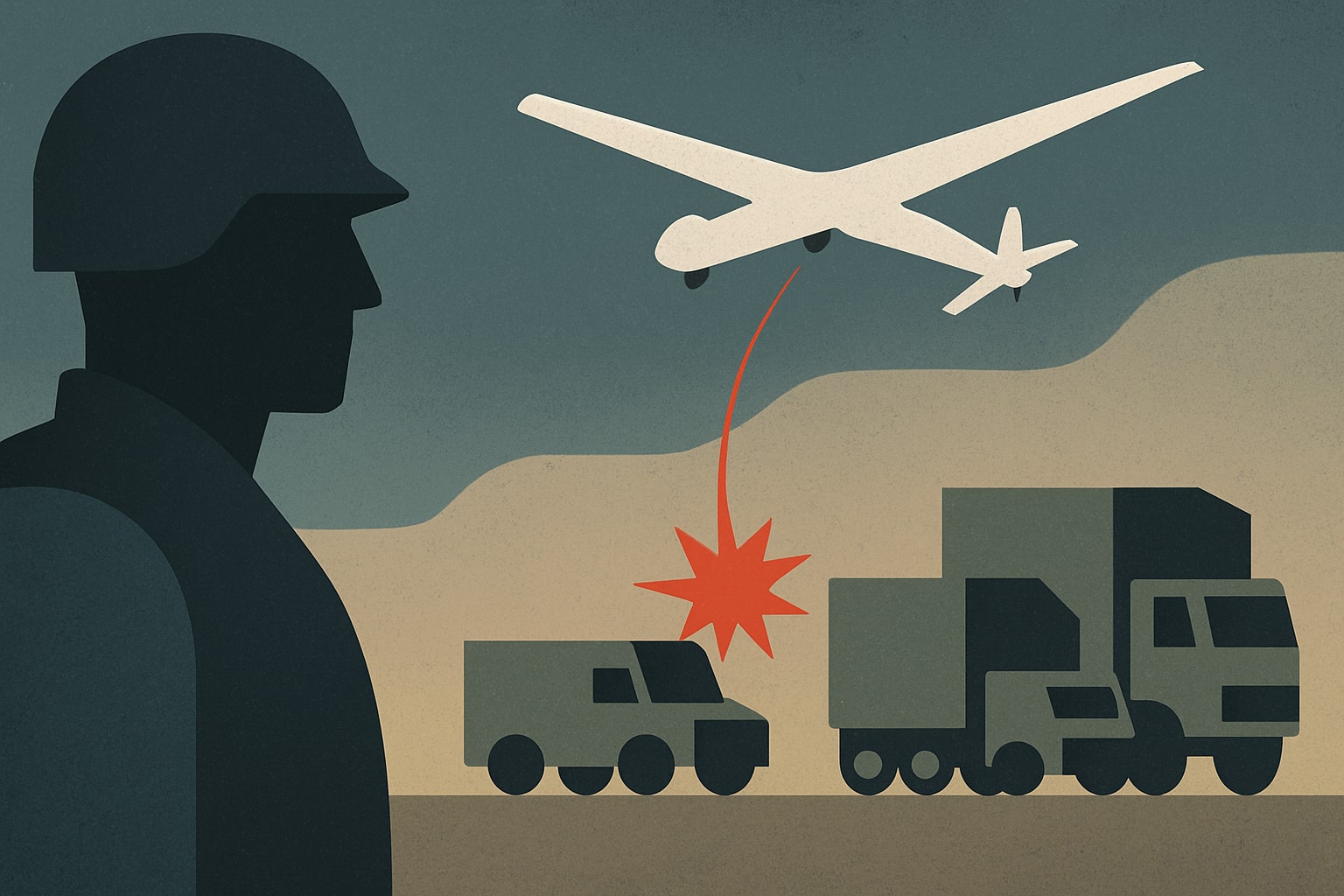
Ukraine's successful drone strikes against Russian supply lines offer critical lessons for U.S. military logistics and future conflict preparedness.
What's Happening
- •Ukraine is utilizing drone strikes to disrupt Russian supply lines effectively.
- •These tactics are demonstrating the vulnerabilities in traditional military logistics.
- •The U.S. military is observing these developments for potential strategic adjustments.
Why It Matters
The ongoing conflict in Ukraine serves as a critical case study for U.S. military operations, particularly concerning logistics. Understanding how drone warfare can disrupt supply lines is vital for maintaining operational effectiveness in future conflicts, directly impacting service members' readiness and strategic planning.
What Changes Now
- •U.S. military planners are reassessing logistics strategies in light of Ukraine's drone tactics. This reassessment will likely lead to updated training and operational guidelines for service members.
- •Active-duty logistics personnel may see changes in their training programs to include drone warfare tactics. This will prepare them for potential future conflicts where similar tactics are employed.
- •Reserve units may need to adjust their mobilization strategies to account for new threats posed by drone warfare. This could involve enhanced training and readiness protocols.
What to Watch
- •Watch for updates from U.S. military leadership regarding changes in logistics training. These updates will indicate how quickly the military is adapting to new threats.
- •Monitor the development of counter-drone technologies within the U.S. military. This will reveal the extent to which the military is prioritizing these capabilities in its strategic planning.
- •Keep an eye on NATO's response to Ukraine's tactics. Their strategies may influence U.S. military policy and operational adjustments.
Get the Daily Briefing
Military and veteran news that actually affects you, in your inbox each morning.
More Context
- •The Evolving Role of Drones in Modern Warfare: Drones have increasingly become a pivotal element in modern warfare, particularly in Ukraine's conflict with Russia. By targeting supply chains and logistics hubs, Ukraine has effectively crippled Russian forces' ability to sustain operations. This shift highlights the necessity for U.S. military planners to reassess how logistics are managed in the face of evolving threats. As technology advances, the reliance on traditional supply routes may become a significant vulnerability, necessitating innovative solutions to ensure operational readiness.
- •Implications for U.S. Military Strategy: The lessons learned from Ukraine's drone operations could have far-reaching implications for U.S. military strategy. As conflicts become more technologically driven, the U.S. must integrate drone warfare into its logistics planning. This includes investing in counter-drone technologies and developing tactics that minimize the risk of supply chain disruptions. The U.S. military's ability to adapt to these changes will be crucial in maintaining its strategic advantage in future conflicts.
- •Preparing for Future Conflicts: Active-duty personnel, particularly those in logistics roles such as 92Y (Unit Supply Specialist) and 88M (Motor Transport Operator), should be aware of these changing dynamics. Training programs may need to incorporate lessons from Ukraine to prepare service members for the realities of modern warfare. Additionally, National Guard and Reserve units should consider how these tactics might affect their mobilization and deployment strategies, ensuring they are equipped to respond to similar threats.
Frequently Asked Questions
Does this affect Guard members on Title 10 orders?
Yes, Guard members on Title 10 orders may need to adapt to new logistics training that incorporates lessons from Ukraine's drone tactics.
Will my BAH change if I move duty stations mid-year?
Your Basic Allowance for Housing (BAH) may change if you move to a new duty station, as BAH rates vary by location.
Key Takeaways
- •Ukraine's drone strikes are effectively disrupting Russian supply lines.
- •U.S. military logistics may need to adapt to counter similar tactics.
- •Active-duty and reserve personnel should prepare for evolving warfare dynamics.
The Daily Briefing
Military & veteran news that actually affects you — delivered every morning.
- Pay, benefits & policy changes
- Pentagon decisions that matter
- VA updates for veterans & families
- One email. No spam. Unsubscribe anytime.