Simulations Key to Building Trust Between Operators and CCAs
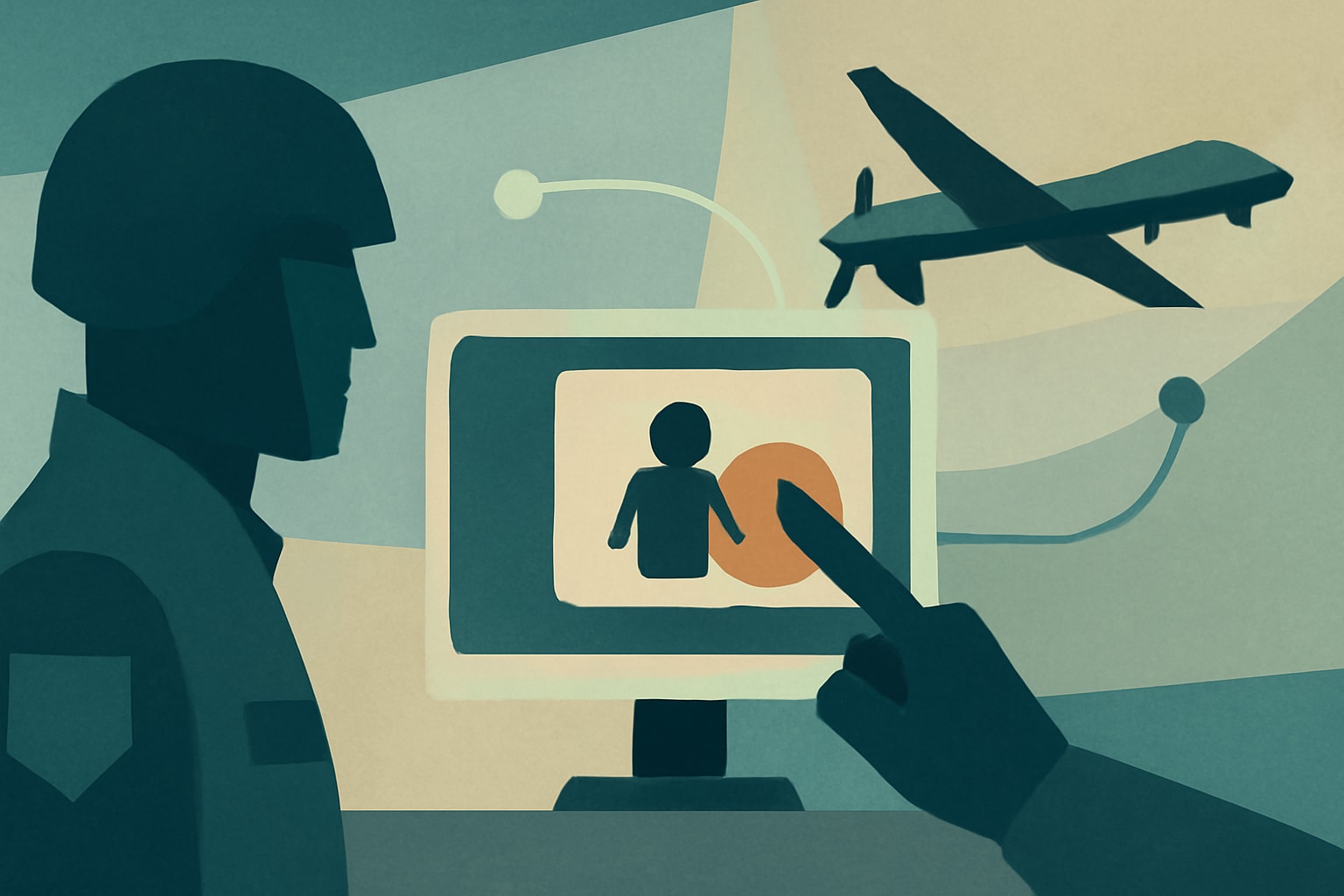
Former Air Force Secretary Frank Kendall highlights the importance of simulations in enhancing trust between military operators and Combat Control Airmen.
What's Happening
- •Frank Kendall, former U.S. Air Force Secretary, advocates for the use of simulations in military operations.
- •He emphasizes that simulations enhance trust between operators and Combat Control Airmen (CCAs).
- •Kendall believes that effective training through simulations can lead to better operational outcomes.
Why It Matters
The integration of simulations into military training is crucial for fostering trust among service members, particularly between operators and Combat Control Airmen. As military operations become increasingly complex, the ability to work seamlessly as a unit can significantly impact mission success and overall force readiness.
What Changes Now
- •The military will likely increase the use of simulations in training programs. This change aims to improve trust and collaboration among operators and CCAs.
- •Training protocols may be updated to emphasize joint simulations. This will require operators and CCAs to participate in more integrated exercises to enhance their teamwork.
- •Funding for advanced simulation technologies may see an increase. This investment is essential for keeping pace with evolving operational demands.
What to Watch
- •Upcoming military training exercises that incorporate advanced simulations. These exercises will provide insight into how well personnel adapt to new training methods.
- •The development of new simulation technologies by defense contractors. This will determine the effectiveness and realism of future training programs.
- •Potential policy changes regarding training requirements for operators and CCAs. These changes could significantly impact how personnel prepare for joint operations.
Get the Daily Briefing
Military and veteran news that actually affects you, in your inbox each morning.
More Context
- •The Role of Simulations in Military Training: Simulations have become an integral part of military training, allowing service members to engage in realistic scenarios without the risks associated with live exercises. Former Secretary Kendall points out that these simulations not only prepare operators for real-world situations but also foster collaboration and understanding between different roles, particularly between operators and CCAs. By practicing together in simulated environments, personnel can learn the strengths and limitations of each other's capabilities, which is essential for effective teamwork in high-stakes situations.
- •Building Trust Among Operators and CCAs: Trust is a critical element in military operations, especially when coordinating complex missions that require precise execution. Kendall argues that simulations serve as a foundation for building this trust, as they allow both operators and CCAs to understand each other's decision-making processes and operational styles. This mutual understanding can lead to more cohesive units that operate seamlessly under pressure, ultimately enhancing mission success rates.
- •Implications for Future Military Exercises: As the military continues to evolve, the integration of advanced simulation technologies will likely play a pivotal role in training programs. Leaders at various levels, including those in charge of training and readiness, should prioritize the development and implementation of simulation exercises. By investing in these resources, the military can ensure that personnel are better prepared for the challenges they may face in real-world operations, thereby improving overall force readiness.
Frequently Asked Questions
How will simulations affect my training as an operator?
Simulations will be increasingly integrated into your training, allowing for realistic scenarios that enhance your skills and trust with CCAs.
Will there be more joint exercises with CCAs in the future?
Yes, the military is prioritizing joint simulations to improve collaboration and operational effectiveness between operators and CCAs.
Veteran Take
For those who've served, the bond between operators and Combat Control Airmen is vital. Trust built through realistic simulations can be the difference between mission success and failure, especially in high-stakes environments. As we face more complex operations, investing in training that fosters this trust is essential for ensuring our forces are ready to respond effectively.
The Daily Briefing
Military & veteran news that actually affects you — delivered every morning.
- Pay, benefits & policy changes
- Pentagon decisions that matter
- VA updates for veterans & families
- One email. No spam. Unsubscribe anytime.
Related Stories
- Air Force Airman Confirmed Dead After Fall During College Football Event— Military.com
- Amelia Earhart's Plane May Be Closer to Discovery After 89 Years— Military.com
- DISA Faces Another Protest Over Enclave Contract Expansion— Federal News Network
- U.S. Army Expands Activities in Panama Amid Strategic Shift— Military Times