Trump Orders Pentagon to Scale Back Joint Exercises with South Korea
President Trump has directed the Pentagon to reduce annual military exercises with South Korea amid shifting geopolitical priorities.
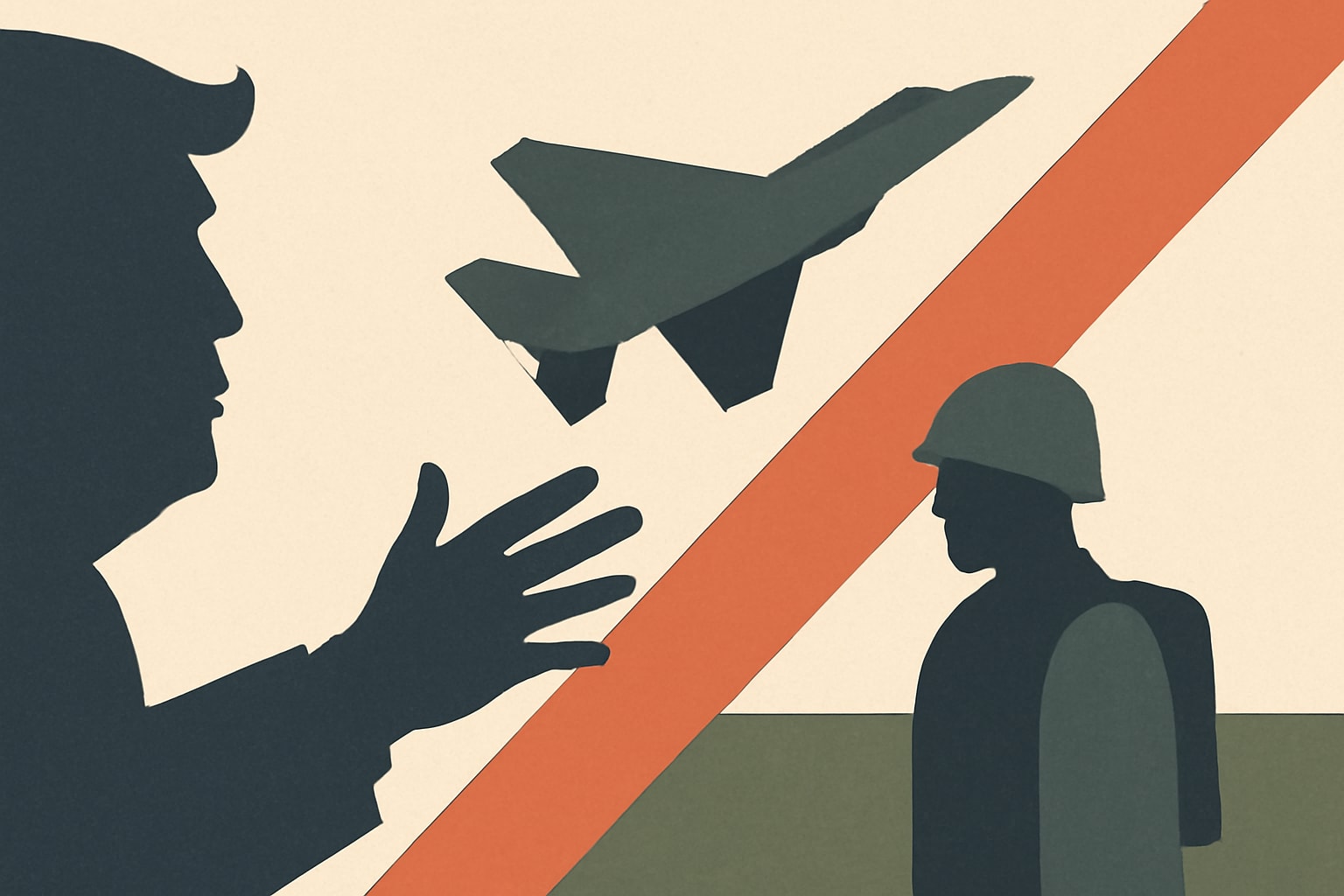
What's Happening
- •President Trump has ordered the Pentagon to scale back annual joint military exercises with South Korea.
- •The decision is based on South Korea's lack of support in the conflict against Iran.
- •This move comes amid ongoing diplomatic relations with North Korea's Kim Jong Un.
Why It Matters
This decision to reduce joint exercises with South Korea is significant as it directly affects military readiness and the strategic posture of U.S. forces in the Asia-Pacific region. For service members and their families, any changes in training and operational focus can have immediate impacts on career progression and personal lives.
What Changes Now
- •The Pentagon will begin scaling back joint military exercises with South Korea immediately. This change will alter training schedules for units involved in these exercises, affecting their operational readiness.
- •Service members may experience changes in their deployment timelines and training priorities. This could lead to a greater emphasis on individual or unit-level training rather than joint exercises.
- •Communication from leadership regarding training adjustments will be crucial. Service members should stay alert for updates from their commands to understand how these changes will affect their roles.
What to Watch
- •Monitor announcements from the Pentagon regarding the specifics of the scaled-back exercises. These details will provide clarity on how training will be adjusted moving forward.
- •Keep an eye on diplomatic developments between the U.S. and North Korea. Changes in this relationship could further influence military strategies and exercises in the region.
- •Watch for feedback from military leadership on the effectiveness of alternative training methods. This will help gauge how well service members are maintaining readiness without joint exercises.
Get the Daily Briefing
Military and veteran news that actually affects you, in your inbox each morning.
More Context
- •Impact on Military Readiness: The reduction of joint military exercises with South Korea could have significant implications for U.S. military readiness in the region. These exercises are crucial for maintaining operational capabilities and ensuring that U.S. forces are prepared to respond to threats. Active-duty personnel, particularly those in combat arms roles such as infantry (11B) and armor (19K), may find their training schedules altered, impacting their preparedness for potential conflicts.
- •Geopolitical Context: The decision to scale back exercises is rooted in a complex geopolitical landscape. President Trump's assertion of a strong relationship with North Korea's leader, Kim Jong Un, suggests a shift in U.S. strategy in the region. This change may influence not only U.S.-South Korea relations but also how adversaries perceive U.S. commitment to regional security, particularly in light of North Korea's ongoing missile tests and military provocations.
- •Reactions from Military Leadership: Military leaders have expressed concerns regarding the implications of reduced exercises on deterrence and alliance cohesion. Joint exercises have historically served to strengthen the U.S.-South Korea alliance, and scaling them back may lead to diminished trust and operational integration. Service members, especially those in joint command roles, will need to adapt to new operational procedures and potentially face increased scrutiny regarding their readiness.
- •What This Means for Service Members: For service members, particularly those stationed in South Korea or involved in the Pacific Command, this change may lead to uncertainty regarding future deployments and training opportunities. Units may need to reassess their training priorities and focus on alternative methods to maintain readiness. Additionally, service members should stay informed about any updates from their chain of command regarding training schedules and operational directives.
Frequently Asked Questions
Does this affect Guard members on Title 10 orders?
Yes, Guard members on Title 10 orders may see changes in training and operational focus due to the reduction in joint exercises.
Will my BAH change if I move duty stations mid-year?
Your Basic Allowance for Housing (BAH) may change if you move to a new duty station with a different BAH rate, so it's important to check the rates for your new location.
The Daily Briefing
Military & veteran news that actually affects you — delivered every morning.
- Pay, benefits & policy changes
- Pentagon decisions that matter
- VA updates for veterans & families
- One email. No spam. Unsubscribe anytime.
Related Stories
- U.S. Establishes New Autonomous Warfare Command to Enhance Drone Operations— DefenseScoop
- Navy to Procure 30 Robotic Ships at an Average Cost of $40M Each— DefenseScoop
- Russia Plans 27% Increase in Military Spending for 2027— Defense News
- Federal Appeals Court Upholds Pentagon’s Blacklisting of Anthropic— Military Times