Trump Advocates for Right to Repair in Automotive Industry
President Trump asserts that automakers limit repair options, promising to advocate for consumer rights.
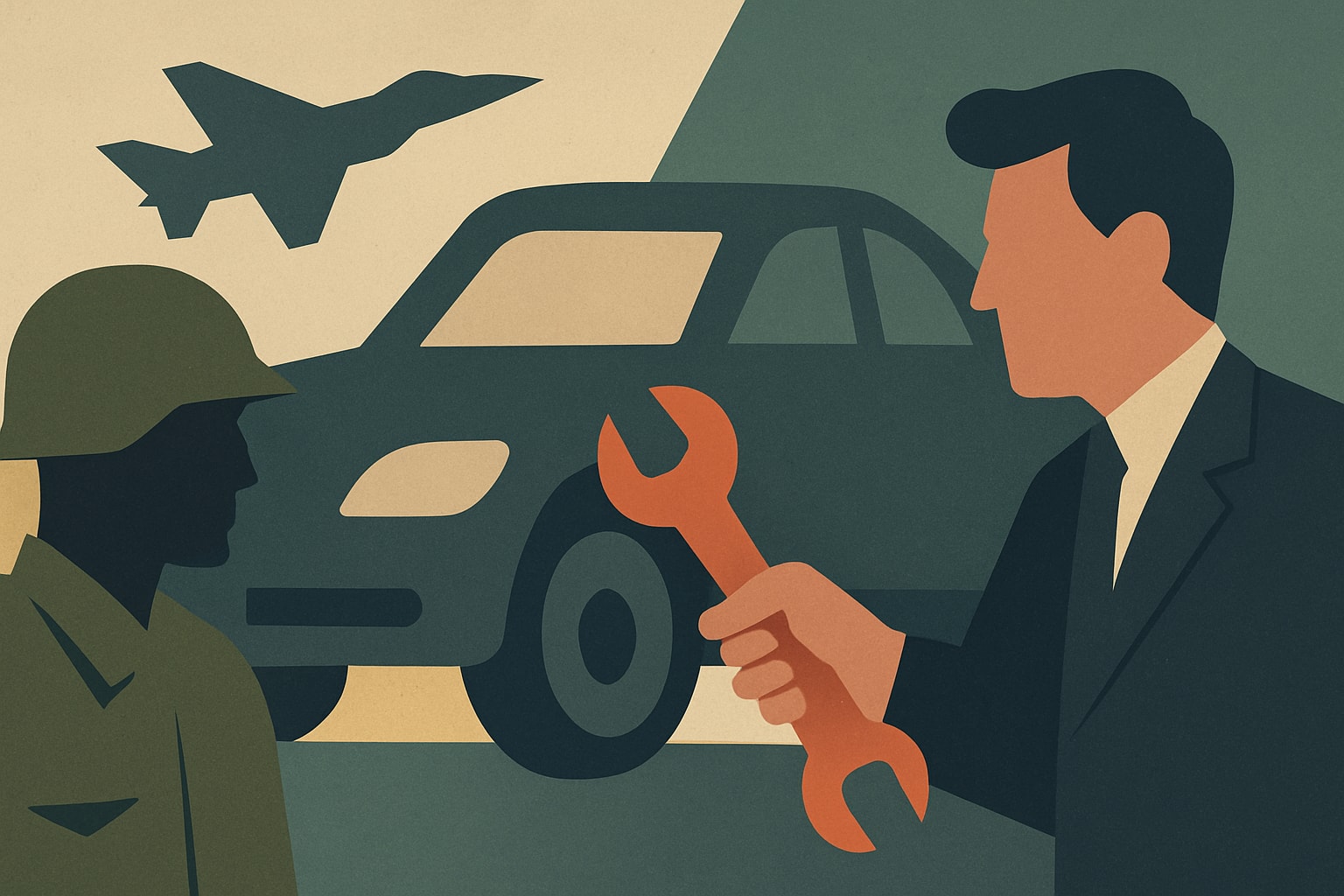
What's Happening
- •President Trump has publicly stated that automakers are restricting consumers' ability to repair their own vehicles.
- •He has pledged to take action to ensure that consumers can access necessary repair information and tools.
- •This initiative is part of a broader discussion on consumer rights and corporate accountability.
Why It Matters
This issue is particularly relevant for military personnel and veterans who often face unique challenges in maintaining their vehicles. The potential for increased access to repair resources could alleviate some of the burdens associated with vehicle upkeep, especially for those stationed in remote areas or deployed.
What Changes Now
- •Trump's advocacy may prompt automakers to revise their policies on repair accessibility. This could lead to more transparent access to repair manuals and parts for consumers.
- •Increased consumer pressure may result in legislative proposals aimed at supporting the right to repair. This means that service members and veterans should stay informed about potential changes in automotive repair laws.
- •The automotive industry may begin to adapt to consumer demands for repair rights. This could translate into more options for service members looking to maintain their vehicles affordably.
What to Watch
- •Upcoming legislation related to the right to repair will be crucial to monitor. This may involve discussions in Congress regarding consumer protection.
- •The automotive industry's response to Trump's comments will be significant. Stakeholders will be watching for any shifts in corporate policies regarding repair access.
- •Consumer advocacy groups may mobilize to support repair rights initiatives. Their actions could influence the pace and direction of policy changes.
Get the Daily Briefing
Military and veteran news that actually affects you, in your inbox each morning.
More Context
- •Understanding the Right to Repair Movement: The right to repair movement advocates for consumers' ability to fix their own products, particularly electronics and vehicles. This movement has gained traction as consumers express frustration over manufacturers limiting access to repair manuals and parts. By addressing these restrictions, the movement aims to promote sustainability and consumer autonomy, allowing individuals to make repairs without relying on manufacturers.
- •Implications for Military Personnel and Veterans: For active duty service members and veterans, particularly those with automotive skills or interests, Trump's involvement in this issue could lead to more accessible repair options. Service members often face unique challenges with vehicle maintenance, especially when stationed in remote locations. Enhanced repair rights may reduce costs and improve vehicle reliability, which is crucial for those who rely on their vehicles for daily activities and deployments.
- •What Changes Now?: As a result of Trump's statements, automakers may be pressured to reconsider their repair policies. This could lead to increased transparency regarding repair information and parts availability. For service members, this means potential savings on repair costs and improved access to necessary tools and parts, which can enhance their vehicle maintenance capabilities.
- •Looking Ahead: What to Watch: Key developments to monitor include any proposed legislation that emerges from this initiative. Additionally, the automotive industry's response to Trump's statements will be critical in shaping future repair policies. Stakeholders, including consumer advocacy groups and military organizations, may also influence the direction of these discussions.
Frequently Asked Questions
Does this affect Guard members on Title 10 orders?
Yes, Guard members on Title 10 orders will benefit from any changes in automotive repair policies, as they often face similar vehicle maintenance challenges as active duty service members.
Will my BAH change if I move duty stations mid-year?
Your Basic Allowance for Housing (BAH) may change if you move to a new duty station, as BAH rates are determined by location and can vary significantly.
Veteran Take
For those who've served, maintaining a vehicle can be a daunting task, especially when access to repair options is limited. The promise of increased consumer rights in the automotive industry could make a real difference for veterans who often find themselves in remote locations or facing deployment. Having the ability to repair our vehicles without unnecessary hurdles is essential for ensuring our mobility and independence.
The Daily Briefing
Military & veteran news that actually affects you — delivered every morning.
- Pay, benefits & policy changes
- Pentagon decisions that matter
- VA updates for veterans & families
- One email. No spam. Unsubscribe anytime.
Related Stories
- FEDVIP Dental Premiums to Rise 1%, Vision Premiums by 1.6% for 2027— Military.com
- Pentagon Threatens Universities Over Foreign Ties, Considers Audits— DefenseScoop
- Team Collaborates to Digitally Preserve Polish Revolutionary War Hero's Legacy at West Point— Military Times
- Army's ACE Program Aims to Enhance Commanders' Tactical Capabilities— DefenseScoop