Traumatic Brain Injuries Among Veterans Surge by 26%
Recent data shows a significant rise in TBI cases among veterans, leading to calls for enhanced research funding.
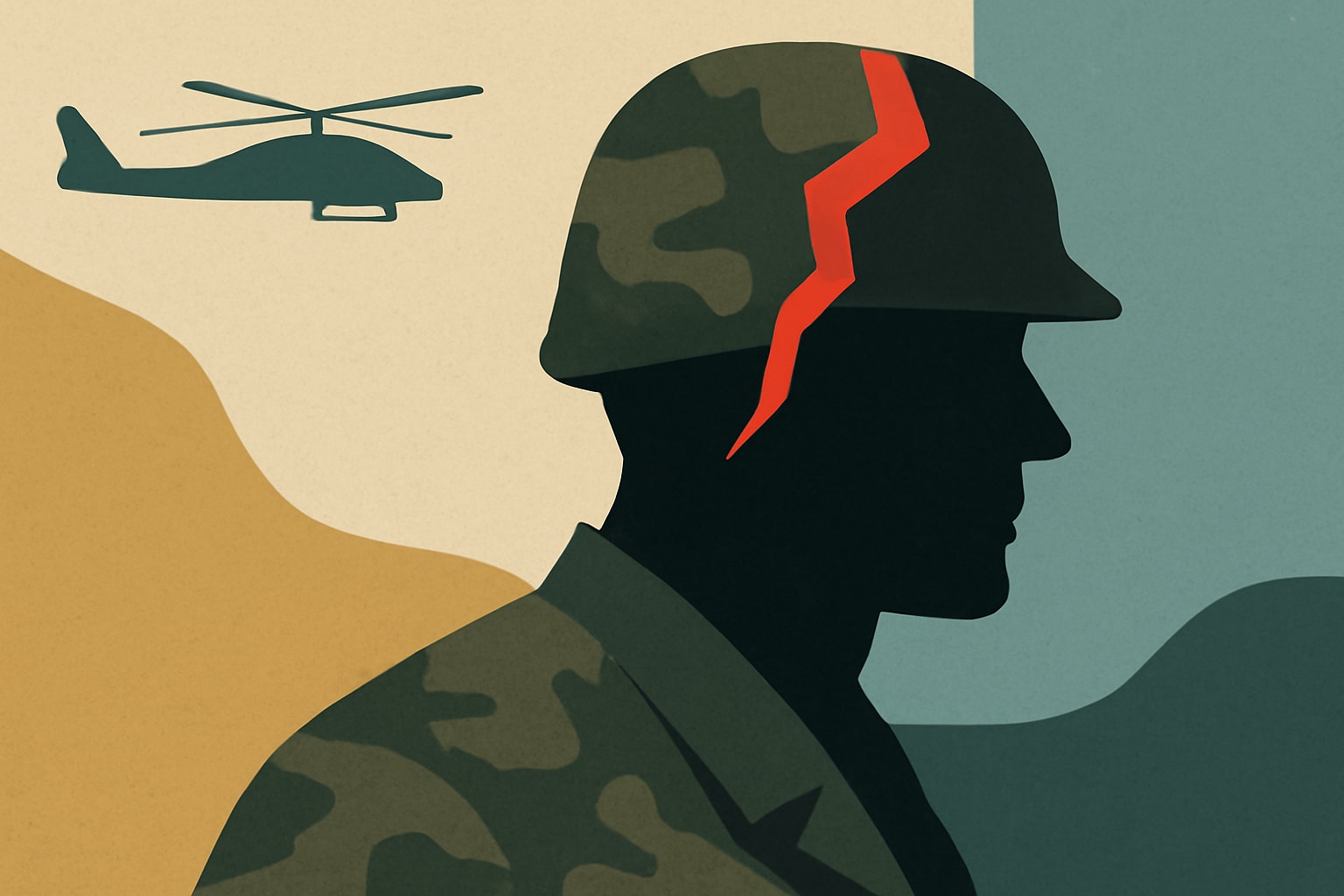
What's Happening
- •The number of reported traumatic brain injury (TBI) cases among veterans increased by 26% from 2021 to 2025.
- •This surge in TBI cases has raised concerns among veteran advocacy groups.
- •Veterans are advocating for more research funding to address the growing issue of TBIs.
Why It Matters
The significant rise in traumatic brain injuries among veterans underscores a critical health issue that requires immediate attention. Increased funding for research can lead to better treatment options and support for affected veterans, ultimately improving their quality of life and that of their families.
What Changes Now
- •Veterans are encouraged to seek medical evaluations for suspected TBIs. This proactive approach can lead to timely treatment and support.
- •Advocacy groups are mobilizing to push for legislative changes regarding TBI research funding. This effort aims to secure more resources for understanding and treating TBIs effectively.
- •Increased awareness about TBIs is prompting veterans to share their experiences. This sharing can help reduce stigma and encourage others to seek help.
What to Watch
- •Legislative proposals for increased TBI research funding are expected in the upcoming congressional session. Monitoring these proposals will be crucial for veterans seeking improved care.
- •Veteran advocacy organizations are planning awareness campaigns about TBIs. These campaigns will aim to educate veterans and their families on recognizing symptoms and available resources.
- •The VA may update its reporting mechanisms for TBI cases. Keeping an eye on these updates can help veterans understand how their injuries are documented and addressed.
Get the Daily Briefing
Military and veteran news that actually affects you, in your inbox each morning.
More Context
- •Understanding the Rise in TBI Cases: The reported increase in traumatic brain injuries among veterans highlights a concerning trend over the past four years. A 26% rise in cases documented in the VA database indicates that more veterans are experiencing these injuries, which can have lasting effects on cognitive and physical health. Factors contributing to this increase may include the nature of modern combat, where explosive devices are prevalent, as well as improved reporting mechanisms that encourage veterans to seek help for their injuries.
- •Advocacy for Increased Research Funding: In light of the alarming rise in TBI cases, veteran advocacy groups are calling for increased funding for research into prevention, diagnosis, and treatment. Organizations like the Veterans of Foreign Wars (VFW) and the American Legion are pushing for legislative action to allocate more resources toward TBI research. This funding is crucial not only for developing better treatment options but also for understanding the long-term effects of TBIs on veterans' quality of life.
- •Impact on Veterans and Their Families: The rise in TBIs affects not just the veterans themselves but also their families and support networks. Veterans suffering from TBIs may face challenges in employment, relationships, and overall well-being, leading to increased stress for family members. It is essential for families to be aware of the symptoms of TBIs and to seek appropriate support and resources, including counseling and rehabilitation services.
- •What Veterans Can Do Now: Veterans who suspect they may have suffered a TBI should seek medical evaluation through the VA or their healthcare provider. It is important to document any symptoms and injuries, as this information can be vital for treatment and potential disability claims. Additionally, veterans can advocate for themselves by joining local veteran organizations that focus on health issues, which can provide resources and support for navigating the healthcare system.
Frequently Asked Questions
What should I do if I think I have a TBI?
Seek a medical evaluation from your VA provider or local healthcare facility as soon as possible.
Are there resources for families of veterans with TBIs?
Yes, many veteran organizations offer support and resources for families dealing with TBIs.
How can I advocate for more research funding?
Join veteran advocacy groups and participate in campaigns aimed at increasing awareness and funding for TBI research.
Veteran Take
For those who've served, the surge in traumatic brain injuries is a stark reminder of the unseen wounds many carry long after their service. Veterans navigating this reality know firsthand the challenges that come with TBI, from mental health struggles to daily functioning. It's crucial that we advocate for the funding and research needed to improve treatment options, ensuring that our brothers and sisters receive the care they deserve.
The Daily Briefing
Military & veteran news that actually affects you — delivered every morning.
- Pay, benefits & policy changes
- Pentagon decisions that matter
- VA updates for veterans & families
- One email. No spam. Unsubscribe anytime.
Related Stories
- Air Force Tech. Sgt. Ian Patterson Dies at College Football Game— Military.com
- Fundraiser Seeks $12,000 for Children of Army Veteran Killed in Hit-and-Run— Military.com
- Essential FAQs on VA Home Loans for Veterans— Military.com
- VA's Electronic Health Record Modernization Costs Jump to $48 Billion— Army Times