Anduril Unveils Thunder: An Autonomous Attack Rotorcraft for Military Operations
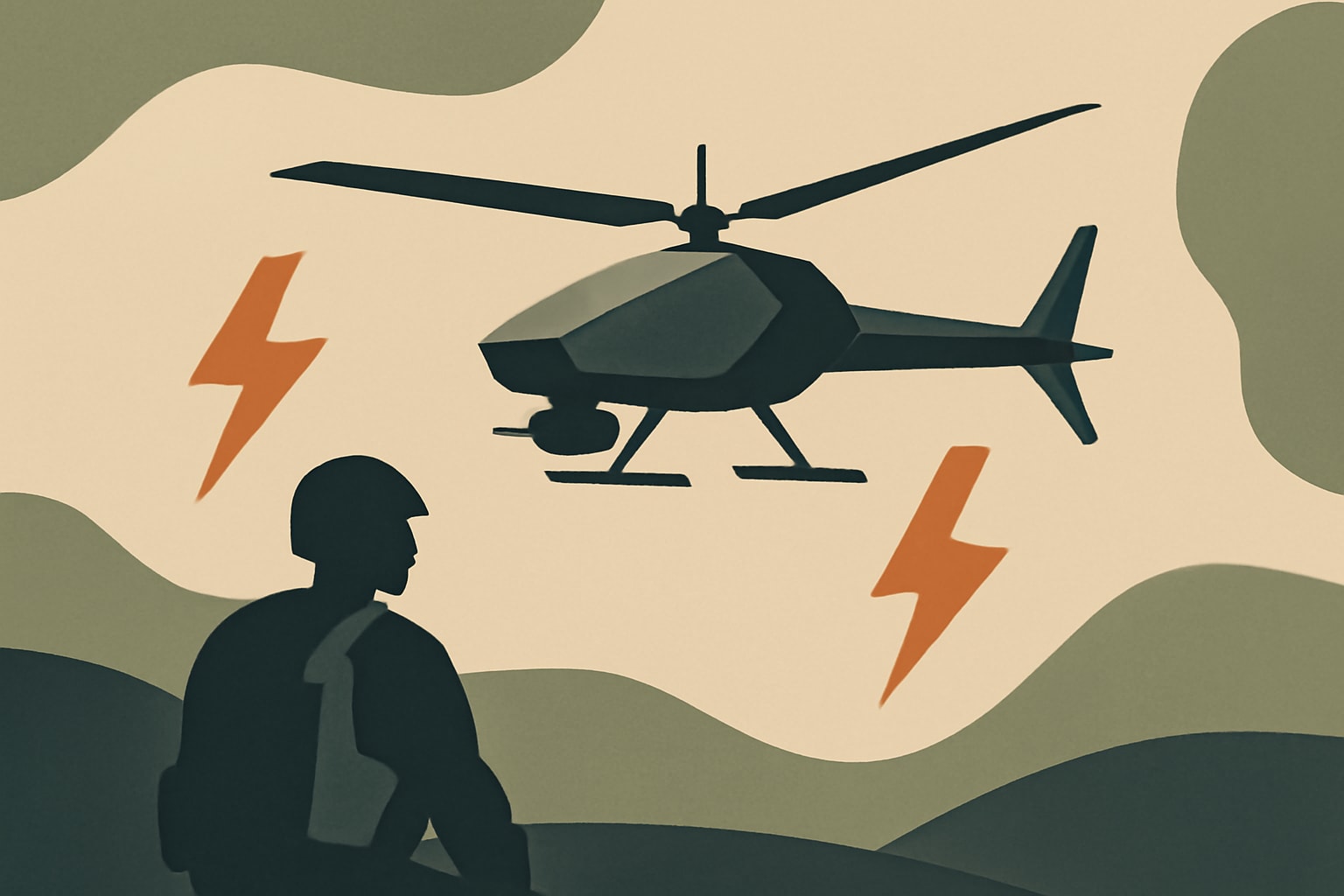
The new rotorcraft, named Thunder, is designed to enhance the capabilities of current and future crewed military helicopters.
What's Happening
- •Anduril Technologies has introduced an autonomous attack rotorcraft named Thunder.
- •Thunder is designed to operate alongside both current and next-generation crewed attack helicopter platforms.
- •The rotorcraft aims to enhance operational capabilities for military missions.
Why It Matters
The introduction of Thunder represents a significant advancement in military technology, particularly in the realm of unmanned systems. For service members, this could mean a shift in operational tactics and safety protocols, as autonomous systems become more integrated into combat operations.
What Changes Now
- •The introduction of Thunder will require military units to adapt their operational strategies. This means that training programs will need to incorporate new protocols for working alongside autonomous systems.
- •Active-duty pilots will need to familiarize themselves with the capabilities and limitations of Thunder. This training will likely be implemented within the next year as the rotorcraft undergoes testing.
- •Units engaged in combat operations may see a shift in mission planning due to the inclusion of Thunder. This could enhance mission effectiveness while reducing risk to human pilots.
What to Watch
- •Upcoming tests for Thunder are scheduled to begin within the next year. These evaluations will determine the rotorcraft's operational capabilities and integration into military units.
- •The Department of Defense will make decisions regarding funding and procurement based on the outcomes of the tests. Stakeholders should monitor announcements for updates on timelines and funding allocations.
- •As Thunder progresses through testing, military leadership will assess its impact on current aviation operations. This assessment will influence how quickly the technology is adopted across different branches.
Get the Daily Briefing
Military and veteran news that actually affects you, in your inbox each morning.
More Context
- •Overview of Thunder: Anduril Technologies has unveiled its latest innovation, the Thunder autonomous attack rotorcraft. This new platform is engineered to complement existing crewed helicopters, providing enhanced operational flexibility and capability. By integrating advanced technologies, Thunder aims to perform a variety of missions that can be executed without direct human intervention. This development is part of a broader trend towards automation in military operations, reflecting the increasing reliance on unmanned systems to augment traditional forces.
- •Implications for Military Operations: The introduction of Thunder could significantly impact how military operations are conducted. By allowing for autonomous flight and engagement capabilities, the rotorcraft may reduce the risk to human pilots in high-threat environments. This shift could lead to a reevaluation of mission planning and execution, particularly for units engaged in combat operations. For example, units such as Army Aviation (15 series MOS) and Marine Corps helicopter squadrons may find new tactics and strategies emerging as they incorporate Thunder into their operations.
- •Who Will Be Affected?: The deployment of Thunder will primarily affect active-duty pilots and support personnel in aviation roles, including those in the Army and Marine Corps. Specifically, this includes ranks from E-5 to O-3 who are involved in helicopter operations. Additionally, this technology may impact training programs as service members will need to adapt to working alongside autonomous systems. The integration of such technology will require a shift in skill sets and operational understanding for those involved in aviation and ground support.
- •Next Steps and Future Developments: As Anduril continues to develop Thunder, military leadership will need to assess its operational readiness and integration into existing fleets. Upcoming tests and evaluations are expected to take place over the next year, with decisions on procurement likely to follow. The outcomes of these evaluations will determine how quickly Thunder can be operationalized within military units. Stakeholders should monitor announcements from the Department of Defense regarding funding and deployment timelines for this new technology.
Frequently Asked Questions
Does this affect Guard members on Title 10 orders?
Yes, if Thunder is integrated into operational units, it will impact all service members, including those in the National Guard on Title 10 orders.
Will my BAH change if I move duty stations mid-year?
Your Basic Allowance for Housing (BAH) may change if you relocate to an area with a different BAH rate. It's important to update your information in the Defense Travel System (DTS) after moving.
Veteran Take
For those who've served, the introduction of autonomous systems like Thunder marks a pivotal shift in how we approach combat and operational safety. As technology evolves, we must adapt our tactics and training to harness these advancements while ensuring that our service members remain at the forefront of decision-making. This development could potentially save lives, but it also brings new challenges in terms of trust and reliance on machines in high-stakes situations.
The Daily Briefing
Military & veteran news that actually affects you — delivered every morning.
- Pay, benefits & policy changes
- Pentagon decisions that matter
- VA updates for veterans & families
- One email. No spam. Unsubscribe anytime.
Related Stories
- Air Force Airman Confirmed Dead After Fall During College Football Event— Military.com
- Amelia Earhart's Plane May Be Closer to Discovery After 89 Years— Military.com
- Former Army Generals Warn Against U.S. Siding with Russia Over Ukraine— Military.com
- Acting Army Secretary Proposes Amazon-like Drone Marketplace for Procurement— Task & Purpose