Third US Aircraft Carrier Arrives in the Middle East Amid Rising Tensions with Iran
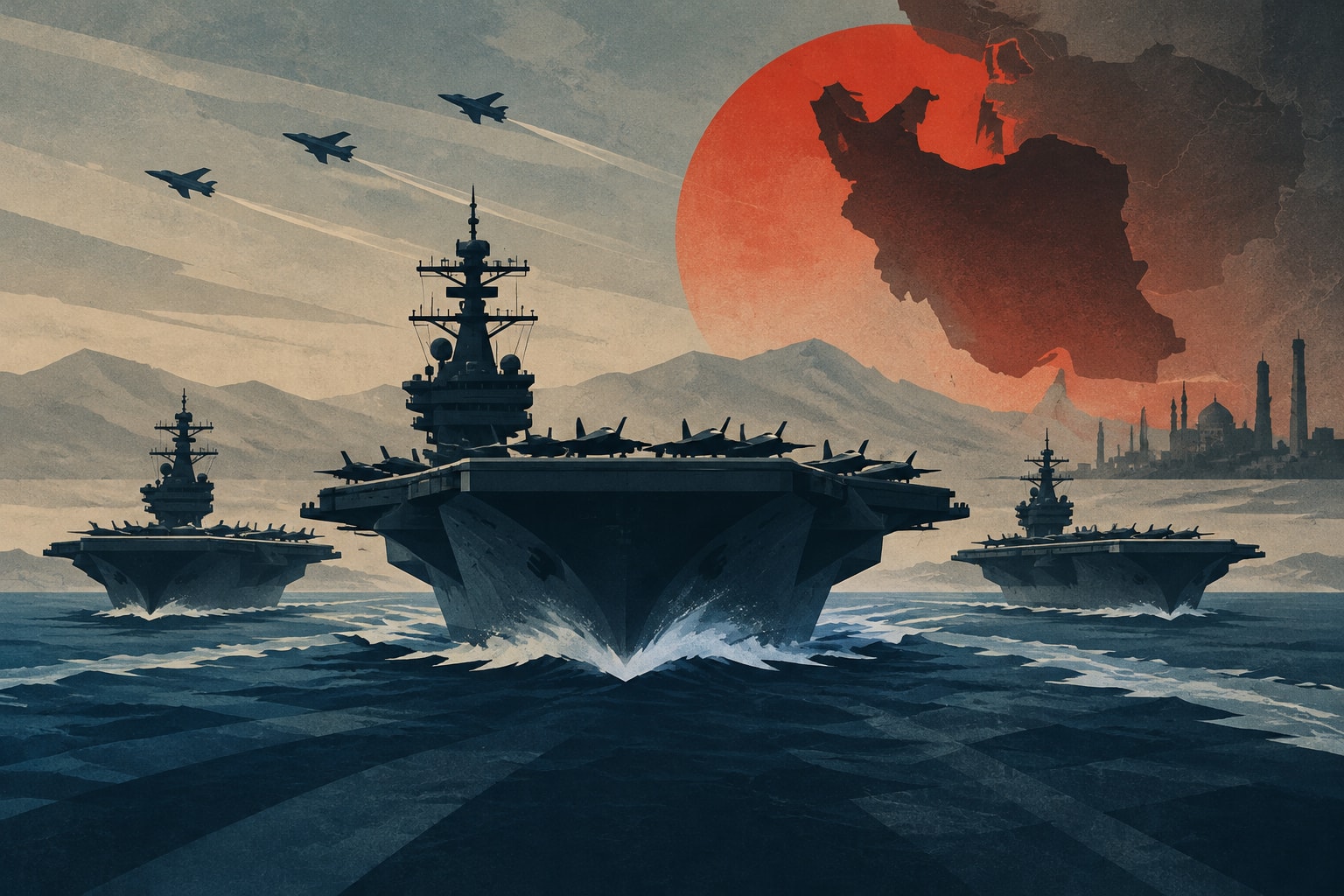
The U.S. Navy has deployed a third aircraft carrier to the Middle East, enhancing military readiness as tensions with Iran escalate.
What's Happening
- •The U.S. Navy has deployed a third aircraft carrier to the Middle East as part of a larger naval presence.
- •The flotilla now includes 13 destroyers, two cruisers, and a littoral combat ship in the Arabian Sea.
- •This military buildup comes amid ongoing tensions with Iran and potential conflict scenarios.
Why It Matters
The deployment of a third aircraft carrier to the Middle East underscores the U.S. military's commitment to deterring threats from Iran. For active-duty service members and their families, this development may lead to changes in deployment schedules, operational readiness, and support resources available to them.
What Changes Now
- •The deployment of a third aircraft carrier increases the operational tempo for Navy personnel in the region. This means that service members may face longer deployments and more frequent operational exercises.
- •Families of deployed service members should prepare for the emotional and logistical challenges of extended absences. Engaging with support networks and resources will be essential for managing these changes.
- •The presence of additional naval assets may lead to increased military exercises in the Arabian Sea. Service members should stay informed about potential changes to their operational duties and schedules.
What to Watch
- •Monitor updates from the Department of Defense regarding operational readiness and mission changes. These updates will provide clarity on deployment timelines and potential shifts in military strategy.
- •Keep an eye on regional news regarding U.S.-Iran relations, as developments may influence military operations in the Middle East. Understanding the geopolitical landscape will help service members and families prepare for possible changes.
- •Watch for announcements from Navy leadership regarding upcoming exercises and deployments. These announcements will inform service members of their roles and responsibilities in the evolving operational environment.
Get the Daily Briefing
Military and veteran news that actually affects you, in your inbox each morning.
More Context
- •Increased Naval Presence: The arrival of a third aircraft carrier in the Middle East marks a significant escalation in U.S. military readiness. This flotilla, now comprising 13 destroyers, two cruisers, and a littoral combat ship, is strategically positioned in the Arabian Sea to deter potential threats from Iran. Military analysts suggest that this increased presence serves as a clear signal to Tehran regarding U.S. commitment to regional security. For service members stationed in the area, this means heightened operational readiness and potential involvement in increased military exercises.
- •Operational Implications for Service Members: Active-duty Navy personnel, particularly those in operational roles such as surface warfare officers (SWOs) and aviation support, will see a direct impact from this deployment. The increased naval presence may lead to extended deployments and heightened operational tempo, which can affect morale and family life. For junior enlisted sailors, particularly E-4 to E-6 ranks, this could mean longer periods away from home and adjustments in family support services. It's crucial for these service members to stay informed about their deployment schedules and available support resources.
- •Potential Impact on Military Families: Military families, especially those with spouses serving on these carriers, should prepare for the implications of extended deployments. The presence of additional naval assets may lead to longer operational commitments, which can strain family dynamics. Resources such as the Fleet and Family Support Center can provide vital assistance in managing these challenges. Families are encouraged to engage with support networks to navigate the emotional and logistical aspects of deployments.
- •Monitoring Future Developments: As tensions with Iran continue to evolve, service members and their families should remain vigilant about potential changes in deployment orders and military operations. The Department of Defense is expected to provide updates on operational readiness and any changes in mission parameters. Service members should regularly check official channels, such as their unit's communication platforms, for the latest information on deployments and operational changes.
Frequently Asked Questions
Does this affect Guard members on Title 10 orders?
Yes, Guard members on Title 10 orders may be called to support operations related to the increased naval presence.
Will my BAH change if I move duty stations mid-year?
Your Basic Allowance for Housing (BAH) may change if you move to a new duty station, depending on the location and your rank.
The Daily Briefing
Military & veteran news that actually affects you — delivered every morning.
- Pay, benefits & policy changes
- Pentagon decisions that matter
- VA updates for veterans & families
- One email. No spam. Unsubscribe anytime.
Related Stories
- DoD Restores Parental Access to Teens’ Medical Records— Military Times
- US Army Takes Urgent Action to Build Concrete Bunkers Across the Middle East— Military Times
- Pentagon Warns Troops Against Using Prediction Markets Amid Enforcement Issues— Air & Space Forces Magazine
- Neros to Expand Domestic Drone Production with $450M Pentagon Loan— Military Times