Decades Later, Veterans and Their Children Seek Connection Through DNA
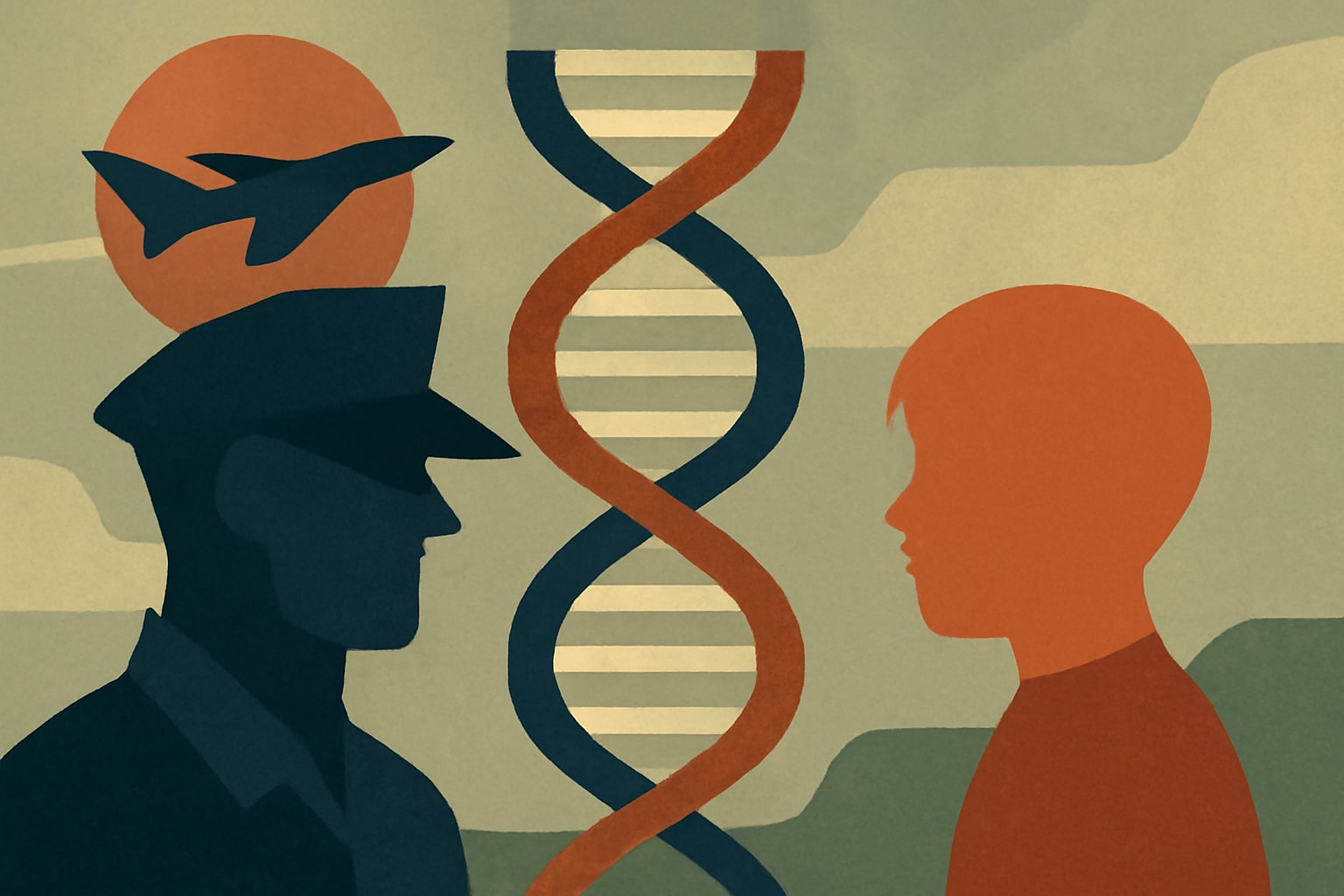
Aging veterans and their children are using DNA testing to reconnect decades after separation from service in Asia.
What's Happening
- •Aging veterans are using DNA testing to find children they left behind during service in Asia.
- •This initiative is providing answers to questions that have lingered for decades.
- •The movement highlights the emotional and social impacts of military service on families.
Why It Matters
This issue is significant for veterans who may have unresolved feelings regarding their past relationships, particularly those who served in conflicts abroad. The ability to reconnect with children left behind can provide closure and healing for both veterans and their families, contributing to their overall well-being.
What Changes Now
- •Veterans can now utilize DNA testing to reconnect with children they left behind. This option provides a tangible method for addressing long-standing emotional issues and can lead to reunions that many have sought for decades.
- •Organizations supporting veterans are increasingly offering resources related to family reunification. This support may include counseling services, legal advice, and guidance on navigating the complexities of reconnecting with estranged family members.
- •The conversation around military families is evolving, emphasizing the importance of emotional health and familial connections. This shift encourages more veterans to seek help and take action regarding their past relationships.
What to Watch
- •Monitor the growth of organizations dedicated to helping veterans reconnect with families. These organizations may expand their services and outreach efforts in response to increasing demand.
- •Watch for developments in DNA testing technology that could enhance accuracy and accessibility for veterans. As technology advances, more veterans may find it easier to locate their children.
- •Keep an eye on legislative efforts aimed at supporting veterans and their families. Changes in policy could provide additional resources or funding for family reunification initiatives.
Get the Daily Briefing
Military and veteran news that actually affects you, in your inbox each morning.
More Context
- •The Role of DNA Testing in Reunification: In recent years, DNA testing has emerged as a vital tool for veterans seeking to reconnect with children they left behind during their service in Asia. This technology allows individuals to trace familial connections that were severed due to military obligations, providing a pathway for emotional healing and closure. Veterans who served in conflicts such as the Vietnam War often return home with unresolved questions about their families. As these veterans age, the urgency to find their children and understand their past becomes increasingly important.
- •Impact on Veterans and Their Families: The emotional toll on veterans who left children behind can be profound. Many experience feelings of guilt or loss, which can affect their mental health and relationships later in life. For the children, the search for their fathers or mothers can lead to a journey of self-discovery and identity. This reconnection can help both parties heal from the past and build new relationships based on understanding and shared experiences. The use of DNA testing not only serves as a scientific method of connection but also as a catalyst for personal narratives and histories that have long been silenced.
- •Practical Steps for Veterans Seeking Reconnection: Veterans interested in using DNA testing to find their children should start by researching reputable DNA testing services that specialize in family connections. It is essential to gather as much information as possible about their past, including names, locations, and any known relatives, to increase the chances of a successful match. Additionally, veterans can reach out to organizations that assist in family reunification efforts, which may provide support and resources throughout the process. Understanding the legal and emotional implications of such searches is also crucial, as these journeys can be complex and sensitive.
Frequently Asked Questions
How can veterans start searching for children they left behind?
Veterans can begin by researching reputable DNA testing services and gathering any available information about their past relationships, such as names and locations.
What emotional support is available for veterans during this process?
Veterans can reach out to organizations that specialize in family reunification, which often provide counseling and resources to help navigate the emotional complexities of reconnecting.
Are there legal implications when reconnecting with children left behind?
Yes, there can be legal considerations regarding custody and parental rights, so it's advisable for veterans to seek legal advice before initiating contact.
The Daily Briefing
Military & veteran news that actually affects you — delivered every morning.
- Pay, benefits & policy changes
- Pentagon decisions that matter
- VA updates for veterans & families
- One email. No spam. Unsubscribe anytime.
Related Stories
- Connecticut Receives $600,000 VA Grant to Expand Veterans Cemetery With 1,510 Burial Plots— Military.com
- Understanding the Pros and Cons of Assuming a VA Loan— Military.com
- Colorado Community Rallies to Support 101-Year-Old WWII Veteran Ed Beck— Military.com
- Army Veteran, Cancer Survivor Biking 240 Miles to Raise $1M for Disease Research— Military.com