Affordable Plug-In Hybrid Vehicles Offer Relief from High Gas Prices
Plug-in hybrid vehicles provide a cost-effective alternative to traditional gasoline cars amidst fluctuating fuel costs.
What's Happening
- •Gas prices have reached highs of $4 per gallon in some regions.
- •Plug-in hybrid electric vehicles (PHEVs) are becoming more affordable.
- •PHEVs combine electric and gasoline power for improved fuel efficiency.
Why It Matters
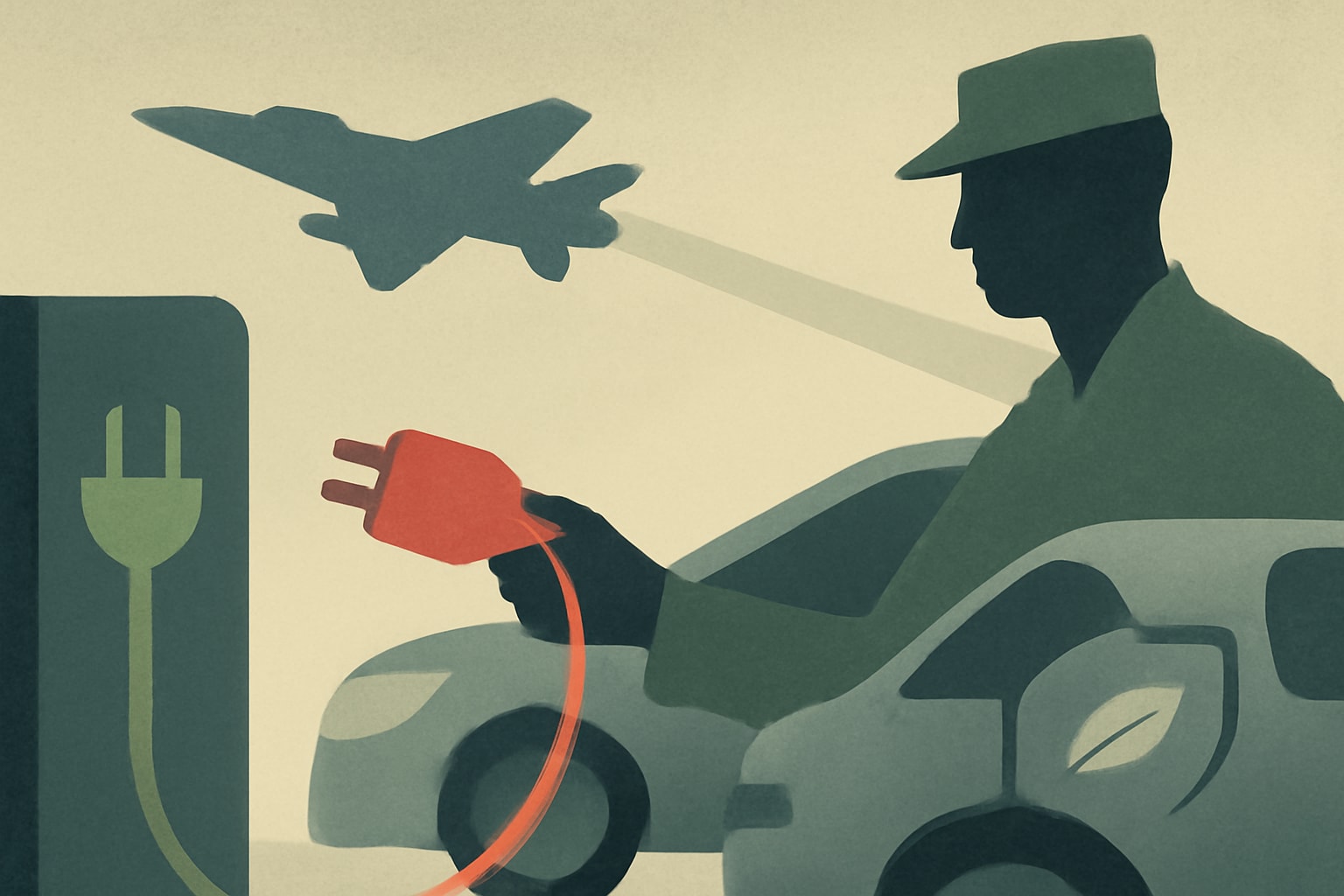
Rising gas prices can heavily impact the budgets of military families, which often face unique financial pressures due to frequent relocations and long commutes. PHEVs present a viable solution for service members and their families, providing both financial relief and a sustainable transportation option.
What Changes Now
- •Military families may experience reduced transportation costs by adopting PHEVs. This shift can ease financial burdens during high gas price periods.
- •The military community may see an increase in environmentally friendly vehicle adoption. This aligns with broader sustainability goals and can enhance the community's overall environmental impact.
- •Consumers will have access to a wider range of affordable PHEV models. This variety allows families to choose vehicles that best meet their specific needs.
What to Watch
- •Monitor changes in government incentives for PHEV purchases. These incentives can significantly affect the affordability of these vehicles for military families.
- •Keep an eye on advancements in battery technology and charging infrastructure. Improvements in these areas will enhance the practicality and appeal of PHEVs.
- •Watch for new PHEV models being introduced by manufacturers. Increased competition in the market may lead to better options and pricing for consumers.
Get the Daily Briefing
Military and veteran news that actually affects you, in your inbox each morning.
More Context
- •The Rise of PHEVs Amid High Gas Prices: As gas prices soar, many military families are exploring fuel-efficient vehicles to manage their transportation costs. Plug-in hybrid electric vehicles (PHEVs) have gained popularity as they offer the flexibility of using electric power for short commutes while relying on gasoline for longer trips. This dual capability can significantly reduce fuel expenses, making PHEVs an attractive option for those affected by rising gas prices.
- •Affordable PHEV Models Available: A variety of affordable PHEV models are currently on the market, catering to diverse consumer needs. These vehicles typically provide a combination of electric range and gasoline efficiency, allowing users to save money at the pump. Key factors influencing the performance of PHEVs include battery capacity and electric motor power, which can vary significantly among different models. Additionally, government incentives such as tax credits can help lower the initial purchase price, making PHEVs more accessible.
- •Charging Infrastructure and Maintenance Savings: The availability of charging infrastructure is crucial for PHEV owners. While home charging is convenient, public charging stations are increasingly found in urban areas and along highways, making it easier to recharge on the go. Generally, the cost of electricity for charging is lower than gasoline, leading to additional savings. Furthermore, PHEVs often require less maintenance than traditional gasoline vehicles, as electric components typically have fewer moving parts and lower servicing needs.
- •Environmental Benefits and Future Considerations: Beyond financial savings, PHEVs contribute to a smaller carbon footprint, aligning with the military's sustainability goals. The quiet operation of electric motors enhances the driving experience, especially in urban settings. As technology continues to advance, PHEVs are expected to become even more affordable, with manufacturers likely introducing new models that cater to various preferences. Military families should stay informed about government incentives and advancements in battery technology to maximize their PHEV ownership experience.
Veteran Take
For those who've served, managing finances can be a constant challenge, especially with the unpredictability of gas prices. Plug-in hybrid vehicles offer a practical solution for military families who frequently relocate and endure long commutes, helping to ease some of that financial burden. Embracing more sustainable options not only supports our wallets but also aligns with a commitment to a greener future for our communities.
The Daily Briefing
Military & veteran news that actually affects you — delivered every morning.
- Pay, benefits & policy changes
- Pentagon decisions that matter
- VA updates for veterans & families
- One email. No spam. Unsubscribe anytime.
Related Stories
- Army Releases ‘Know the Threat’ Guide on Iranian Soldiers— Task & Purpose
- U.S. Army Awards $43 Million for New Software Platform on Classified Materials— Military Times
- Bipartisan Senate Bill Aims to Enhance DOD Oversight of AI Models— DefenseScoop
- Air Force and Northrop Grumman Break Ground on B-21 Raider Facility— Military Times