Pentagon Explores Fleet of Laser Trucks for Enhanced Combat Capability
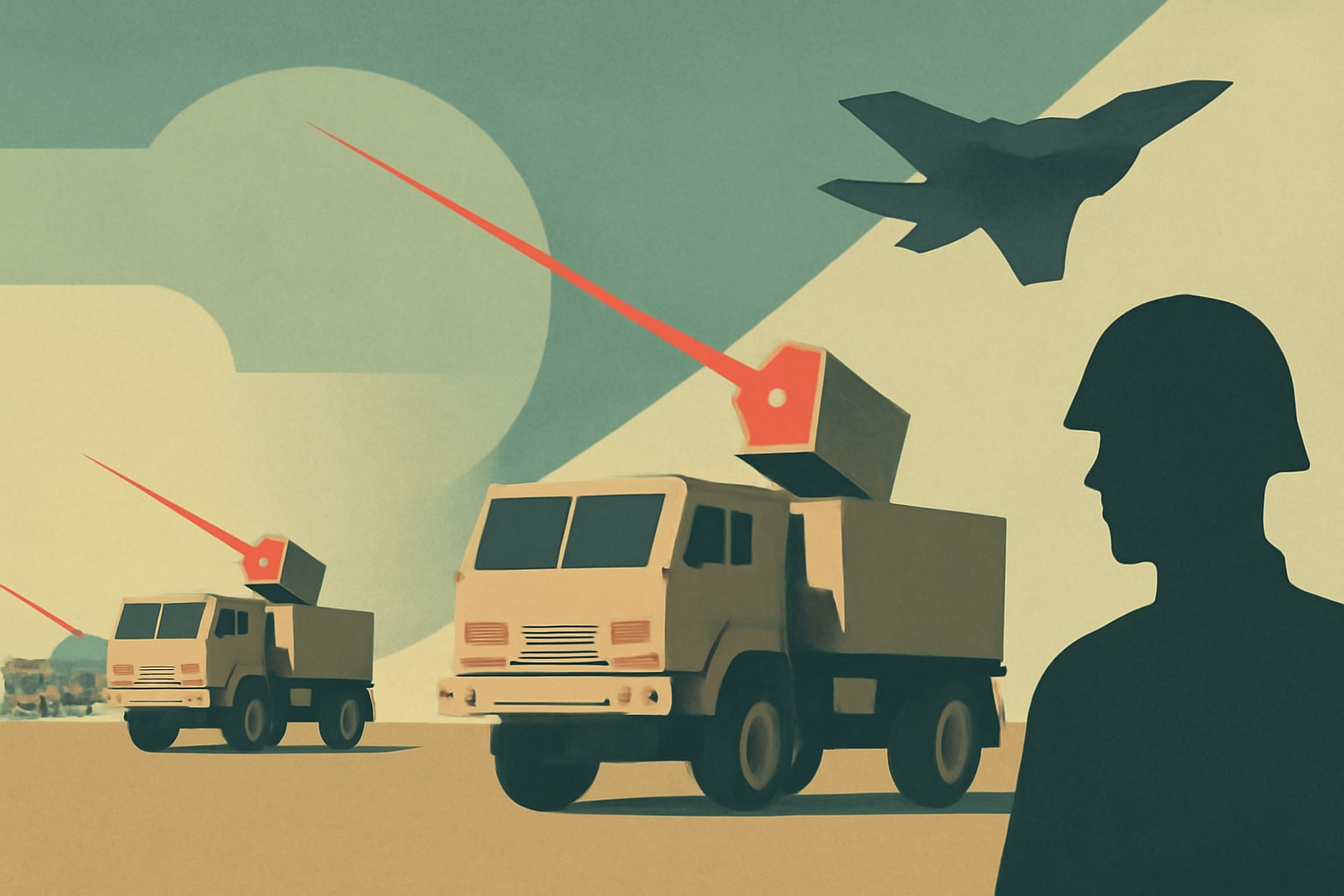
The U.S. military is considering high-energy laser trucks to improve battlefield effectiveness and reduce reliance on traditional munitions.
What's Happening
- •The U.S. military is developing high-energy laser trucks for battlefield use.
- •These vehicles aim to provide scalable, cost-effective defense against aerial threats.
- •The Pentagon is focusing on two specific ground vehicle designs for this initiative.
Why It Matters
The introduction of laser trucks represents a significant shift in military technology, with potential implications for how service members engage in combat. Understanding these changes is crucial for active duty and reserve personnel as they prepare for future operations that may incorporate advanced weapon systems.
What Changes Now
- •The military is initiating the development of training programs for personnel operating laser trucks. This ensures that service members are prepared to integrate these advanced systems into their operations.
- •Units will need to adapt their operational procedures to incorporate high-energy laser technology. This adaptation will require collaboration across branches to maintain effectiveness in joint operations.
- •Funding decisions regarding the laser truck initiative will impact the speed of deployment and training. Service members should monitor announcements from the Pentagon for updates on resource allocations.
What to Watch
- •The timeline for the deployment of laser trucks is expected to be outlined in the next 12 to 24 months. This will provide clarity on when service members may encounter these systems in the field.
- •Initial field test results will be crucial for assessing the operational capabilities of laser trucks. The outcomes will influence future funding and resource allocation decisions.
- •Updates from the Pentagon regarding training requirements for these systems will be essential for service members. Staying informed will help personnel prepare for upcoming changes in operational protocols.
Get the Daily Briefing
Military and veteran news that actually affects you, in your inbox each morning.
More Context
- •Overview of Laser Truck Development: The U.S. military is actively pursuing the development of high-energy laser trucks, which are designed to enhance combat capabilities on the battlefield. These vehicles are intended to provide a scalable and cost-effective solution for countering aerial threats, such as drones and missiles. By integrating laser technology, the military aims to reduce its reliance on traditional munitions, which can be expensive and logistically challenging. The initiative reflects a broader trend in military modernization, focusing on advanced technologies that can provide a tactical edge in future conflicts.
- •Implications for Active Duty and Reserve Components: Active duty service members, particularly those in combat arms roles such as 11B Infantry and 19D Cavalry, will be directly impacted by the introduction of these laser-equipped vehicles. The integration of laser technology into military operations could change tactics and strategies, requiring training on new systems and protocols. Additionally, Reserve Component members, including those on Title 10 orders, may also be involved in operations utilizing these advanced vehicles, emphasizing the need for comprehensive training and readiness assessments.
- •Operational Changes and Training Requirements: As the military moves forward with the laser truck initiative, immediate changes will include the development of training programs for personnel who will operate these systems. Units will need to adapt to new operational procedures that incorporate high-energy laser technology into existing frameworks. This transition may involve collaboration between various branches of the military to ensure uniformity in training and operational effectiveness. Service members should stay informed about upcoming training schedules and requirements related to these new systems.
- •What to Watch in the Coming Years: Key developments to monitor include the timeline for the deployment of laser trucks and the results of initial field tests. The Pentagon is expected to release updates on the progress of these vehicles in the next 12 to 24 months, which will provide insight into their operational capabilities. Additionally, decisions regarding funding and resource allocation for this initiative will be critical, as they will determine the scale and speed of implementation across various military branches.
Frequently Asked Questions
Will I need special training to operate laser trucks?
Yes, the military will develop specific training programs for personnel who will operate these systems.
How will laser trucks change current military tactics?
The integration of laser technology will require adjustments in tactics, particularly in countering aerial threats.
Are Reserve Component members included in this initiative?
Yes, Reserve Component members on Title 10 orders may also be involved in operations utilizing laser trucks.
Veteran Take
For those who've served, the prospect of laser trucks in combat is both exciting and daunting. We understand the need for innovation, but it raises questions about how these technologies will change the nature of warfare and the skills required on the battlefield. Veterans navigating this new landscape will need to adapt to a military that increasingly relies on advanced systems, which could redefine our roles and tactics in future conflicts.
The Daily Briefing
Military & veteran news that actually affects you — delivered every morning.
- Pay, benefits & policy changes
- Pentagon decisions that matter
- VA updates for veterans & families
- One email. No spam. Unsubscribe anytime.
Related Stories
- Watchdog Report Reveals Security Flaws in Pentagon Wireless Services— Task & Purpose
- Marine Corps Invests $19.25 Million in Electric Seaglider Technology— Military.com
- Pentagon Modifies Online Portal for Reporting U.S. Military Casualties— DefenseScoop
- US Army Enhances Combat Care Strategies in the Indo-Pacific— Military Times