The U.S. Army Goes Into the Breach — Without Soldiers
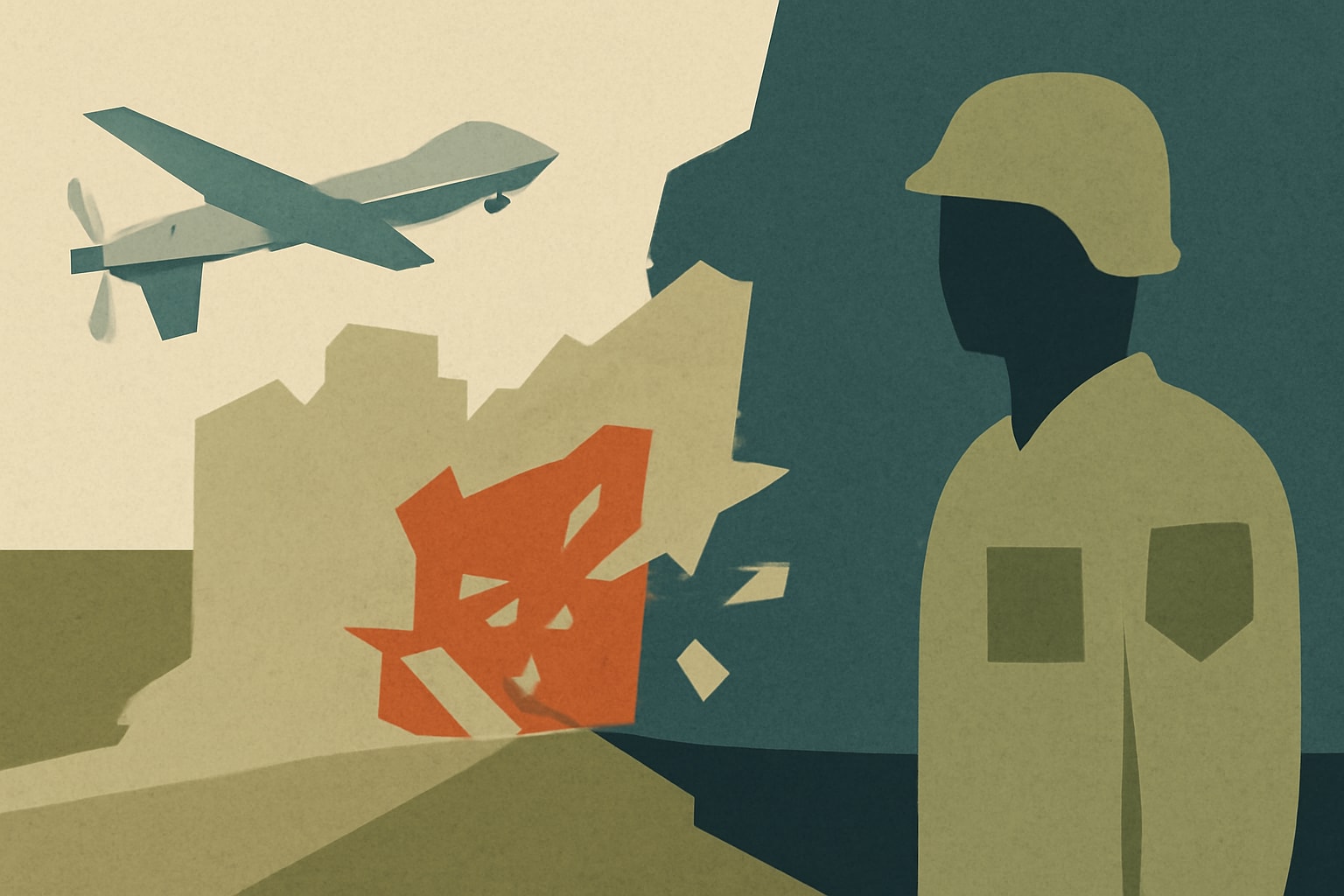
The Army is shifting from deploying soldiers to utilizing drones for high-risk missions.
What's Happening
- •The U.S. Army is experimenting with drones for missions previously conducted by soldiers.
- •This shift aims to reduce risks to personnel during dangerous operations.
- •The initiative reflects a broader trend of integrating advanced technology into military strategy.
Why It Matters
The Army's move to deploy drones instead of soldiers has profound implications for military operations and personnel. For active-duty service members, especially those in combat roles, this shift could redefine their responsibilities and career trajectories as technology increasingly takes center stage in warfare.
What Changes Now
- •The Army is reducing the number of soldiers deployed for high-risk missions. This change allows for safer operations and could lead to fewer casualties in combat scenarios.
- •Training programs will evolve to include drone operation skills. Soldiers will need to adapt to new technologies, ensuring they remain effective in their roles.
- •Combat roles may shift as drones take on more responsibilities. This could impact promotions and career paths for soldiers in traditional combat positions.
What to Watch
- •Upcoming training program announcements for drone operations will be critical. These details will clarify how the Army plans to integrate drone technology into existing units.
- •The effectiveness of drone missions in operational settings will be closely monitored. Success in these missions could lead to increased funding and resources for drone technology.
- •Future recruitment strategies may change based on the Army's technology integration. Potential recruits should be aware of the evolving landscape of military roles.
Get the Daily Briefing
Military and veteran news that actually affects you, in your inbox each morning.
More Context
- •The Shift to Drone Technology: The U.S. Army is increasingly relying on drone technology to perform missions that were once the responsibility of soldiers. This transition is part of a broader strategy to enhance operational efficiency and minimize risks to personnel. By deploying drones, the Army can conduct surveillance, reconnaissance, and even combat operations without placing soldiers in harm's way. This move is indicative of the military's ongoing evolution in response to modern warfare challenges, where technology plays a critical role in mission success.
- •Impact on Soldiers and Military Operations: As the Army embraces drone technology, the implications for soldiers are significant. Active duty soldiers, particularly those in combat arms MOSs such as 11B Infantrymen and 19D Cavalry Scouts, may find their roles evolving as technology takes on more traditional combat functions. This shift could lead to a reduction in the number of soldiers deployed to high-risk areas, potentially altering career paths and training requirements for many. Additionally, the integration of drones could enhance situational awareness and decision-making on the battlefield, but it also raises questions about the future of ground combat roles.
- •What Changes Now?: With the Army's shift to drone usage, immediate changes include the potential reduction of personnel in certain combat roles. Soldiers in affected units may need to adapt their skills to work alongside or manage drone operations. Training programs will likely evolve to incorporate drone technology, emphasizing the importance of understanding unmanned systems. This change is crucial for maintaining operational readiness and ensuring that soldiers are equipped with the skills necessary for modern warfare.
- •Looking Ahead: What to Watch: Key developments to monitor include upcoming Army announcements regarding new training programs for drone operations. The Army is expected to release details on how these changes will affect current personnel and future recruitment. Additionally, watch for updates on the effectiveness of drone missions in operational environments, which could influence future military strategies and funding allocations.
Frequently Asked Questions
Does this affect Guard members on Title 10 orders?
Yes, the integration of drones into military operations may impact Guard members on Title 10 orders, especially if they are involved in combat roles or operational deployments.
Will my BAH change if I move duty stations mid-year?
Your Basic Allowance for Housing (BAH) may change if you move to a new duty station with a different BAH rate. It’s important to check the BAH rates for your new location.
Veteran Take
For those who've served, the shift towards drones in combat roles raises important questions about the future of military service. While technology can enhance safety and efficiency, it also risks diminishing the human element that defines our military experience. Veterans navigating this transition may find it challenging to reconcile their sacrifices and skills with an evolving landscape that increasingly relies on automation.
The Daily Briefing
Military & veteran news that actually affects you — delivered every morning.
- Pay, benefits & policy changes
- Pentagon decisions that matter
- VA updates for veterans & families
- One email. No spam. Unsubscribe anytime.
Related Stories
- Air Force Successfully Tests New Sentinel ICBM Reentry Vehicle— Air & Space Forces Magazine
- B-2 Stealth Bomber Returns to Whiteman AFB After Depot Maintenance— Air & Space Forces Magazine
- France Successfully Fires Upgraded Nuclear-Capable Missile from Submarine— Defense News
- U.S. Marine Corps Anti-Ship Weaponry to See Action in Japan— Military Times