Trump's Iran Stance Complicates Ukraine Security Guarantees
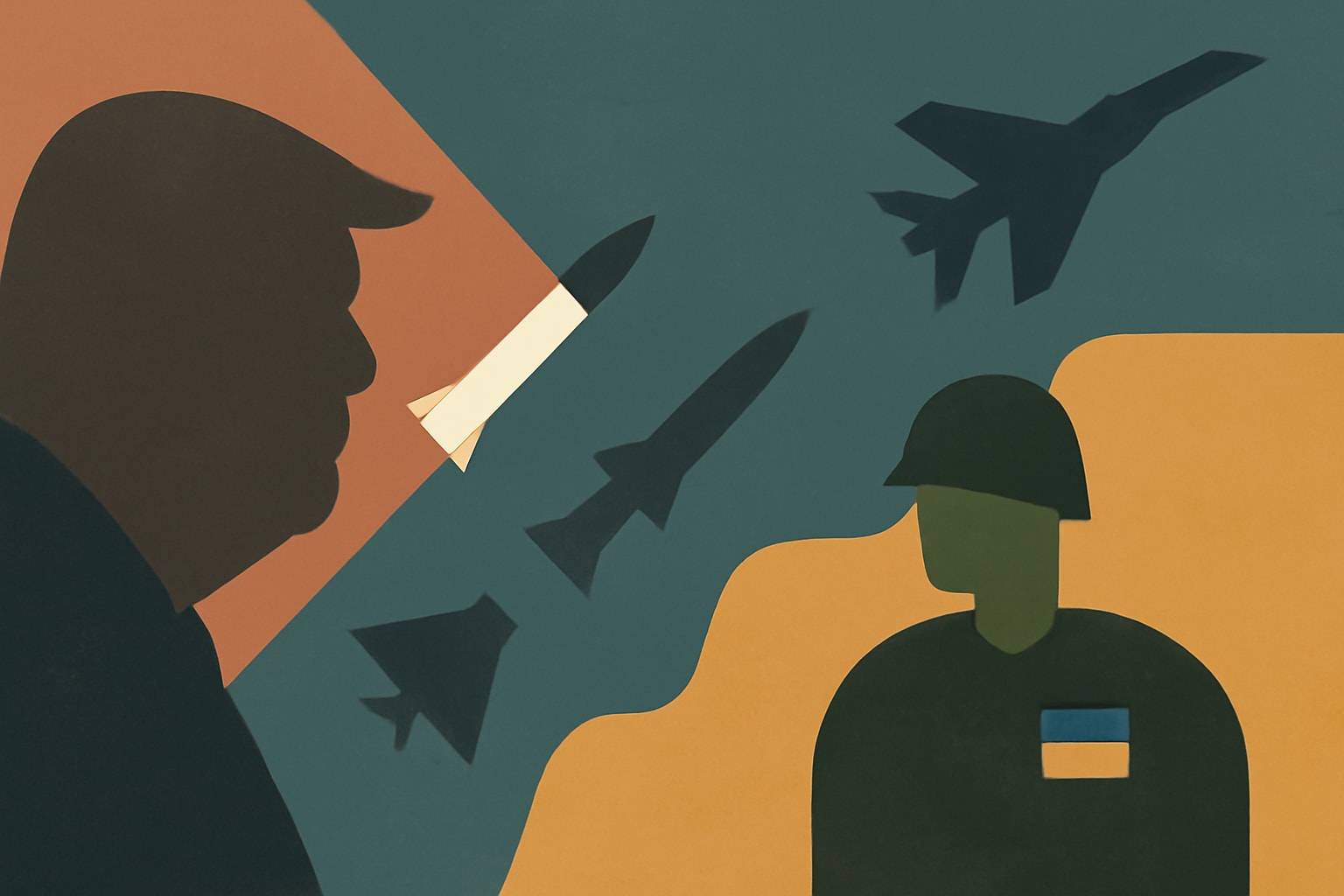
Diplomatic efforts and military resources are stretched thin as a potential Iran conflict overshadows security assurances for Ukraine.
What's Happening
- •President Trump's administration is facing challenges balancing military focus between Iran and Ukraine.
- •Diplomatic personnel have been reassigned from Ukraine to manage the Iran crisis.
- •Stockpiles of interceptor missiles intended for Ukraine's defense have been depleted.
Why It Matters
The ongoing conflict with Iran affects military readiness and resource allocation, which are critical for U.S. service members and veterans. As military resources are stretched, active-duty personnel may face increased operational demands, potentially leading to extended deployments and strain on military families.
What Changes Now
- •Potential delays in security assistance to Ukraine are now likely. This could leave Ukraine more vulnerable to Russian aggression and limit its defense capabilities.
- •Increased uncertainty surrounds U.S. commitments to allies in Europe. As resources are reallocated to address the Iran crisis, allies may question U.S. reliability in security matters.
- •The reassignment of diplomats from Ukraine to Iran may slow down critical negotiations. This could hinder the establishment of essential military partnerships and intelligence sharing.
What to Watch
- •Upcoming negotiations between the U.S. and Ukraine regarding security guarantees are critical. These discussions will determine the future of military aid and support to Ukraine.
- •The trajectory of the U.S.-Iran conflict will significantly impact resource allocation. Decisions made in the coming weeks will shape U.S. military readiness in both regions.
- •The response from European allies concerning the security vacuum in Eastern Europe will be important. Their actions may influence U.S. strategy and commitments to Ukraine.
Get the Daily Briefing
Military and veteran news that actually affects you, in your inbox each morning.
More Context
- •The Diplomatic Dilemma: In April 2026, President Trump's administration is navigating a complex foreign policy landscape. The ongoing confrontation with Iran, characterized by escalating tensions and military engagements, has diverted crucial diplomatic resources away from Ukraine. Key diplomats who were set to finalize security agreements with Kyiv have been reassigned to address the Iran crisis, delaying vital discussions on military aid and intelligence sharing. This shift in focus raises concerns about the U.S.'s ability to uphold its commitments to Ukraine, especially as Russian aggression remains a persistent threat.
- •Resource Allocation Challenges: The conflict with Iran has led to increased demand for military resources, particularly interceptor missiles like Patriot batteries and THAAD systems. The U.S. military's focus on maintaining a strong presence in the Middle East has resulted in a depletion of interceptor stockpiles that were initially earmarked for Ukraine. For instance, a shipment of 200 AIM-120 AMRAAM missiles, crucial for Ukraine's air defense modernization, has been delayed. This depletion leaves Ukraine more vulnerable to potential attacks, particularly from Russian forces and Iranian-supplied drones.
- •Implications for Global Security: The situation underscores the interconnected nature of global security challenges, where conflicts in one region can significantly impact another. The U.S. must navigate these competing priorities carefully to maintain its credibility and deter adversaries. Delays in providing security guarantees to Ukraine could embolden Russia to escalate its military operations in the Donbas region, potentially leading to a broader European security crisis. Critics argue that a more balanced approach, emphasizing diplomacy with Iran, could free up resources to better support Ukraine.
- •Looking Ahead: Strategic Reassessments: As the U.S. grapples with these challenges, reassessing resource allocation and diplomatic strategies will be crucial. This may involve seeking additional funding for defense programs and forging stronger alliances with European partners concerned about security in Eastern Europe. The U.S. might also explore diplomatic avenues to de-escalate tensions with Iran, allowing for a more focused commitment to Ukraine. The ability to manage these competing priorities will be vital for the U.S. to maintain its global leadership and protect its national interests.
Veteran Take
For those who've served, the intertwining of conflicts like those in Iran and Ukraine is a stark reminder of the unpredictable nature of military life. Veterans navigating this landscape know all too well the toll that stretched resources and extended deployments can take on service members and their families. It’s crucial that our leaders prioritize not just strategic interests, but also the well-being of those who have answered the call to serve.
The Daily Briefing
Military & veteran news that actually affects you — delivered every morning.
- Pay, benefits & policy changes
- Pentagon decisions that matter
- VA updates for veterans & families
- One email. No spam. Unsubscribe anytime.
Related Stories
- US Army Considers Balloons for Military Operations— Military Times
- US Army Expands Dining Options to Fit Modern Soldier Schedules— Military Times
- Pentagon Seeks Expertise to Develop Brain Injury Assessment Standards— Military Times
- Anduril Secures $1.8 Billion Contract to Enhance Army Command System— Military Times