Philippines Protests China's Floating Structure in Disputed South China Sea
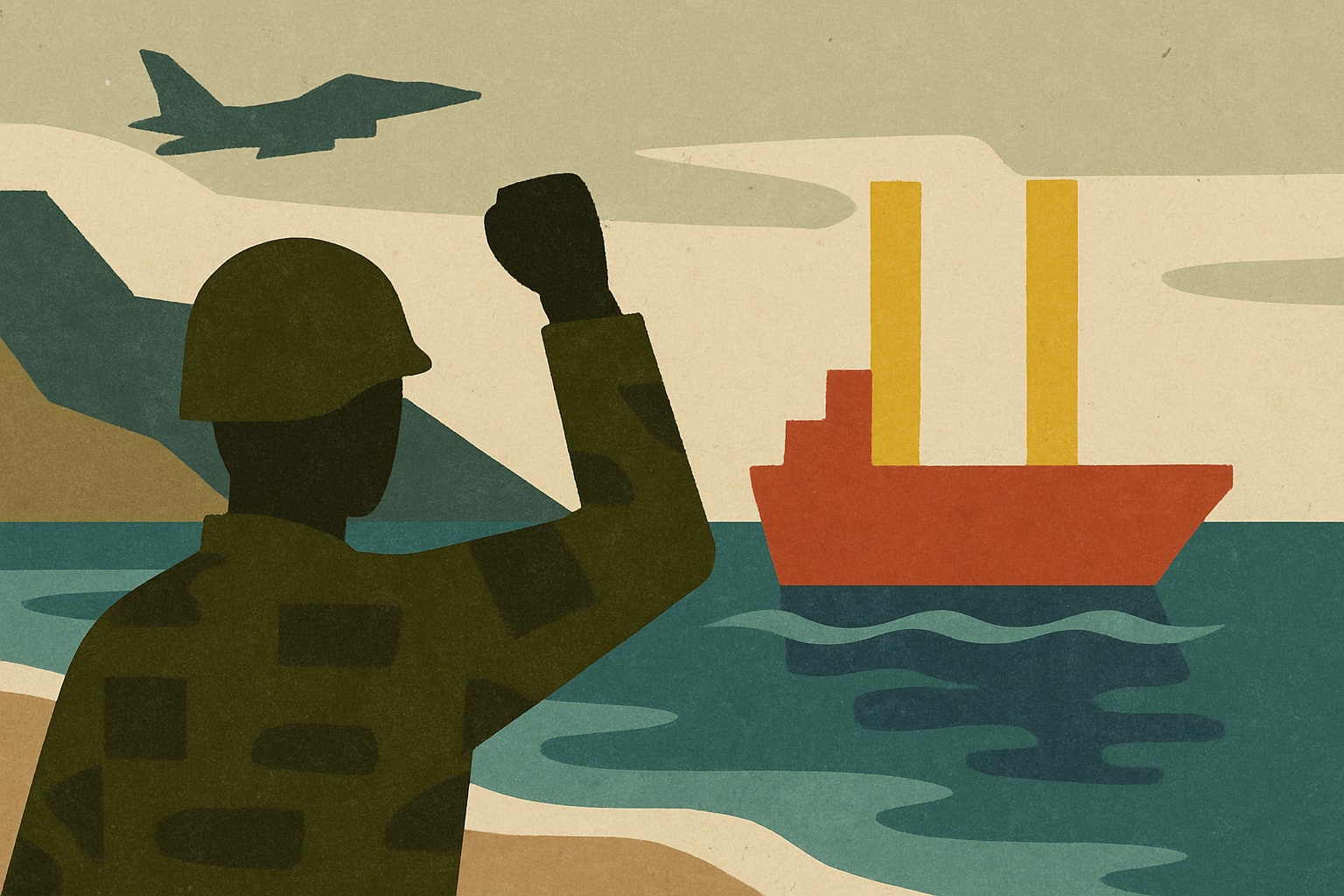
The Philippines has raised concerns over China's deployment of a floating structure in a contested area of the South China Sea.
What's Happening
- •The Philippines has officially protested China's deployment of a floating structure in the South China Sea.
- •Manila claims the structure is being manned by personnel, escalating regional tensions.
- •This incident is part of ongoing territorial disputes between China and the Philippines.
Why It Matters
The ongoing tensions in the South China Sea directly impact U.S. military strategy and readiness. For service members and their families, understanding these developments is crucial as they may influence deployment patterns and operational protocols.
What Changes Now
- •The Philippines has lodged a formal protest against China's actions. This may lead to increased military readiness among U.S. forces in the region to support allies.
- •The U.S. military may adjust its operational posture in response to the heightened tensions. Service members should prepare for potential changes in deployment schedules and mission objectives.
- •Increased surveillance and patrols in the South China Sea are likely. Personnel should be aware of the possibility of more frequent engagements with Chinese vessels.
What to Watch
- •Upcoming statements from the Department of Defense regarding U.S. military posture in the region. These will clarify how the U.S. plans to respond to the situation.
- •Monitoring of joint military exercises between the U.S. and the Philippines. These exercises may be expanded or intensified in response to the current tensions.
- •Reports on diplomatic negotiations between the Philippines and China. Outcomes from these discussions could significantly impact military operations and regional stability.
Get the Daily Briefing
Military and veteran news that actually affects you, in your inbox each morning.
More Context
- •Background on the Dispute: The South China Sea has long been a hotspot for territorial disputes, with several nations claiming rights over various parts of the sea. The Philippines and China have been at odds over numerous shoals and reefs, with both sides asserting historical claims. The latest incident involves a floating structure, which the Philippines alleges is manned by Chinese personnel, further complicating the already tense situation.
- •Implications for U.S. Military Presence: The United States has a vested interest in the stability of the South China Sea, as it is a critical shipping route and a region where U.S. allies, including the Philippines, are located. Increased tensions may lead to a stronger U.S. military presence in the area, which could affect deployments for active-duty personnel and reserve components. Service members stationed in the region should stay informed about potential changes in operational readiness and rules of engagement.
- •What This Means for Service Members: Active-duty service members, particularly those in the Navy and Coast Guard, may find themselves operating in a more volatile environment due to these tensions. For example, sailors on ships patrolling the area should be prepared for heightened alert levels and the possibility of encounters with Chinese vessels. Moreover, military families should be aware of the potential for increased deployments as the situation evolves.
- •Monitoring Future Developments: The situation in the South China Sea is fluid, and service members and their families should keep an eye on official military communications for updates. The Department of Defense is likely to release statements regarding any changes in strategy or posture in response to the escalating tensions. Additionally, monitoring news from the Philippines and China will provide context for understanding the broader implications for U.S. military operations.
Frequently Asked Questions
Does this affect Guard members on Title 10 orders?
Yes, Guard members on Title 10 orders may be impacted by changes in operational demands due to the heightened tensions in the South China Sea.
Will my deployment change because of this situation?
Potentially, as the U.S. military may adjust deployment schedules based on the evolving situation in the region.
Veteran Take
For those who've served, the ongoing tensions in the South China Sea are a stark reminder of the complex geopolitical landscape we navigate. These developments can directly affect our military readiness and deployment strategies, which is something every veteran understands all too well. As we keep an eye on these issues, it's crucial for us to support our active-duty counterparts and stay informed about how these international disputes may impact their missions.
The Daily Briefing
Military & veteran news that actually affects you — delivered every morning.
- Pay, benefits & policy changes
- Pentagon decisions that matter
- VA updates for veterans & families
- One email. No spam. Unsubscribe anytime.
Related Stories
- Army Unveils XM1776 Howitzer Prototype with Double the Range— Task & Purpose
- China's Military Training Site in Laos Raises Concerns for U.S. Forces— Military Times
- UK-Iranian National Released on Bail Over Suspected Plot Against US-Run Military Base— Military.com
- Meet Axel, the Deaf Rescue Dog Set to Deploy with the Military— Military Times