Study Reveals Deterioration of Pentagon Research Infrastructure
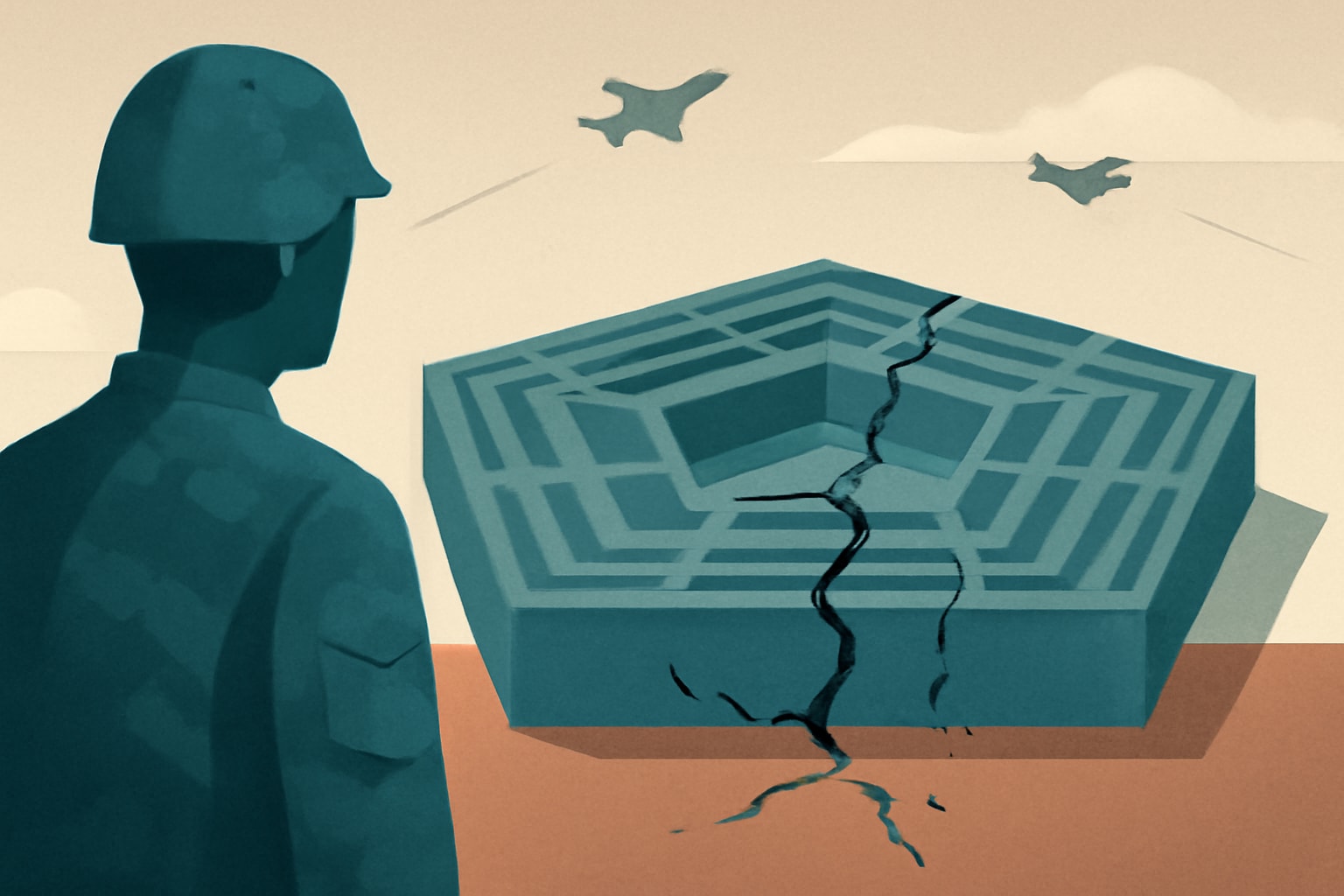
A recent study highlights significant challenges facing the Pentagon's research capabilities, impacting military readiness.
What's Happening
- •A study has found that the Pentagon's research infrastructure is deteriorating.
- •Backlogged security clearances are delaying research projects.
- •Limited funding is preventing the refurbishment of essential labs.
- •The hiring process for research personnel is slow and cumbersome.
Why It Matters
The deterioration of the Pentagon's research infrastructure poses significant risks to military readiness and technological advancement. For service members and defense civilians, this means potential delays in the development of critical technologies that support their missions and safety.
What Changes Now
- •The Pentagon may need to reevaluate its funding priorities to address research infrastructure issues. This could lead to increased budget allocations for research facilities and personnel in the upcoming fiscal year.
- •Streamlining the security clearance process is essential to expedite research projects. This change will help reduce the backlog and allow for quicker onboarding of research personnel.
- •Military leaders are likely to push for reforms in hiring practices for research roles. This could result in more efficient hiring timelines, making it easier to attract top talent.
What to Watch
- •Upcoming budget proposals will reveal potential funding increases for research infrastructure. Watch for announcements in the next fiscal budget cycle to see if priorities shift toward research.
- •The Pentagon's review of security clearance processes is expected to be completed by year-end. This review will determine if significant changes are made to expedite the clearance process.
- •Legislative discussions on defense spending may include provisions for research funding. Monitor Congress for debates that could influence budget allocations for military research.
Get the Daily Briefing
Military and veteran news that actually affects you, in your inbox each morning.
More Context
- •Current State of Pentagon Research: The Pentagon's research capabilities are facing significant challenges due to a combination of factors. Backlogged security clearances have led to delays in critical research projects, impacting the pace at which new technologies can be developed and implemented. This backlog not only slows down innovation but also creates a bottleneck that affects the entire defense ecosystem. As military readiness increasingly relies on advanced technology, these delays could have far-reaching consequences.
- •Funding Shortages Impacting Research: Limited funding has emerged as a critical barrier to maintaining and upgrading research facilities. The inability to refurbish labs means that many projects are conducted in outdated environments, which can hinder the quality of research outcomes. This funding shortfall could affect various military branches, particularly those heavily reliant on cutting-edge technology, such as the Air Force and Navy. As defense budgets face scrutiny, prioritizing research funding will be essential to ensure the military remains competitive.
- •Hiring Challenges for Research Personnel: The slow and difficult hiring process for research personnel has compounded the issues facing the Pentagon's research infrastructure. Qualified candidates often face lengthy wait times for security clearances, which can discourage potential hires. This situation is particularly concerning for junior officers and enlisted personnel in technical fields, such as 62B Army engineers and 35F intelligence analysts, who are essential for advancing military research. Streamlining the hiring process will be crucial to attracting and retaining talent in this critical area.
- •Implications for Military Readiness: The deterioration of research infrastructure has direct implications for military readiness. As the defense landscape evolves, the need for innovative solutions becomes paramount. If the Pentagon cannot effectively address these challenges, it risks falling behind adversaries who are investing heavily in research and development. Military leaders must recognize the urgency of these issues and advocate for changes that will bolster research capabilities to ensure national security.
Frequently Asked Questions
Does this affect Guard members on Title 10 orders?
Yes, the challenges in Pentagon research infrastructure can impact all service members, including those on Title 10 orders, as it affects overall military readiness.
Will my BAH change if I move duty stations mid-year?
Your Basic Allowance for Housing (BAH) may change if you move to a different location with a different BAH rate. It's important to check the BAH rates for your new duty station.
Veteran Take
For those who've served, the implications of a weakened Pentagon research infrastructure are deeply concerning. We understand that technological advancements are crucial to mission success and the safety of our troops. If the Pentagon struggles to innovate and adapt, it jeopardizes not only our military readiness but also the lives of those who serve.
The Daily Briefing
Military & veteran news that actually affects you — delivered every morning.
- Pay, benefits & policy changes
- Pentagon decisions that matter
- VA updates for veterans & families
- One email. No spam. Unsubscribe anytime.
Related Stories
- FEDVIP Dental Premiums to Rise 1%, Vision Premiums by 1.6% for 2027— Military.com
- Pentagon Threatens Universities Over Foreign Ties, Considers Audits— DefenseScoop
- Archbishop Advises U.S. Army Catholics Against Firing Squad Participation— Navy Times
- U.S. Coast Guard and Navy Search for Survivors After Boat Capsizes— Military.com