Pentagon Enhances Medical Care for Wounded Military Dogs
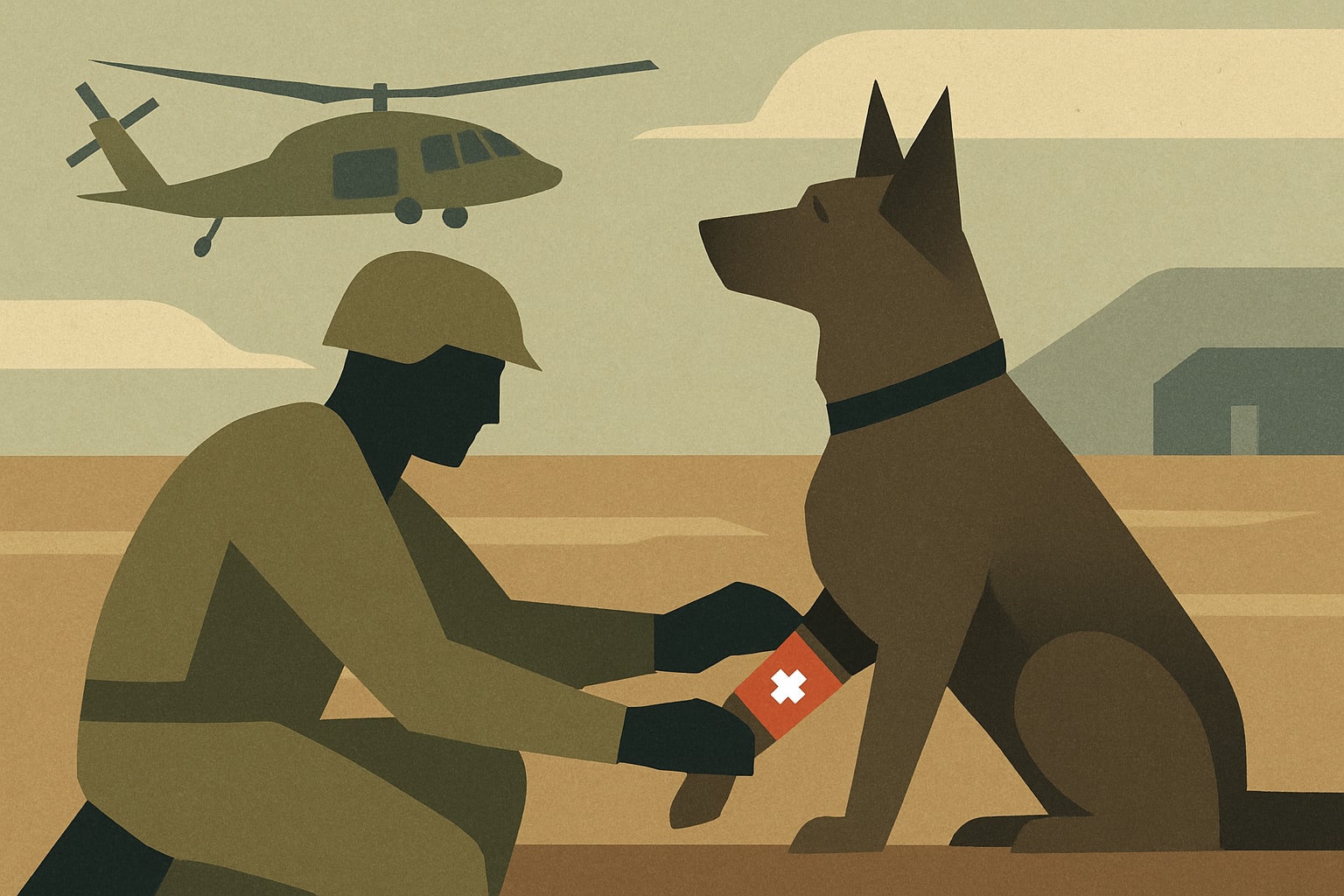
The Pentagon is prioritizing improvements in medical care for military dogs, focusing on traumatic brain injury assessments.
What's Happening
- •The Pentagon is implementing measures to enhance medical care for military dogs.
- •New initiatives will focus on better assessment of canine traumatic brain injuries.
- •Efforts will also explore common medical treatments for both humans and dogs.
Why It Matters
The health and welfare of military working dogs are critical to operational success and the emotional well-being of service members. Improvements in medical care for these animals reflect a broader commitment to the holistic health of all military personnel, including their canine companions.
What Changes Now
- •The Pentagon is rolling out new protocols for assessing traumatic brain injuries in military dogs. This change is expected to improve treatment outcomes for injured canines.
- •Initiatives will explore the use of common medical treatments for both humans and dogs. This could streamline care processes and enhance recovery for both service members and their dogs.
- •Military families will have access to better veterinary care resources. This improvement aims to support the health and recovery of military working dogs, impacting the families who rely on them.
What to Watch
- •Updates on the implementation timeline for new medical protocols are expected. Stakeholders should monitor announcements from the Pentagon regarding these changes.
- •The effectiveness of the new assessment protocols will be evaluated over the coming months. This evaluation will determine if further adjustments are needed to optimize care.
- •Future studies on common treatments for humans and dogs will be released. These studies could lead to significant advancements in veterinary and human medical practices.
Get the Daily Briefing
Military and veteran news that actually affects you, in your inbox each morning.
More Context
- •Improved Medical Assessments: The Pentagon's new initiatives aim to refine the assessment processes for military dogs suffering from traumatic brain injuries. This includes developing standardized protocols that can be utilized across various military installations. Enhanced assessments are crucial for timely and effective treatment, ensuring that these service animals receive the care they need to recover from injuries sustained during operations.
- •Common Treatments for Canines and Humans: In a groundbreaking approach, the Pentagon is investigating the feasibility of using common medical treatments for both military personnel and their canine counterparts. This initiative recognizes the similarities in injuries sustained by both groups, particularly in combat situations. By aligning treatment protocols, the military aims to streamline care and potentially improve outcomes for both service members and their dogs.
- •Impact on Military Families: These changes will significantly affect military families who rely on service dogs for support and assistance. Active-duty personnel with military working dogs, especially those in combat roles, will benefit from improved medical care for their canine partners. This initiative underscores the military's commitment to the welfare of all its members, including those with four legs.
- •Future Monitoring and Implementation: As these initiatives roll out, military families and service members should stay informed about new protocols and treatment options. The Pentagon plans to monitor the effectiveness of these measures closely, making adjustments as necessary to ensure optimal care. Stakeholders can expect updates on the implementation timeline and any changes in veterinary care practices at military installations.
Frequently Asked Questions
Will military working dogs receive better medical care?
Yes, the Pentagon is implementing new protocols to enhance medical assessments and treatment for military dogs.
How will these changes affect my military family?
Military families will benefit from improved veterinary care for their service dogs, which can enhance the overall well-being of both the dogs and their handlers.
Are there specific timelines for these changes?
The Pentagon plans to provide updates on the implementation timeline for these new medical protocols in the near future.
Veteran Take
For those who've served alongside military working dogs, their well-being is not just an afterthought; it's a vital part of our mission. These dogs face the same dangers as their human counterparts, and recognizing their health needs shows a commitment to the entire team. When we take care of our canine partners, we also honor the bond and sacrifices made by all service members.
The Daily Briefing
Military & veteran news that actually affects you — delivered every morning.
- Pay, benefits & policy changes
- Pentagon decisions that matter
- VA updates for veterans & families
- One email. No spam. Unsubscribe anytime.
Related Stories
- Renovation of Century-Old Homes at Fort Bragg Underway— Military Times
- FEDVIP Open Enrollment 2027: How to Choose Your Dental Plan— Military.com
- 26th Marine Expeditionary Unit First to Deploy with CH-53K King Stallion Helicopter— Military.com
- Camp Pendleton Opens New Dining Hall Drive-Thru for Quick Meals— Task & Purpose