Pentagon Enhances Data Collection on Blast Exposure Effects
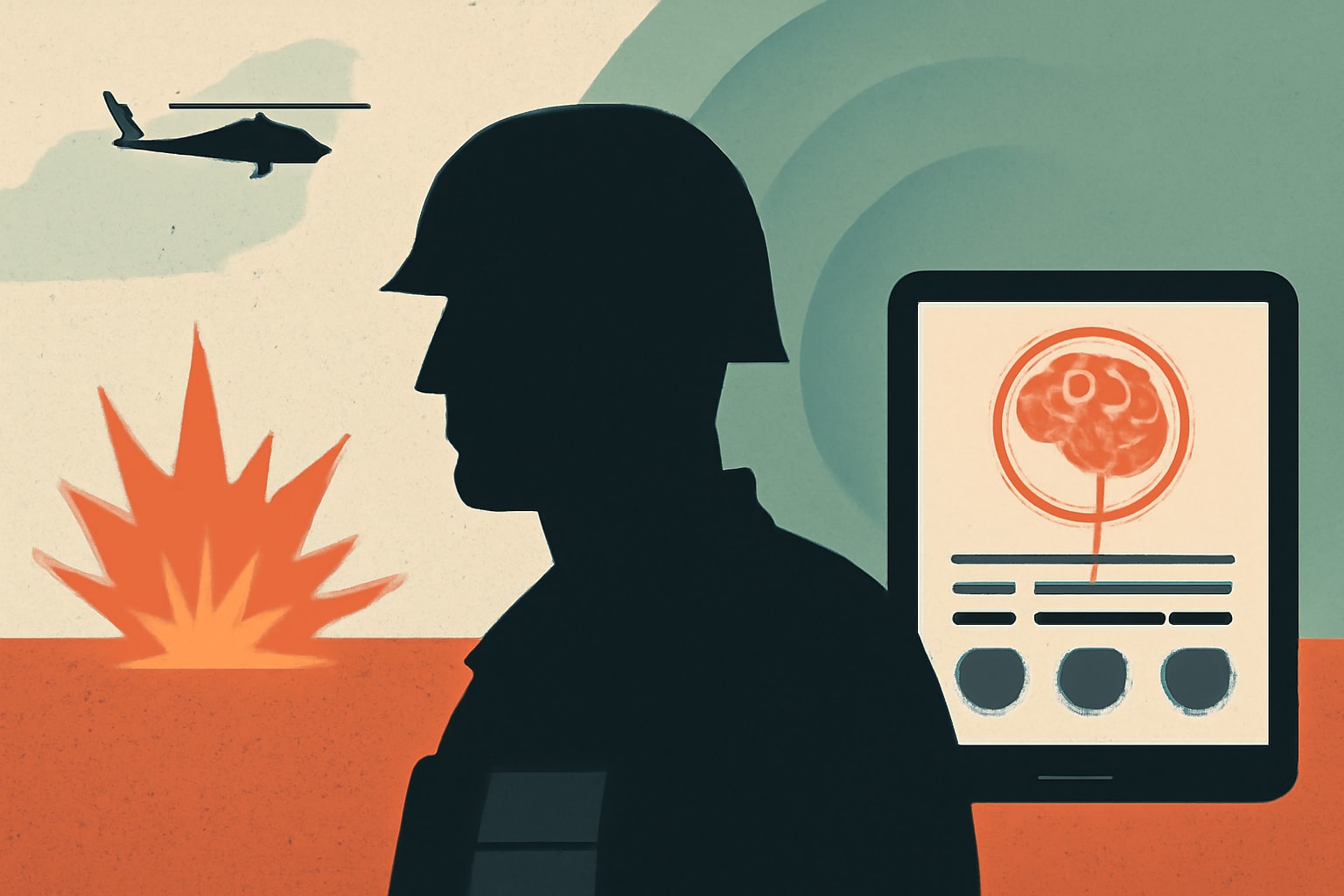
The Pentagon is shifting its strategy to gather more data on the brain health impacts of blast exposure for military personnel.
What's Happening
- •The Pentagon is collecting more information about the effects of blast exposure on military personnel.
- •This initiative aims to better understand brain health issues related to blast overpressure.
- •Alyssa Hundrup highlighted the need for a new approach to address these health concerns.
Why It Matters
This initiative is crucial for military and veteran communities, as it directly addresses health issues that have long-term implications for those exposed to blasts. Improved understanding and data collection can lead to better health care practices, ultimately enhancing the quality of life for veterans and active-duty personnel alike.
What Changes Now
- •The Pentagon is enhancing its data collection methods regarding blast exposure. This change will allow for more accurate tracking of health outcomes related to blast injuries.
- •Service members in combat roles will see a shift in how their health concerns are addressed. Improved data will lead to more tailored health care solutions for those affected by blast exposure.
- •New research initiatives will be launched to study the long-term effects of blast exposure. This will involve collaboration with medical experts to ensure comprehensive data analysis.
What to Watch
- •Upcoming research findings on blast exposure effects will be released in the next year. These findings will provide insights into the long-term health impacts on service members.
- •The Pentagon will likely announce new health care protocols based on the data collected. This could happen within the next 18 months as research progresses.
- •Changes to existing health care policies may be implemented as a result of this initiative. Monitoring these changes will be crucial for affected service members and veterans.
Get the Daily Briefing
Military and veteran news that actually affects you, in your inbox each morning.
More Context
- •Understanding Blast Exposure: Blast exposure is a significant concern for many service members, particularly those in combat roles. The effects of blast overpressure can lead to a range of neurological issues, including traumatic brain injuries (TBI) and other cognitive impairments. The Pentagon's renewed focus on gathering data aims to provide a clearer picture of how these exposures affect service members' long-term health. This initiative comes as part of a broader effort to improve health outcomes for veterans who have experienced such exposures during their service.
- •Implications for Service Members: Active duty personnel, especially those in combat arms MOSs such as 11B Infantry and 68W Combat Medic, are directly affected by this new data collection initiative. The information gathered will inform future policies and health care practices aimed at addressing the specific needs of these service members. By understanding the long-term effects of blast exposure, the military can better tailor its medical responses and support systems to enhance the wellbeing of its personnel.
- •Future Monitoring and Research: The Pentagon plans to implement ongoing research to track the effects of blast exposure over time. This will involve collaboration with medical professionals and researchers to analyze data and develop effective treatment protocols. Service members can expect updates on findings and potential changes to health care policies as the research progresses, ensuring that those affected receive the necessary support.
Frequently Asked Questions
Does this affect Guard members on Title 10 orders?
Yes, Guard members on Title 10 orders are included in the data collection efforts regarding blast exposure.
Will my BAH change if I move duty stations mid-year?
Your Basic Allowance for Housing (BAH) may change based on the new duty station's cost of living and housing rates.
The Daily Briefing
Military & veteran news that actually affects you — delivered every morning.
- Pay, benefits & policy changes
- Pentagon decisions that matter
- VA updates for veterans & families
- One email. No spam. Unsubscribe anytime.
Related Stories
- Navy SEALs Influence on The Terminal List Season 2— Military.com
- Pentagon Bans Troops from Using Insider Information for Betting— Task & Purpose
- DISA Faces Another Protest Over Enclave Contract Expansion— Federal News Network
- New Skill Badge Proposed for Air Defense Soldiers with Five Successful Engagements— Task & Purpose