Reflecting on the Final 24 Hours of the U.S. War in Afghanistan
An in-depth look at the chaotic last moments of the U.S. military's presence in Afghanistan and its lasting impact on service members.
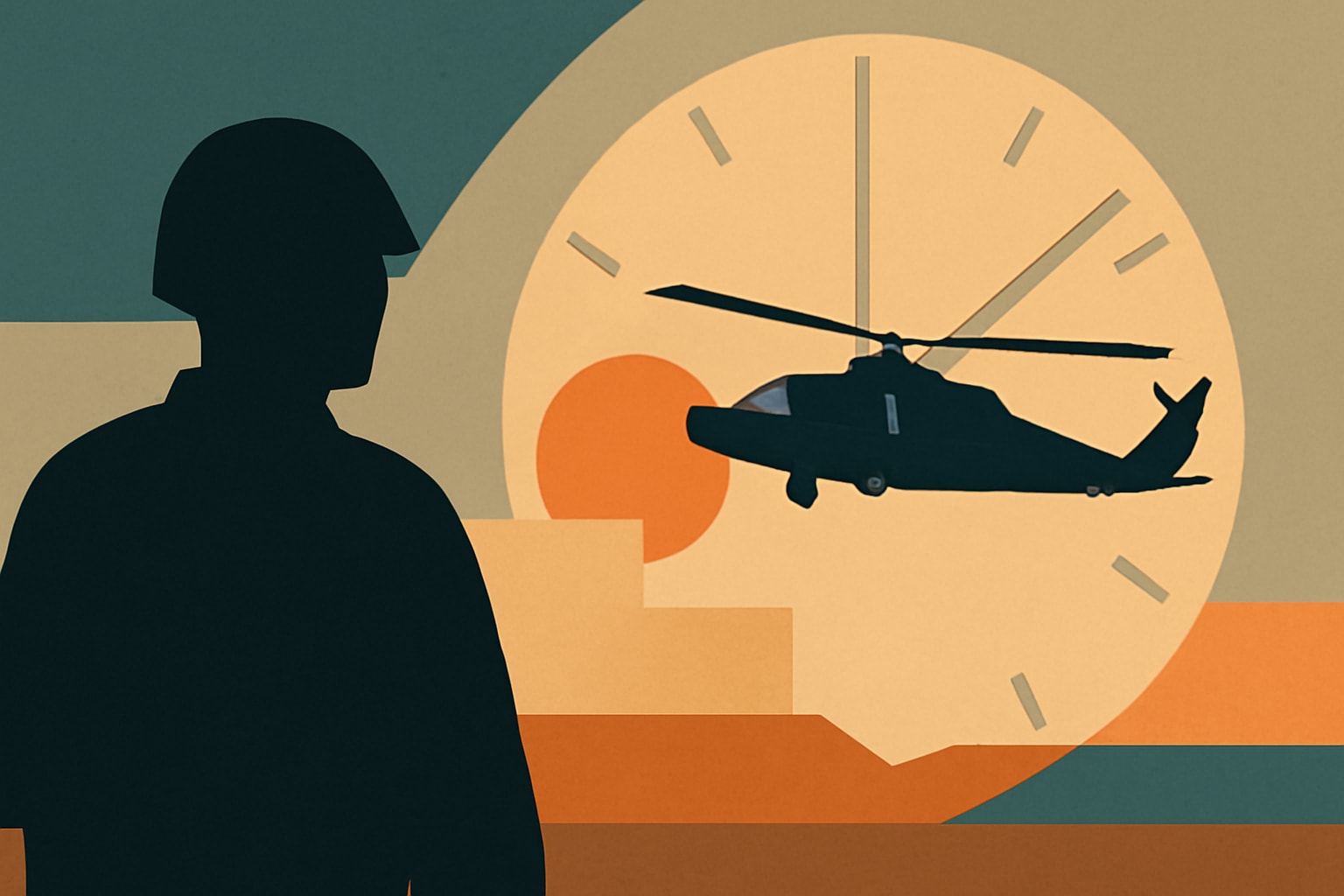
What's Happening
- •The U.S. military completed its final evacuation from Afghanistan on August 30, 2021.
- •Rocket attacks occurred during the last hours of the withdrawal, highlighting ongoing security threats.
- •The last C-17 aircraft departed Kabul, marking the end of a two-decade military engagement.
Why It Matters
The conclusion of the U.S. war in Afghanistan marks a significant moment in military history, impacting service members and veterans who served there. Understanding these final hours helps provide context for the ongoing challenges faced by those affected by the war, including issues related to mental health, reintegration, and support for Afghan allies.
What Changes Now
- •The end of military operations in Afghanistan means that service members will no longer be deployed to the region for combat operations. This change allows for a potential reallocation of resources and personnel to other areas of need within the military.
- •Veterans who served in Afghanistan may experience a shift in available support services as the focus transitions from combat operations to veteran care. It's crucial for these individuals to stay informed about available mental health resources and community support initiatives.
- •With the U.S. military's withdrawal, there may be changes in policies regarding Afghan allies seeking refuge in the United States. Service members and veterans should monitor updates from the Department of Defense and the Department of Homeland Security regarding visa processes and resettlement programs.
What to Watch
- •Upcoming reports from the Department of Defense regarding the status of Afghan refugees. These reports will provide clarity on the support and resources available to those who assisted U.S. forces.
- •Legislative discussions about veteran support programs in the wake of the Afghanistan withdrawal. These discussions will shape future policies that impact veterans and their families.
- •Ongoing assessments of the security situation in Afghanistan and its implications for U.S. foreign policy. Understanding these dynamics will be crucial for service members and veterans as they navigate their roles in a changing global landscape.
Get the Daily Briefing
Military and veteran news that actually affects you, in your inbox each morning.
More Context
- •The Final Evacuation: In the last 24 hours of the U.S. war in Afghanistan, military operations were frantic as personnel worked to evacuate remaining American citizens and Afghan allies. The U.S. Central Command reported that thousands were airlifted in a matter of hours, with the final flights taking place under the threat of rocket fire. This chaotic environment underscored the urgency of the situation, as the Taliban regained control of Kabul, leaving many feeling abandoned.
- •Security Threats and Challenges: During the final hours, the threat of rocket attacks became a stark reality for those involved in the evacuation. The U.S. military faced significant challenges in ensuring the safety of personnel and evacuees, as intelligence reports indicated potential attacks from ISIS-K. These threats highlighted the risks that service members and their families faced even as they sought to conclude operations in the region.
- •Implications for Service Members and Veterans: The withdrawal from Afghanistan has profound implications for U.S. service members and veterans, particularly those who served in the region. Many are grappling with feelings of loss and uncertainty regarding the future of Afghanistan and the fate of their Afghan allies. The emotional and psychological impact of the withdrawal may lead to increased support needs for veterans, emphasizing the importance of mental health resources and community support.
Frequently Asked Questions
What resources are available for veterans affected by the Afghanistan withdrawal?
Veterans can access mental health services through the VA and local veteran service organizations. It's important to reach out to these resources for support during this transition.
How will the withdrawal affect my benefits as a veteran?
The withdrawal itself does not change existing benefits, but it's essential to stay informed about any new programs or initiatives that may arise as a result of the situation.
Are there support programs for Afghan allies who worked with U.S. forces?
Yes, there are programs in place to assist Afghan allies seeking refuge in the U.S. Veterans and service members can find information through the Department of Defense and various non-profit organizations.
The Daily Briefing
Military & veteran news that actually affects you — delivered every morning.
- Pay, benefits & policy changes
- Pentagon decisions that matter
- VA updates for veterans & families
- One email. No spam. Unsubscribe anytime.
Related Stories
- Army to Launch Project Gatekeeper to Speed Up Software Approvals— Federal News Network
- Pentagon Seeks $50 Billion for Mass Drone Production— Military Times
- Pentagon and Raytheon Sign $6.3 Billion Deal to Replenish Missile Interceptor Supply— Defense News
- U.S. Army Releases Quick-Recognition Guide for Iranian Soldiers— Military Times