The F4F Wildcat: A WWII Fighter's Legacy
The F4F Wildcat, often outnumbered and outclassed, played a crucial role in WWII.
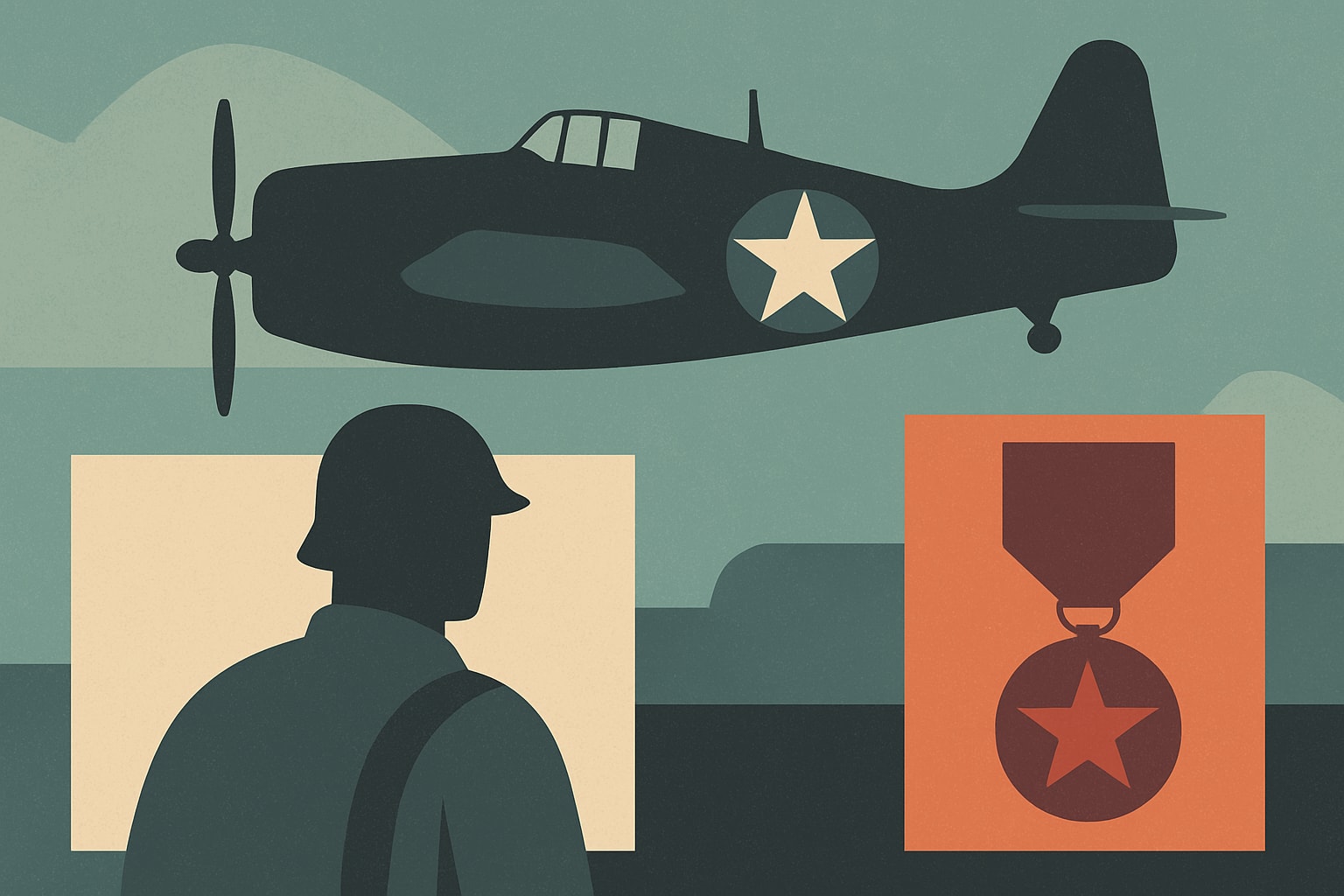
What's Happening
- •The F4F Wildcat was a primary fighter aircraft for the U.S. Navy during WWII.
- •Despite being outclassed by enemy fighters, it achieved significant success in combat.
- •The Wildcat was known for its ruggedness and ability to absorb damage.
Why It Matters
Understanding the F4F Wildcat's role in WWII provides insight into the evolution of military aviation and the strategies employed during the conflict. For veterans and military history enthusiasts, the Wildcat symbolizes resilience and adaptability in the face of overwhelming odds.
What Changes Now
- •There are no immediate changes to military operations regarding the F4F Wildcat, as it is no longer in service. However, its legacy continues to inform current aviation practices and strategies.
- •Military historians and aviation enthusiasts may see renewed interest in the Wildcat due to its historical significance. This could lead to more educational programs and exhibits highlighting its contributions.
- •Veterans and active service members may engage in discussions about the Wildcat's impact on modern aviation. This could foster a deeper appreciation for the aircraft's role in shaping military tactics.
What to Watch
- •Watch for upcoming documentaries or publications focusing on WWII aircraft. These may highlight the Wildcat's contributions and provide new insights into its operational history.
- •Keep an eye on military history events or airshows featuring vintage aircraft. These events often celebrate the legacy of fighters like the F4F Wildcat.
- •Monitor discussions in military forums about the evolution of fighter aircraft. The Wildcat's design and performance may serve as a reference point for current and future military aviation strategies.
Get the Daily Briefing
Military and veteran news that actually affects you, in your inbox each morning.
More Context
- •The Role of the F4F Wildcat in WWII: The F4F Wildcat served as the backbone of the U.S. Navy's fighter forces during the early years of World War II. Its design prioritized durability and ease of production, allowing it to be mass-produced quickly. While it was often outmatched by faster and more advanced enemy aircraft, the Wildcat's ability to take damage and keep flying made it a reliable choice for pilots. The aircraft's performance in critical battles, such as the Battle of Midway, showcased its importance in achieving air superiority.
- •Technical Specifications and Innovations: The F4F Wildcat was powered by a Pratt & Whitney R-1830 Twin Wasp engine, providing it with a maximum speed of around 340 mph. Its armament typically included four .50 caliber machine guns, which were effective against enemy aircraft. The Wildcat's design also featured a unique folding wing mechanism, allowing for more efficient storage on aircraft carriers. Innovations in its production helped streamline manufacturing processes, ensuring that the fleet received the necessary aircraft to maintain operational readiness.
- •Legacy and Impact on Military Aviation: The legacy of the F4F Wildcat extends beyond its operational history in WWII. It demonstrated the importance of adaptability in military aviation, influencing future aircraft designs. The Wildcat's ability to perform under pressure and its contributions to naval tactics laid the groundwork for subsequent fighter aircraft. Today, it is remembered not only for its service but also for the lessons learned in aircraft design and combat strategy.
Frequently Asked Questions
What was the F4F Wildcat used for?
The F4F Wildcat was primarily used as a fighter aircraft for the U.S. Navy during WWII, engaging in air-to-air combat and protecting naval fleets.
How did the Wildcat compare to enemy fighters?
While often outclassed by faster enemy fighters, the Wildcat's ruggedness and ability to absorb damage allowed it to remain effective in combat.
What innovations were introduced with the F4F Wildcat?
The Wildcat featured a folding wing design for efficient storage on aircraft carriers and was powered by a reliable Pratt & Whitney engine.
Veteran Take
For those who've served, the story of the F4F Wildcat resonates deeply. It's a reminder that success in combat often comes from grit and determination, not just superior technology. Veterans navigating this legacy can appreciate how the Wildcat's adaptability reflects the spirit we carry with us, facing challenges head-on regardless of the odds stacked against us.
The Daily Briefing
Military & veteran news that actually affects you — delivered every morning.
- Pay, benefits & policy changes
- Pentagon decisions that matter
- VA updates for veterans & families
- One email. No spam. Unsubscribe anytime.
Related Stories
- Troops Will Get a Day Off to Vote or Register for November Elections— Task & Purpose
- Travis Metz to Lead DIU as Owen West Takes Leave for AutoWarCom— DefenseScoop
- Air Force Identifies Body Found in Burned Vehicle on Eglin AFB— Military.com
- Marines Search for Next Parris Island Mascot with Genetic Tolerance— Military Times