Army Seeks New Drone to Address Reconnaissance and Security Gaps
The Army is pushing for a new unmanned aerial system to enhance battalion-level reconnaissance and security capabilities.
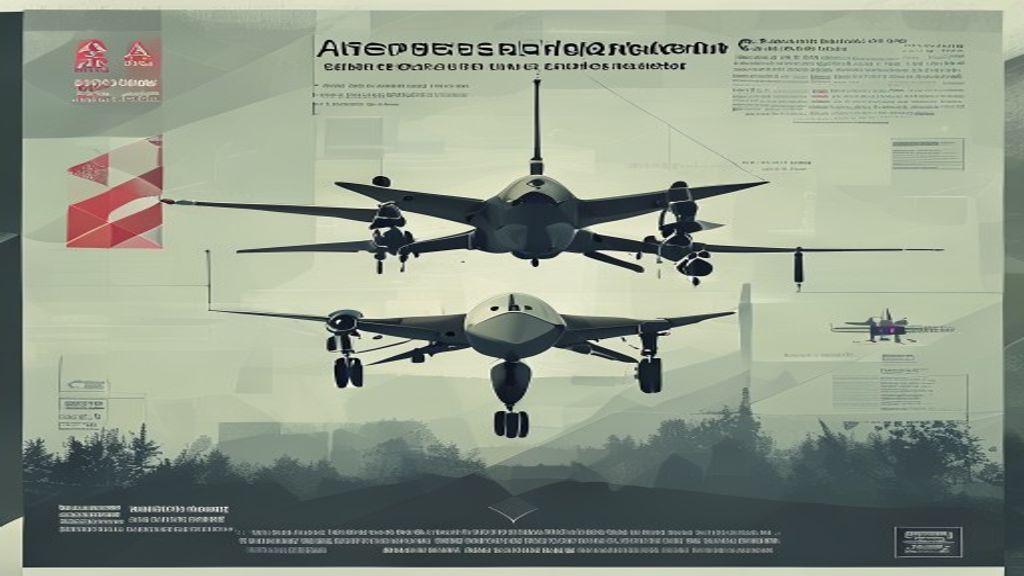
What's Happening
- •The Army is pursuing a new unmanned aerial system for battalion commanders.
- •The proposed drone will have vertical takeoff capabilities and a range exceeding 40 kilometers.
- •This initiative is part of a broader effort to enhance reconnaissance and security for tactical units.
Why It Matters
The introduction of a new drone for battalion use is a crucial step in enhancing the Army's tactical capabilities. As military operations become more complex, having advanced reconnaissance tools will significantly impact mission success and troop safety.
What Changes Now
- •The Army is initiating the development of a new unmanned aerial system for battalions. This change aims to enhance reconnaissance and situational awareness for commanders in the field.
- •The proposed drone will have the capability to take off vertically and cover over 40 kilometers. This will allow for greater operational flexibility and reach in various terrains.
- •Battalion commanders will soon have access to organic reconnaissance capabilities. This shift will empower them to make more informed decisions based on real-time intelligence.
What to Watch
- •Watch for updates on the development timeline of the new drone. Key stakeholders will be monitoring progress to ensure it meets operational needs.
- •The Army will release further details on budget allocations for this initiative. Financial support will be critical for successful development and deployment.
- •Training programs for personnel on the new drone will be established. Effective training will be essential for maximizing the drone's operational potential.
Get the Daily Briefing
Military and veteran news that actually affects you, in your inbox each morning.
More Context
- •Overview of the New Drone Initiative: The U.S. Army is actively seeking to develop a new unmanned aerial system (UAS) specifically designed for battalion-level operations. This drone aims to provide commanders with immediate reconnaissance capabilities, allowing for better situational awareness on the battlefield. With the ability to take off vertically, the drone is expected to navigate challenging terrains and reach distances greater than 40 kilometers, significantly enhancing the operational reach of ground forces.
- •Importance of Reconnaissance in Modern Warfare: In contemporary military operations, the need for effective reconnaissance has never been more critical. As threats evolve, battalions require advanced tools to gather intelligence and maintain security. The introduction of this new drone is expected to fill existing gaps in reconnaissance capabilities, enabling units to respond more effectively to dynamic battlefield conditions and potential threats.
- •Implications for Battalion Commanders: For battalion commanders, having direct access to an organic UAS represents a significant shift in operational capability. This drone will empower leaders to make informed decisions based on real-time data, improving mission planning and execution. The integration of this technology into battalion operations will likely enhance overall force readiness and effectiveness in various combat scenarios.
- •Future Developments and Considerations: As the Army moves forward with this initiative, several factors will influence the successful deployment of the new drone. Key considerations include the timeline for development, budget allocations, and the training required for personnel to operate this technology effectively. Stakeholders will need to monitor the progress of this project closely to ensure it meets the evolving needs of the Army.
Veteran Take
For those who've served, the advancement of drone technology represents a significant leap in operational effectiveness. Enhanced reconnaissance tools can mean the difference between life and death in complex environments, allowing troops to gather vital intelligence without putting themselves in harm's way. As we reflect on our experiences, it's clear that investing in these systems is not just about keeping up with modern warfare; it's about ensuring the safety and success of our men and women in uniform.
The Daily Briefing
Military & veteran news that actually affects you — delivered every morning.
- Pay, benefits & policy changes
- Pentagon decisions that matter
- VA updates for veterans & families
- One email. No spam. Unsubscribe anytime.
Related Stories
- U.S. Army Confirms 19th Service Member Death in Iran Conflict— Military Times
- Collaborative Combat Aircraft Production Set to Increase Amid 2027 Budget Uncertainty— Air & Space Forces Magazine
- Africom Establishes New Defense Economics Office to Enhance Security— DefenseScoop
- Air Force Considers New F-16s to Address Fighter Fleet Shortfalls— Air & Space Forces Magazine