D-Day Success Relied Heavily on Weather Forecasts
The success of D-Day hinged on accurate weather predictions, showcasing the critical role of meteorology in military operations.
What's Happening
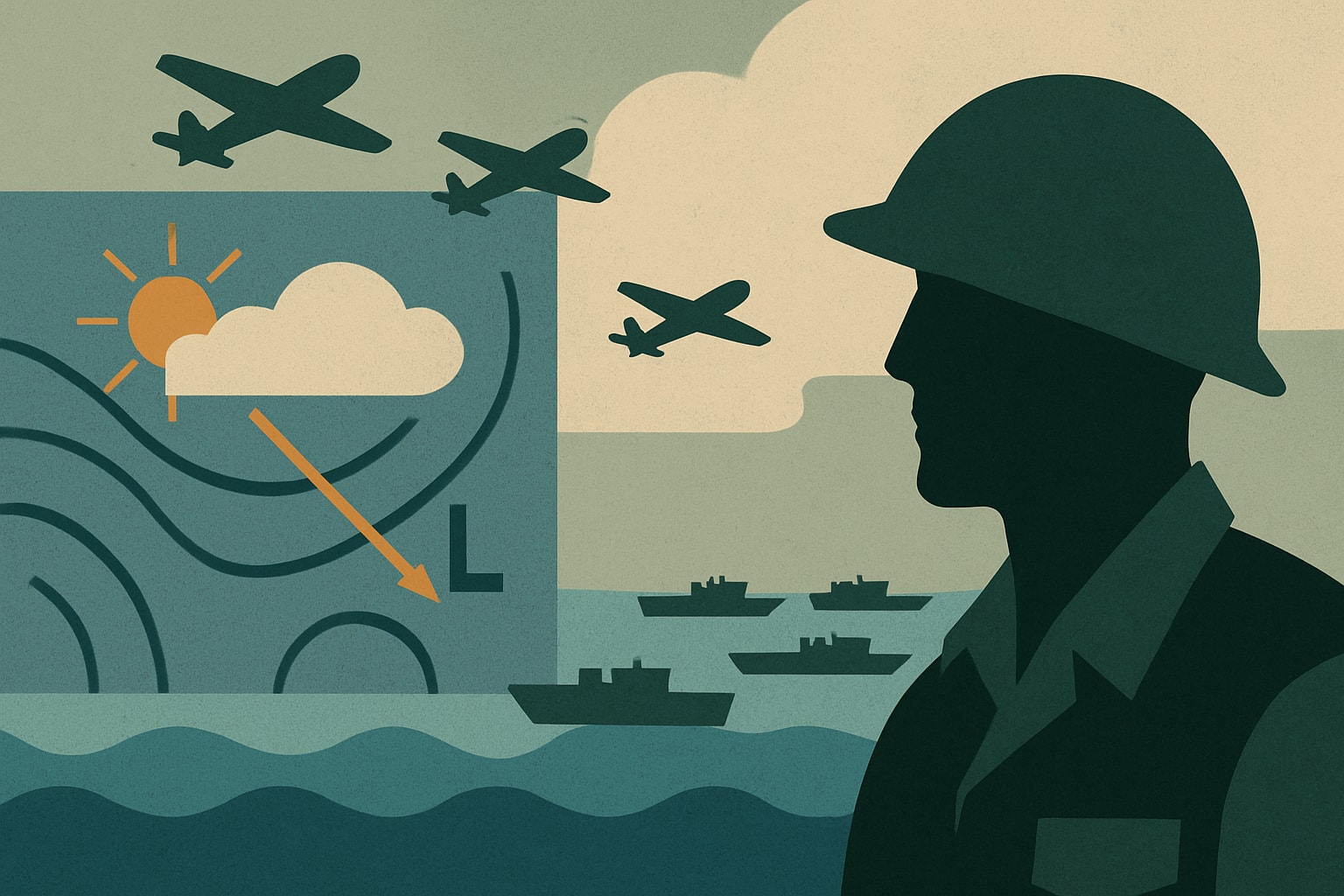
- •The film 'Pressure' portrays Eisenhower's dilemma before the D-Day invasion.
- •Weather forecasts played a pivotal role in determining the invasion date.
- •The success of the operation depended on favorable weather conditions.
Why It Matters
The D-Day invasion serves as a historical example of how weather can dictate military success. For service members and veterans, understanding these dynamics is essential for appreciating the complexities of military operations and planning.
What Changes Now
- •Military operations will continue to emphasize the importance of weather forecasting. This ensures that all branches are prepared for the challenges posed by unpredictable weather conditions.
- •Training programs will incorporate lessons from historical events like D-Day. This will help service members understand the critical role of meteorology in operational planning.
- •Veterans can engage in discussions about military history and its relevance in modern contexts. This fosters a sense of community and shared knowledge among service members.
What to Watch
- •Upcoming military training exercises will incorporate weather assessments into planning. This will be monitored by commanders to ensure operational readiness.
- •The release of new meteorological technologies for military use is on the horizon. These advancements could significantly improve decision-making in future operations.
- •Historical analyses of D-Day will continue to be published, providing insights into its impact on modern military strategy.
Get the Daily Briefing
Military and veteran news that actually affects you, in your inbox each morning.
More Context
- •The Importance of Weather in Military Operations: Weather has always been a critical factor in military planning. For operations like D-Day, accurate forecasts were essential to ensure troops could land safely and effectively. The decision to proceed with the invasion was contingent upon a brief window of good weather, highlighting how meteorological assessments can dictate the success of large-scale military actions.
- •Eisenhower's Decision-Making Under Pressure: General Dwight D. Eisenhower faced immense pressure as he weighed the risks of launching the invasion against the potential consequences of delaying it. The film 'Pressure' captures this tension, illustrating how Eisenhower's reliance on weather reports was not just a logistical concern but a matter of life and death for thousands of soldiers. His decision ultimately changed the course of history.
- •Lessons for Modern Military Operations: The lessons learned from D-Day continue to resonate in today's military operations. Modern forces must integrate advanced meteorological data into their planning processes, ensuring that they are prepared for the unpredictable nature of weather. This integration is crucial for all branches, from Active-duty Army infantry to Navy aviation units, as they conduct operations in diverse environments.
- •Implications for Service Members and Veterans: Understanding the historical significance of weather in military operations can provide valuable insights for current service members and veterans. Those in combat arms roles, such as infantry and artillery, must appreciate how weather can impact mission success. Moreover, veterans can share these lessons with younger generations, fostering a deeper understanding of military history and its relevance today.
Frequently Asked Questions
Does this affect Guard members on Title 10 orders?
Yes, weather considerations are crucial for all service members, including those in the National Guard on Title 10 orders, as they may be deployed in adverse conditions.
Will my unit receive training on weather impacts during operations?
Yes, units are increasingly incorporating weather training into their operational readiness programs to prepare for various environmental challenges.
Veteran Take
For those who've served, the importance of weather in military operations is not just a historical lesson; it's a reality we faced in our own deployments. Understanding how external factors like weather can impact mission success is crucial, and it highlights the need for adaptability and thorough planning. As we reflect on D-Day, we recognize that every decision, from the highest command to the boots on the ground, can hinge on something as unpredictable as the weather.
The Daily Briefing
Military & veteran news that actually affects you — delivered every morning.
- Pay, benefits & policy changes
- Pentagon decisions that matter
- VA updates for veterans & families
- One email. No spam. Unsubscribe anytime.
Related Stories
- Marine Arrested on Suspicion of Killing a Japanese Woman in Okinawa— Task & Purpose
- Yemeni Government Launches Major Offensive Against Iran-Backed Houthis— Defense News
- Marines Deploy to Baltic Sea to Safeguard Undersea Infrastructure— Marine Corps Times
- Navy Establishes New Four-Star Command for Autonomous Warfare— Navy Times